

Ever wondered why you can buy a cup of coffee for $3 in New York, but the same latte might cost the equivalent of $1.50 in Mumbai? Or why economists argue that GDP should be adjusted when comparing countries?
The answer lies in a powerful economic idea: purchasing power parity. This concept is far more than textbook jargon—it’s a lens that lets us peer into the cost of living, the real strength of currencies, and even the value of entire economies.
Let’s break down what purchasing power parity means, how it’s calculated, and why it matters for everything from global trade to your next vacation.
- What is Purchasing Power Parity, really?
- The law of one price
- How Purchasing Power Parity is calculated
- Absolute vs. Relative PPP: Two flavors
- PPP vs. Market exchange rates: Why they don’t always match
- Why PPP matters: From GDP comparisons to your wallet
- Real-World Examples of Purchasing Power Parity
- The limitations of Purchasing Power Parity
- In a Nutshell: Why should students care about PPP?
- FAQs
What is Purchasing Power Parity, really?
Purchasing power parity (PPP) is a theory and measurement tool economists use to compare how far money stretches in different countries. In plain English, it helps answer: How much stuff can I actually buy with my currency here versus somewhere else?
The central idea is that, once you account for exchange rates, the cost to buy a “basket of goods” should be basically the same everywhere. If it isn’t, that signals a difference in purchasing power—and possibly an over- or undervalued currency.
The law of one price
PPP is rooted in the law of one price, which states that identical goods should cost the same worldwide when expressed in a common currency, assuming no transportation costs, taxes, or trade barriers. While real life is messier, PPP uses this idea as a guiding principle.
How Purchasing Power Parity is calculated
PPP tries to equalize the “price tags” of goods and services across borders. Here’s how the economists crunch the numbers:
PPP Formula:
S=P1P2S=P2P1
where
SS = PPP exchange rate (currency 1 to currency 2)
P1P1 = Price of a specific good (or basket) in currency 1
P2P2 = Price of that good (or basket) in currency 2
Example:
Suppose a burger costs $4 in the US and £2 in the UK.
The PPP exchange rate should be $4/£2 = $2/£1.
If the actual exchange rate is $1.25/£1, buying the burger in the UK is a better deal for Americans, indicating the pound is undervalued against the dollar by PPP standards.
Typically, economists use a whole “basket” of goods (everything from bread to smartphones) to average things out and avoid errors from special cases.
Absolute vs. Relative PPP: Two flavors
PPP isn’t just a single formula:
Absolute PPP claims a basket of goods should always cost the same globally (after currency conversion). It’s a clear, simple version—but rarely true due to real-world frictions like shipping costs, taxes, and market quirks.
Relative PPP focuses on the change in price levels over time (inflation). If US prices rise 2% and UK prices rise 1%, relative PPP predicts the dollar should depreciate by about 1% against the pound to keep parity.
PPP vs. Market exchange rates: Why they don’t always match
The actual exchange rates you see in banks or on finance apps aren’t set by PPP. Market exchange rates are influenced by trading, speculation, interest rates, and geopolitical drama. This means market rates often differ—sometimes dramatically—from PPP rates.
PPP rates: Reflect “real world” costs—how much you can buy in practice.
Market rates: Reflect financial flows, speculation, and international demand for currencies.
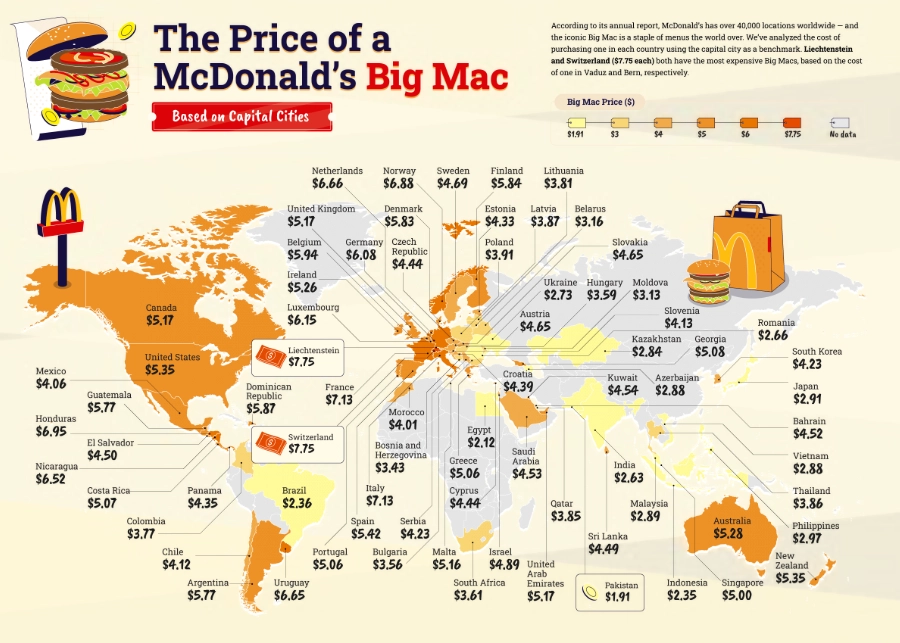
Example: The famous “Big Mac Index” published by The Economist uses burger prices to show just how much standard goods might cost in local currencies compared to the dollar, revealing which currencies are “cheap” or “expensive”.
For official PPP data, visit the World Bank: https://www.worldbank.org
Why PPP matters: From GDP comparisons to your wallet
PPP isn't just a theory—it has real-world relevance in several key areas:
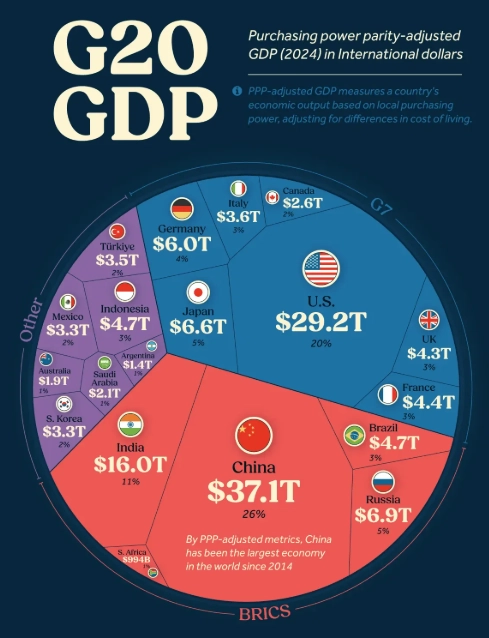
Comparing Living Standards: PPP helps compare economic productivity and living standards across countries. GDP measured using PPP-adjusted exchange rates (“GDP at PPP”) gives a more accurate picture than GDP at market rates. For example, China’s GDP looks much larger against the US when measured by PPP.
Poverty and Development: International bodies like the World Bank use PPP to measure global poverty. A poverty line set at $2 a day by PPP means the purchasing power to buy essentials, not just the equivalent in local currency.
Trade and Currency Valuation: Traders and economists watch PPP to spot currencies that might be over- or undervalued for the long haul, even if markets disagree in the short term.
Household Budgets: For travelers, multinational businesses, or anyone considering moving abroad, PPP provides a reality check on what your money is “really” worth.
Real-World Examples of Purchasing Power Parity
Let’s see how Purchasing Power Parity comes alive:
The Big Mac Index:
If a Big Mac costs $5 in New York but 15 yuan in Beijing, and the exchange rate is 7 yuan per dollar, then the “burger PPP exchange rate” is 3 yuan per dollar. Since the real rate is 7, the yuan is undervalued relative to the dollar by Big Mac standards.
Smartphones and Laptops:
A phone costing ₹3,000 in India and $40 in the USA (with a market rate of ₹75 = $1) should, by PPP, cost the same after conversion. If it doesn’t, it signals differences in purchasing power.
International Salaries:
A software developer paid $100,000 in Silicon Valley, and ₹20 lakh in Bangalore might actually enjoy a higher standard of living in India, despite the salary looking lower in dollar terms—PPP helps explain why.
The limitations of Purchasing Power Parity
PPP is a useful guide, but it’s not a perfect science. Here’s why:
Non-Tradeable Goods: Haircuts, rent, or local healthcare services vary wildly and can’t always be traded between countries, skewing PPP.
Taxes, Tariffs, and Transportation: These inflate prices in some countries, making “true parity” impossible.
Quality Differences: A smartphone might be cheaper in one country, but is it the same model with the same warranty and apps? Not always.
Market Barriers: Regulation, import bans, and other local rules may keep prices artificially high or low.
Short-Term Fluctuations: Market exchange rates move daily, while PPP is a long-term concept.
Despite its flaws, PPP offers a much better comparison of real wealth, wages, and living standards than using market exchange rates alone.
In a Nutshell: Why should students care about PPP?
Purchasing power parity lets you make sense of global prices, cross-country living standards, and even whether your vacation budget will stretch further in Paris or Prague. For economists and students alike, it’s a foundational concept revealing why face-value currency comparisons are often misleading.
When comparing countries’ wealth or your next shopping spree abroad, don’t just look at the price tag—think in PPP, and you’ll see the world in a whole new way.
FAQs
Q1: What is purchasing power parity (PPP)?
A: Purchasing power parity (PPP) is an economic theory and measurement that compares the currencies of different countries by looking at the price of a specific basket of goods and services. The core idea is that identical goods should have the same price when expressed in a common currency, allowing comparisons of economic productivity and living standards between countries.
Q2: How is PPP calculated?
A: PPP is calculated by dividing the price of a selected basket of goods in one country by the price of the same basket in another country. The resulting figure gives the exchange rate at which the two currencies would buy the same goods, known as the PPP exchange rate.
Q3: Why do economists use PPP instead of regular exchange rates to compare economies?
A: PPP-adjusted comparisons are less volatile than exchange rates on the foreign currency market and better reflect real differences in living costs and purchasing power. This makes PPP more suitable for international comparisons of GDP and living standards.
Q4: What is the difference between absolute and relative PPP?
A: Absolute PPP suggests that the price levels of a basket of goods should be the same internationally once currencies are exchanged. Relative PPP, meanwhile, accounts for differences in inflation and predicts how exchange rates should change over time given differences in price levels between countries.
Q5: Why does PPP sometimes differ from the market exchange rate?
A: PPP can differ from market rates due to transaction costs, tariffs, taxes, non-tradable goods, labor cost differences, and speculation in currency markets. Other factors like transportation costs and government intervention also contribute to differences.
Q6: How is PPP used in the real world?
A: Institutions like the World Bank and IMF use PPP to compare GDP, economic productivity, and poverty levels between countries. Traders and economists also track PPP to assess if a currency is over- or undervalued for long-term investment or forecasting.
Q7: What are some common examples of PPP in action?
A: A well-known example is The Economist’s “Big Mac Index,” which compares the price of a McDonald’s Big Mac across countries to see if currencies are properly valued. If a Big Mac is much cheaper in one country after currency conversion, that currency may be undervalued.
Q8: What are the limitations of PPP?
A: PPP does not perfectly reflect reality because it ignores varying local costs, product quality differences, taxes, and trade barriers. Not all goods are easily tradable, and some products might not even be available in all countries, leading to measurement challenges.
Q9: How often are PPP comparisons updated?
A: PPPs are regularly updated, often by international bodies like the OECD and Eurostat, using extensive price surveys to keep comparisons current and representative.
Q10: How can PPP affect my travel or business abroad?
A: Understanding PPP can help you determine how far your money will go when traveling or making international business decisions, as it reflects the true cost of living and goods in different countries


Comments