


For AP History students, the DBQ (Document-Based Question) stands out as one of the most challenging and rewarding tasks on the exam. It’s not just about what you know — it’s about how you think; like a historian, methodically analyze sources, and craft a coherent, evidence-based argument.
This comprehensive blog walks you through the DBQ process, explains key requirements, gives expert tips, and highlights common pitfalls — so you can enter test day with confidence.
What is a DBQ, and why does it matter?
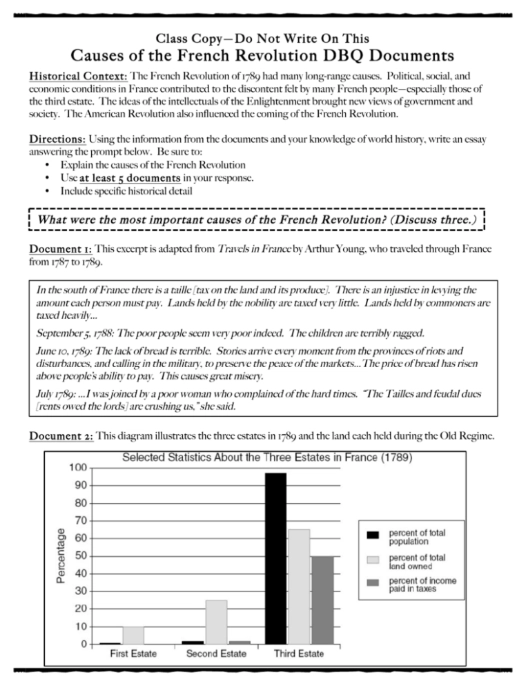
A DBQ asks you to write a persuasive essay using a set of historical documents (typically 5–7) plus your own knowledge.

Rather than simply reciting facts, you must:
Analyze primary sources, including speeches, legal documents, images, statistics, and letters.
Develop a thesis: a defensible position directly addressing the prompt.
Build an argument: using both the provided documents and what you’ve learned in class.
Write under time constraints: typically within 60 minutes, including planning, outlining, and writing.
DBQs are cornerstone skills for AP U.S. History (APUSH), AP World History, and AP European History. Mastering them teaches critical thinking, analytical reading, and historical argumentation — all coveted skills in college and beyond.
So how exactly do we do it?
Step 1: Dissect the prompt and set anchor points
Before you touch a document, carefully read the prompt. Underline or annotate:
The time period — don’t just know the century, write the full years (e.g., “1865–1898”, not “19th century”).
Key terms and tasks — are you asked to “evaluate,” “analyze causes,” “compare,” or “to what extent” something happened?
Categories — if the prompt wants a discussion of political and economic factors, don’t focus only on one.
Be certain you are responding to the exact historical window and scope specified. Getting these wrong means losing points, no matter how good your essay.
Step 2: The 10-minute plan — organize before you write
A winning DBQ isn’t spontaneous. AP recommends 10–15 minutes solely for thinking and planning:
Scan all the documents quickly for main topics, points of view, and time frames.
Jot down outside knowledge — facts, names, events, or trends related to the prompt not found in the documents (for extra evidence points).
Sketch your database or T-chart: Organize evidence into categories (social, political, economic, etc.), noting which documents fit each.
Tip: Create a rough outline on scrap paper with space for thesis, topic sentences, and where each document/idea will be used.
Step 3: Analyze and annotate the documents
Actively annotate each document — don’t just read it.
Summarize the main idea.
Source analysis: Who created it? When and why? Who was the intended audience? What biases might exist?
Tag connections: Which documents support or contradict each other? Which link to your outside knowledge?
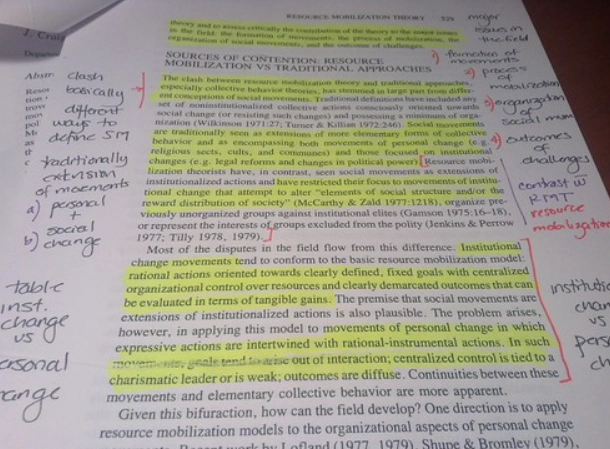
Remember, AP graders want analysis, not summary. Go beyond the surface — think about significance, context, and purpose.
Step 4: Craft a powerful thesis statement
Your thesis is the backbone of your DBQ. It must:
Directly respond to the question.
Establish a line of reasoning — a “roadmap” showing where your argument will go.
Be defensible — clear, specific, and not vague
Example of a poor thesis:
“Industrialization changed America in many ways.”
Example of strong thesis:
“Between 1865 and 1900, industrialization fundamentally altered American society by expanding economic opportunity for immigrants and women while simultaneously exacerbating urban poverty and labor unrest.”
Tips for thesis perfection:
Stick to one or two sentences — clarity trumps cleverness.
Avoid “laundry lists” of unrelated facts; show you understand connections.
Address all required categories in the prompt (if multiple aspects are asked for)
Step 5: Write a focused introduction
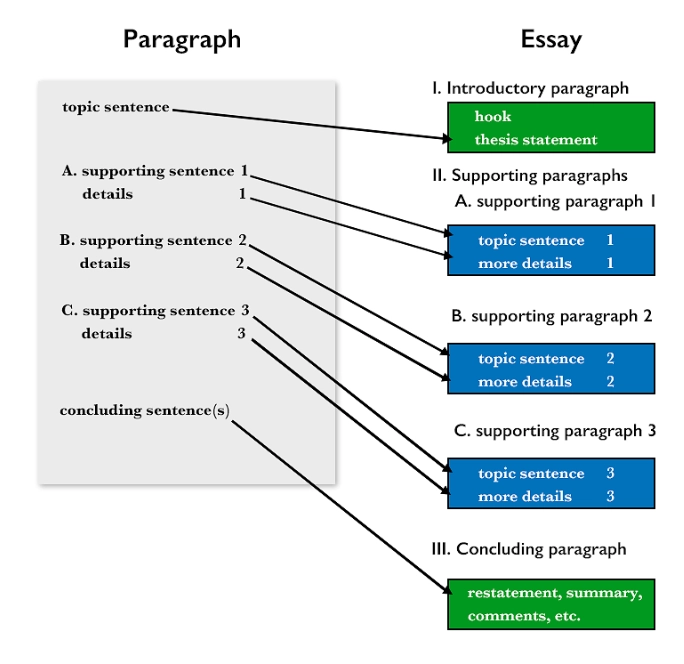
Begin with a brief context (1–2 sentences): Set the historical stage, e.g., “After the Civil War, rapid industrialization transformed the U.S. economy and social landscape.”
Include your thesis as the last sentence.
Avoid unnecessary generalizations (“Throughout history…”).
Step 6: Develop strong body paragraphs
Each paragraph should start with a topic sentence that supports your thesis. Then:
Weave in evidence from documents: Reference the document specifically (“According to the 1887 cartoon by Thomas Nast, Document 3…”) and then analyze — don’t just quote.
State what the document shows.
Link it directly to your argument.t
Incorporate outside knowledge: Drop in facts/events/examples that go beyond the provided documents. Explain their connection to your thesis.
“Another example of labor unrest was the Great Railroad Strike of 1877, which, although not described in the documents, illustrates widespread social tension during this era.”
Include point-of-view analysis: Why did the author create this document? What biases or goals did they have? How does their position impact their perspective?
Work in complexity: Address conflicting evidence or perspectives when possible. Acknowledge limitations, exceptions, or counterarguments, showing deeper understanding.
Step 7: Synthesize and conclude
Your conclusion must:
Restate your thesis clearly and succinctly (in fresh wording).
Summarize your main points or categories (“Industrialization created opportunity while compounding hardship — as the expansion of factory jobs attracted immigrants but also fueled unrest…”).
Optional: Synthesize by explaining broader implications — how does this topic relate to other time periods or global patterns? (For the “Complexity Point,” tie to the larger context where possible).
Step 8: Revise and proofread
If time allows, skim your essay for glaring issues:
Did you address every part of the prompt?
Did you analyze (not just quote or summarize) the documents?
Is your thesis direct and consistent throughout?
Check for grammatical or spelling errors; unpolished writing can lower your score.
And.. Voila!
DBQ success checklist
Clear, defensible thesis
Effective use of all or most documents (usually 6–7; at least 3 needed for passable scores)
Explicit sourcing: Who, why, audience, context for at least 3–4 documents
Outside evidence: Used at least once, preferably more
Analysis and complexity: Go beyond the basics, show the “why/how.”
Structure and coherence: Logical paragraphs with clear topic sentences and transitions
Common DBQ pitfalls (and how to avoid them)
Vagueness: Generic statements or unsupported claims kill your argument. Always back up your points.
Ignoring the prompt scope: Answer the exact question (right dates, right themes); otherwise, no credit for off-topic writing.
Narrative instead of argument: Don’t tell a story — make a case and persuade.
Only summarizing documents: AP expects analysis — explain how and why documents support your thesis.
Lack of outside knowledge: Earn top scores by showing depth beyond the documents.
Missing points of view: You must show you understand why authors might have particular perspectives.
Too little planning: A rushed essay will show; outline first to stay focused.
Not proofing work: Silly errors (dates, spellings, names) detract from your professionalism.
Top expert tips for your next DBQ

Stay organized: Tackle one category at a time; don’t let your essay sprawl.
Reference documents by content, not just “Doc 1,” for clarity (“the 1914 letter by labor leader Samuel Gompers…”).
Aim for a “Yes, but…” approach when addressing counterarguments, as this demonstrates complex understanding.
Practice under timed conditions: Simulate the test to train your pace and stamina.
Mark up the prompt and documents for essential info; visual cues help under pressure.
Keep your writing clear and concise: Fancy prose doesn’t score extra points; strong analysis does.
FAQs: DBQ Edition
Q: How many documents should I use?
Aim to use all provided documents, but you must directly reference and analyze at least 6–7 for maximum points.
Q: What kind of outside evidence counts?
Concrete facts, names, or events not found in the documents. These should be integrated seamlessly into your argument, not tacked on.
Q: How do I analyze point of view?
Consider the author’s background, intent, audience, and position. Why might they depict an event a certain way? What do they hope to achieve?
Q: Can I disagree with a document?
Absolutely — if it’s relevant. Address contradictions or biases to demonstrate advanced analysis.
Final Thoughts
DBQ mastery is about combining strategy with historical thinking. By planning carefully, analyzing sources deeply, building a clear argument, and incorporating outside knowledge, you’ll be able to write A-level DBQ essays for any AP History exam.
Unlock your inner historian — and remember: Practice makes permanent. Good luck!


Comments