

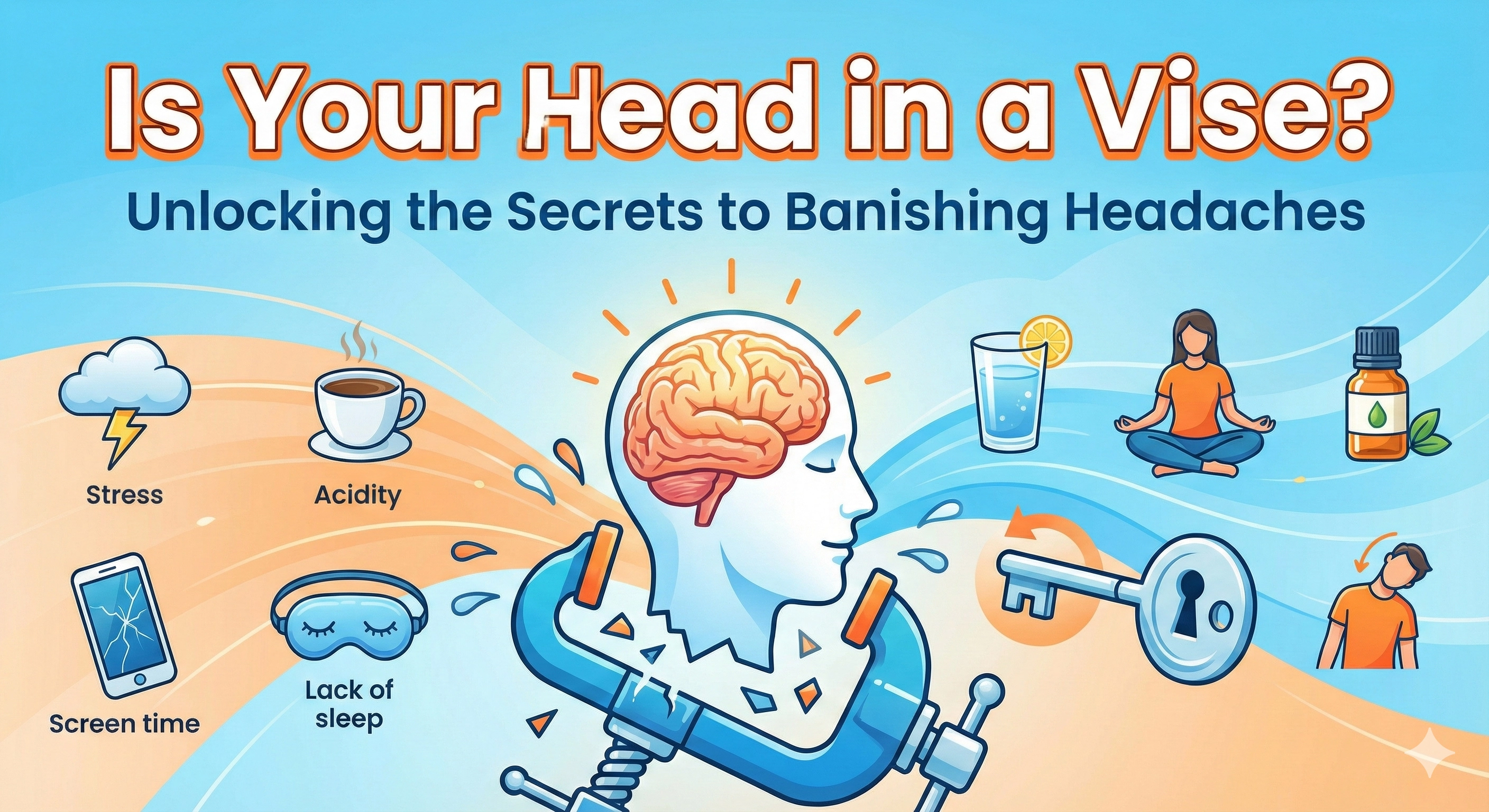
Headaches have a special talent for showing up at the worst possible moments. Right when you need to focus, celebrate, sleep or simply function like a decent human, your skull suddenly decides to host a drum festival. The good news is that most headaches have understandable triggers and manageable solutions. Learning how to recognise what your body is signaling can help you prevent that “head-in-a-vise” feeling before it ruins your day.
- What Causes Headaches in the First Place?
- 1. Tension Headaches
- 2. Migraine Headaches
- 3. Dehydration Headaches
- 4. Cluster Headaches
- Habits That Make Headaches Worse
- How to Banish Headaches Before They Take Over
- Home Remedies That Actually Help
- Final Thoughts
- FAQs About Headaches
- 1. What causes headaches?
- 2. How can I get quick relief from a headache?
- 3. When should I worry about a headache?
- 4. Can dehydration really cause headaches?
- 5. Do screens make headaches worse?
- 6. Are headaches connected to stress?
- 7. Can certain foods trigger headaches?
- 8. How can I prevent headaches?
- 9. Are migraines the same as headaches?
- 10. Should I see a doctor for frequent headaches?
What Causes Headaches in the First Place?
Headaches aren’t one-size-fits-all. Different types come with different causes, and understanding them is the first step toward relief.
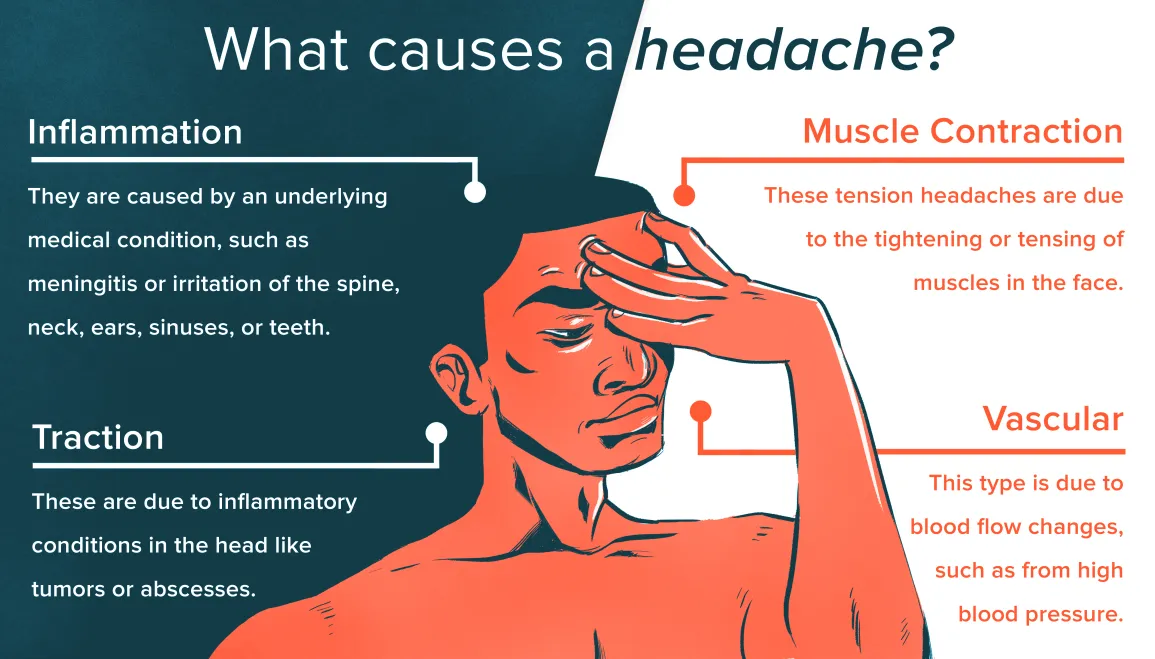
1. Tension Headaches
These are the overachievers of the headache world and the most common type. They often stem from:
Stress
Poor posture
Eye strain
Long hours at screens
They create a dull, tight, band-like pressure around the forehead or temples.
2. Migraine Headaches
Migraines are intense, throbbing and often life-disrupting. They may be triggered by:
Hormonal shifts
Certain foods
Bright lights or loud sounds
Weather changes
Stress
Migraines may also come with nausea, aura or dizziness.
3. Dehydration Headaches
When your body is running low on water, your brain can actually shrink slightly away from the skull. It sounds dramatic, but the fix is simple: hydration.
4. Cluster Headaches
Thankfully rare, these come in cycles and cause severe pain around one eye. They require medical support to manage effectively.
Habits That Make Headaches Worse
Headaches are annoying enough on their own, but what makes them even trickier is how easily everyday habits can intensify them without us even noticing. Most people assume headaches appear suddenly or for no reason, yet many of the patterns that trigger or worsen them are woven into daily routines. Once you understand these hidden culprits, you can make simple adjustments that significantly reduce the frequency and severity of your headaches. Below are some of the most common lifestyle habits that unintentionally contribute to head pain, along with why they matter more than most people realize.
1. Skipping Meals
Skipping meals might feel harmless or even productive when you are busy, but your brain strongly disagrees. It relies on a steady supply of glucose to function properly. When blood sugar levels drop, your brain responds with symptoms like irritability, dizziness and, of course, headaches. Hunger-induced headaches often feel like a dull, tightening pressure that grows more intense the longer you go without eating.
People who frequently skip breakfast or delay meals due to busy schedules are especially prone to headache patterns. Eating small, balanced meals at consistent times throughout the day stabilizes your blood sugar, keeping your brain properly fueled and reducing your chances of triggering a headache. It doesn’t have to be a full spread; even quick, nutritious snacks like fruit, nuts or yogurt can prevent that energy crash.
2. Excess Caffeine or Sudden Withdrawal
Caffeine is a confusing friend. In small amounts, it can actually help relieve headaches by narrowing blood vessels and improving alertness. The problem appears when you rely on it too heavily or consume it in large, irregular amounts. Too much caffeine overstimulates the nervous system, increasing your chances of developing headaches or migraines.
On the flip side, stopping caffeine abruptly can be just as painful. When your body becomes accustomed to daily caffeine, missing your usual dose causes withdrawal symptoms, including pounding headaches, irritability and fatigue. This is why some people experience headaches over weekends or holidays when their routine changes.
The goal is consistency. Limit caffeine to moderate amounts and try to consume it around the same time each day. If you plan to cut back, do it gradually rather than suddenly to avoid withdrawal-related pain.

3. Poor Sleep
Sleep acts as the brain’s most powerful reset button. When you don’t get enough rest, or when the quality of your sleep is poor, your nervous system becomes more sensitive and reactive. This heightened sensitivity makes you more prone to headaches during the day.
Poor sleep habits include irregular sleep schedules, late-night screen use, restless nights and long periods of staying awake. These patterns disrupt your natural sleep-wake cycle, which affects hormone regulation and increases stress levels, both of which are closely linked to headache frequency.
Aim for consistent sleep times, a relaxing nighttime routine and a sleep environment that supports deep rest. Even small changes, like dimming the lights before bed or avoiding heavy meals at night, can improve your sleep quality and lower headache risk.
4. Slouching Over Devices
Your posture has a direct connection to your head. Slouching over a laptop, bending your neck downward to look at your phone or hunching your shoulders while working places significant strain on the muscles in your neck and upper back. These muscles tense up and create pressure that radiates upward, eventually turning into tension headaches.
This habit is so common that "tech neck" has become a recognized issue worldwide. The constant forward tilt of the head puts extra weight on your spine, and over time this leads to chronic discomfort and regular headaches.
Correcting your posture doesn’t require drastic effort. Keep devices at eye level, relax your shoulders, sit with your back supported and take breaks every 20 to 30 minutes to stretch. These small actions release tension and prevent strain from building up.
5. Not Drinking Enough Water
Dehydration might seem mild, but it’s one of the sneakiest headache triggers. When the body lacks enough water, the brain temporarily contracts from fluid loss, creating pressure against the skull. This leads to a dehydration headache, often felt as a throbbing or pulsing pain.
Many people mistake thirst for hunger, tiredness or simple irritability, so they don’t realize they’re dehydrated until the headache sets in. Drinking water consistently throughout the day is key. Instead of waiting to feel thirsty, keep a bottle near you and sip regularly. Hydrated muscles and tissues function better and are less prone to tension and pain.
6. Letting Stress Go Unmanaged
Stress is one of the biggest contributors to headaches. Emotional tension leads to physical tension, especially in the neck, shoulders and head. When stress continues unchecked, these tight muscles stay contracted for long periods, eventually resulting in tension headaches or migraines.
Stress also disrupts sleep, appetite, hormones and energy levels, all of which further contribute to headache cycles. Recognizing stress early and managing it through calming techniques makes a huge difference. Activities like deep breathing, stretching, journaling, walking or simply taking short breaks throughout the day help relax the body and prevent tension from snowballing into pain.
How to Banish Headaches Before They Take Over
Headaches have a sneaky way of slipping into your day and hijacking your mood, your productivity and sometimes even your sanity. While an occasional headache might just be an inconvenience, frequent or intense ones can disrupt everything from work to sleep. The good news is that most everyday headaches are manageable, and a few intentional lifestyle changes can dramatically reduce their frequency and intensity. Here are some of the most effective strategies to stop headaches before they escalate into full-blown misery.
1. Hydrate Like It Matters
Hydration is one of the simplest and most underestimated tools for preventing headaches. When your body doesn’t get enough water, it affects blood volume and oxygen flow, which can trigger that familiar pressure behind your temples. Instead of waiting until you feel thirsty or already uncomfortable, make hydration a consistent habit throughout your day. Small, steady sips of water tend to work far better than gulping down a litre once the pain begins. Keeping a bottle nearby and monitoring your intake can go a long way in keeping headaches at bay.
2. Check Your Posture
Your posture has more influence on your head than most people realize. Slouching over a desk, bending your neck while scrolling through your phone or working long hours without adjusting your seating position all put strain on the muscles in your neck, shoulders and upper back. These muscles, when tense, can easily trigger tension headaches. Be mindful of your alignment. Keep screens at eye level, sit with your back supported and take short breaks to stretch and reset your posture. These tiny corrections can save you from hours of discomfort later.
3. Manage Screen Time
Screens are part of everyday life, but they’re also one of the biggest contributors to eye strain and headaches. Bright lights, tiny text and long periods of focus can overwork the eye muscles and lead to fatigue. Following the 20-20-20 rule offers a simple and highly effective way to reduce this strain: every 20 minutes, look at something 20 feet away for 20 seconds. This resets your eye muscles and prevents the buildup of tension that eventually manifests as pain. Adjusting screen brightness and avoiding glare can also help ease strain.
4. Prioritize Sleep
Sleep isn’t a luxury; it’s your brain’s nightly repair session. When you don’t get enough of it, your nervous system becomes more sensitive, making headaches more likely. Establishing a consistent sleep schedule, creating a calming bedtime routine and keeping your room dark and cool can significantly improve sleep quality. When your brain gets proper rest, it’s better equipped to handle stress, regulate hormones and keep pain pathways under control.
5. Stress-Proof Your Day
Stress is one of the most common headache triggers. Even when you feel like you're managing fine, your body might still be holding tension. Incorporating short, intentional relaxation techniques throughout your day can reduce emotional and physical stress. Deep breathing, light stretches, brisk walks or even a few minutes of quiet can make a noticeable difference. These moments calm the nervous system and prevent the slow buildup of tension that often erupts into a headache by evening.
6. Know Your Food Triggers
Certain foods and ingredients can activate headaches in some people. Chocolate, aged cheeses, red wine, caffeine fluctuations and artificial sweeteners are common culprits. The tricky part is that triggers vary from person to person. Paying attention to what you eat and keeping a simple food journal can help you identify patterns. Once you recognize your personal triggers, avoiding or moderating them becomes easier, and your headaches often become less frequent.
7. Don’t Ignore Chronic Pain
If headaches show up more often than not, or if the pain is severe, persistent or accompanied by other symptoms, it’s important not to brush it off. Chronic headaches can sometimes signal underlying conditions that need medical attention. Consulting a healthcare professional ensures you receive proper evaluation and guidance, rather than relying on temporary fixes.
Home Remedies That Actually Help
When a headache creeps in, most people reach immediately for medication, but there are several simple home remedies that can provide relief just as effectively, especially for mild to moderate discomfort. These methods work by relaxing tight muscles, calming the nervous system and reducing inflammation. They’re easy to use, accessible and often surprisingly effective. Here are some of the most reliable home remedies that can ease a headache naturally and help your body reset.
1. A Cold Compress on the Forehead
A cold compress is one of the quickest and most soothing remedies for headache relief. The cooling effect helps numb the area, reduce inflammation and slow down nerve signals that transmit pain. Cold therapy works particularly well for migraines or headaches that feel pulsing or throbbing.
You can use an ice pack, a chilled towel or even a cold gel pack. Place it on your forehead for about 10 to 15 minutes at a time, then take a short break before reapplying if needed. The gentle cooling provides a refreshing sensation that not only reduces the intensity of the headache but also helps calm your mind.
2. A Warm Compress on Tense Shoulders
While cold helps reduce inflammation, warmth is perfect for loosening tight muscles, especially in the neck and shoulders. Many headaches begin with muscle tension in these areas, then radiate upward into the head. A warm compress increases blood flow, relaxes stiff muscles and reduces the pressure that contributes to tension headaches.
A heating pad, warm towel or hot-water bottle placed on the shoulders or the back of the neck works wonderfully. Even a warm shower can have the same muscle-relaxing effect. As the tension melts away, the headache often eases naturally.
3. Gentle Neck Stretches
Movement may not sound appealing when your head hurts, but gentle stretching can do wonders. Tight neck muscles, poor posture and long hours of sitting can all contribute to headaches. Stretching improves blood circulation to the head and shoulders, releases stiffness and helps reset your posture.
Simple movements like slowly tilting your head from side to side, looking over each shoulder or doing circular shoulder rolls can bring relief within minutes. These stretches don’t require any equipment and can be done anywhere, making them a convenient and effective headache remedy.
4. Peppermint or Lavender Essential Oils
Aromatherapy has become a popular natural remedy for headaches because certain essential oils contain compounds that relax muscles and calm the mind. Peppermint oil is known for its cooling sensation and ability to reduce tension when applied to the temples or forehead. It promotes better circulation and eases the tightness associated with tension headaches.
Lavender oil, on the other hand, is deeply soothing and can reduce stress-related headaches. Inhaling the scent, using it in a diffuser or lightly massaging diluted oil onto the skin can help relax both the body and mind. Both oils are gentle, effective and pleasant to use.
5. A Quiet, Dark Room to Rest
Sometimes, the simplest remedy is also the most powerful: rest. Bright lights, loud noises and overstimulation can make headaches significantly worse. Retreating to a quiet, dimly lit or dark room gives your senses a break and allows your nervous system to settle.
This is especially helpful for migraines, which often increase sensitivity to sound and light. Lying down, closing your eyes and breathing deeply can decrease tension and give your brain the calm environment it needs to recover. Even a short period of rest can noticeably reduce the severity of a headache.
Final Thoughts
Headaches may be common, but they’re not something you’re meant to simply endure or dismiss as an unavoidable part of life. That persistent pressure, throbbing pain or tightening sensation is your body’s way of signaling that something needs attention. The reassuring truth is that many headaches can be reduced, managed or even prevented entirely with mindful adjustments to your daily routine.
Small lifestyle choices have a big impact on how your body feels. Staying hydrated gives your brain the fluid balance it needs to function smoothly. Maintaining proper posture prevents your neck and shoulder muscles from carrying unnecessary tension that often travels upward and turns into a headache. Getting consistent sleep supports your nervous system and helps your body recover from the stresses of the day. Even subtle shifts, like taking screen breaks or stretching for a few minutes, can create noticeable relief over time.
Awareness is the foundation of prevention. When you understand your personal triggers, you gain the power to avoid or manage them. For some, headaches stem from skipped meals or long work hours. For others, it might be certain foods, bright lights, emotional stress or dehydration. Paying attention to these patterns helps you adjust your habits before the pain begins, rather than after it has already interrupted your day.
That said, not every headache will behave predictably. Some come on suddenly, respond poorly to home remedies or grow more frequent than usual. When that happens, seeking professional guidance is not just helpful but necessary. A healthcare provider can assess whether your headaches have underlying causes that require medical treatment, and they can recommend strategies or therapies tailored to your specific needs.
Your head is not supposed to feel like it’s caught in a tightening grip. With awareness, consistency and early intervention, you can create an environment where your brain feels supported rather than strained. Take the signals your body gives you seriously, nurture the habits that promote clarity and comfort and prioritize your wellbeing. Your mind works hard for you every single day. It deserves care, attention and relief from unnecessary stress.
FAQs About Headaches
1. What causes headaches?
Headaches can pop up thanks to stress, dehydration, lack of sleep, eye strain, hormonal changes or even skipping meals. Basically, life loves chaos.
2. How can I get quick relief from a headache?
Hydrate, rest your eyes, use a cold or warm compress, stretch your neck and shoulders, or take doctor-recommended medication if needed.
3. When should I worry about a headache?
If it’s sudden, extremely severe, keeps returning, or comes with dizziness, vision changes, vomiting, or numbness, you need medical attention. No heroics.
4. Can dehydration really cause headaches?
Yes. Your brain hates being thirsty. Drink water like a responsible human.
5. Do screens make headaches worse?
Absolutely. Staring at your phone like it’s your soulmate can strain your eyes and trigger headaches.
6. Are headaches connected to stress?
Very much. Stress tightens muscles, messes with sleep, and basically invites headaches to party.
7. Can certain foods trigger headaches?
Yep. Common culprits include caffeine withdrawal, chocolate, overly salty food, alcohol, and processed snacks.
8. How can I prevent headaches?
Stay hydrated, sleep well, manage stress, avoid long screen time, eat regularly, and keep your posture from looking like a question mark.
9. Are migraines the same as headaches?
No. Migraines are next-level chaos featuring throbbing pain, nausea, light sensitivity, and sometimes aura.
10. Should I see a doctor for frequent headaches?
Yes. If headaches keep visiting like an unwanted problem, a doctor should definitely get involved.


Comments