

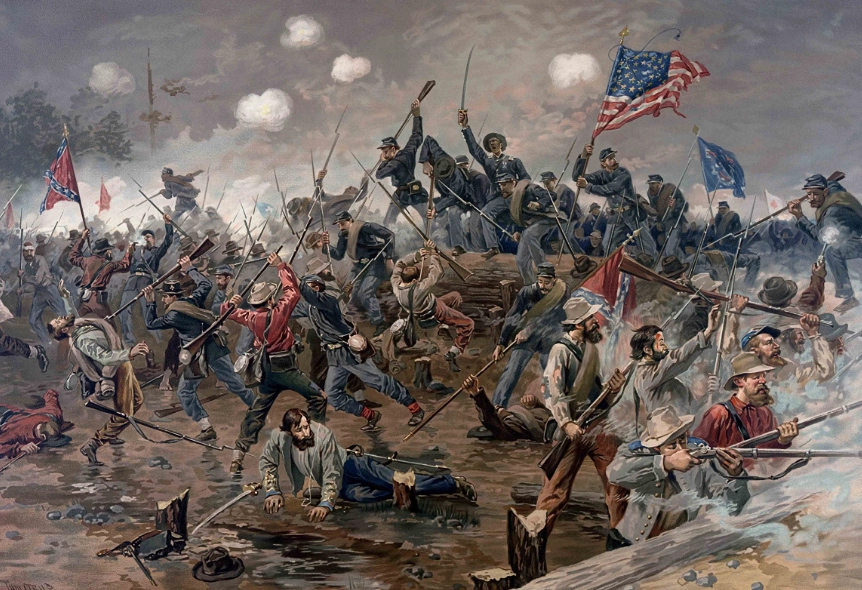
The study of historiography is not just an exploration of what happened in the past, but how historians’ interpretations of those events have evolved over generations. Nowhere is this evolution more visible—and contentious—than in debates over the causes of the American Civil War. The shifting perspectives reflect changing societal values, new methodologies, and broader cultural currents.
Here, we’ll trace the major interpretations of the war’s origins, explore why those views changed, and consider what the study of historiography reveals about both history and historical inquiry.
What Is Historiography?
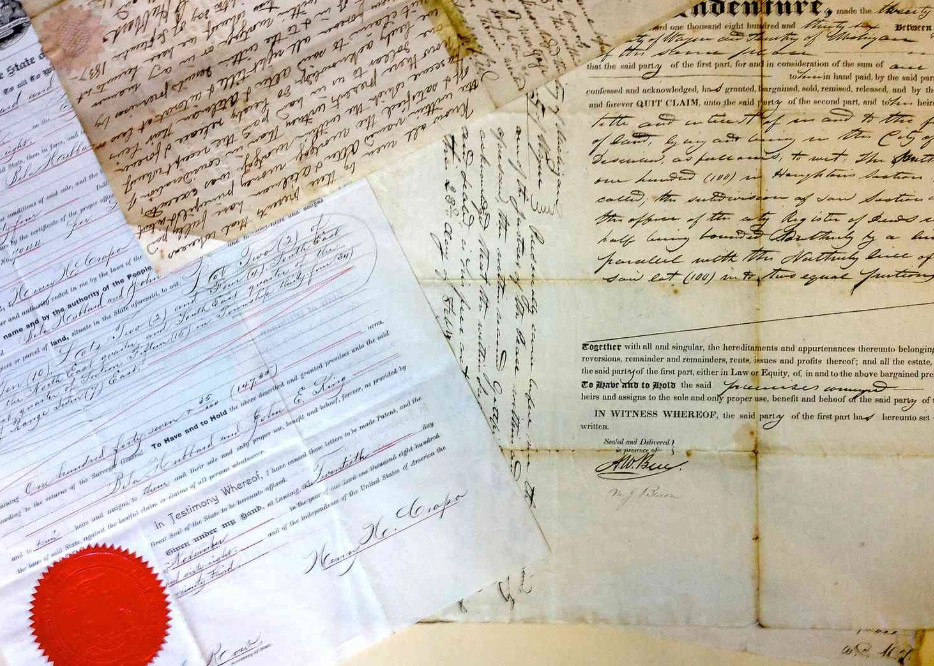
Historiography is the study of how history is written—how historians interpret evidence, construct narratives, and debate the meaning and significance of past events. Watching the historiography of a topic unfold is like looking through a changing lens. What one generation sees as an obvious fact, the next might view as myth or misinterpretation. This ongoing debate enriches the discipline, keeping history vital and relevant.
The Evolution of Civil War Historiography: Major Schools and Shifts
1. Immediate (Contemporary) Accounts, 1860s–1880s
In the direct wake of the Civil War, North and South told profoundly different stories:
Unionist/Northern interpretations emphasized preserving the Union and, increasingly, a moral crusade against slavery, especially after the Emancipation Proclamation.
Southern accounts often stressed the defense of state sovereignty and local rights, with leaders arguing they acted to repel what they saw as Federal “aggression”.
These early narratives were deeply shaped by the trauma and passions of those who lived through the conflict.
2. “Lost Cause” and Reconciliationist Interpretations, Late 1800s–Early 1900s
By the turn of the 20th century, a powerful new narrative—the “Lost Cause”—had emerged in Southern writing. Proponents depicted the Confederacy as heroic and noble, fighting for constitutional rights rather than the protection of slavery.
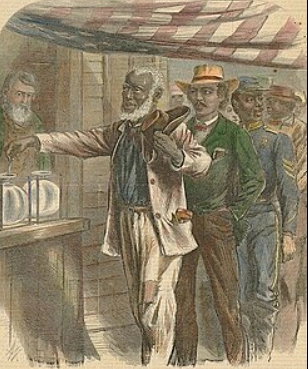
Key Features:
Downplayed slavery as a cause and justified secession on abstract principles like “states’ rights.”
Portrayed Southern leaders as honorable and idealized their valor, while casting Union victory in terms of overwhelming material advantage rather than moral superiority.
Influenced national memory by promoting reunion and reconciliation (sometimes at the cost of minimizing Black suffering and the realities of slavery).
This view influenced countless textbooks and popular accounts for decades, aligning with a national desire to heal divisions, but at the cost of historical accuracy and confronting the true legacy of slavery.
3. Progressive/”Revisionist” Historiography, Early to Mid-20th Century
In the early 1900s, some historians began to challenge the dominant views, though not always toward more progressive ends. The “revisionist” approach of this era:
Emphasized economic issues (like tariffs or class conflict) as primary causal factors.
Sometimes suggested that the war could have been avoided or was a “blundering” failure of statesmanship.
These arguments, while now largely discredited regarding the Civil War, demonstrated historians’ growing interest in broader economic and political contexts.
4. Civil Rights Movement and the Reassertion of Slavery as Central Cause, 1950s–1970s
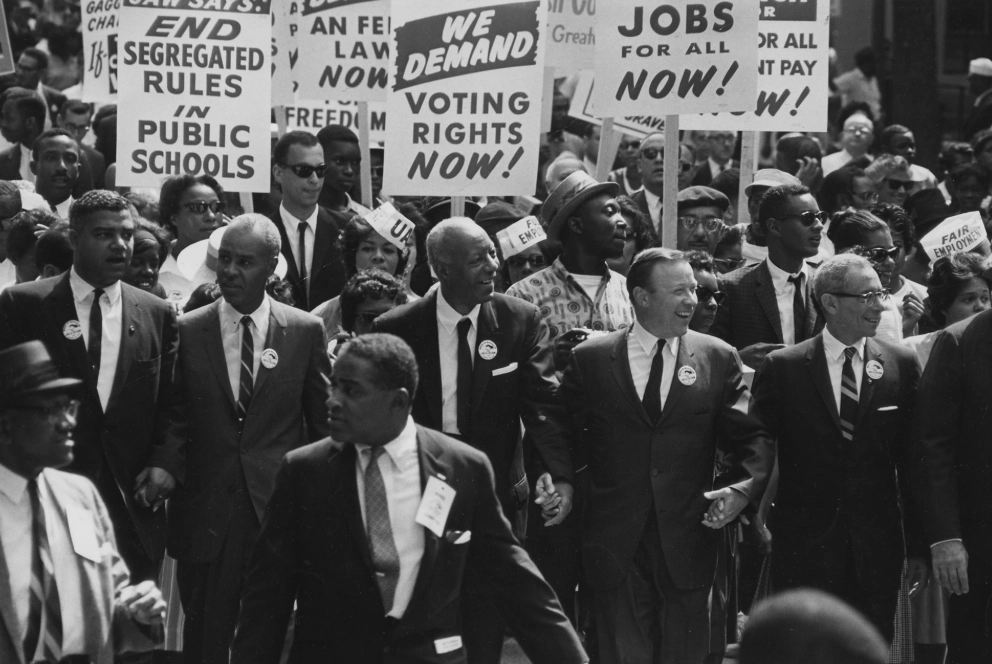
The civil rights era transformed how historians approached the Civil War:
New scholarship rigorously proved that slavery was the fundamental cause, using letters, speeches, and declarations from the era.
The idea that “states’ rights” was an abstract principle, rather than being intimately tied to the preservation of slavery, was powerfully challenged.
Historians like Kenneth Stampp and Eric Foner used primary sources to show that Confederate secession documents explicitly cited slavery as their reason for leaving the Union.
This shift was influenced by contemporary struggles for racial justice, which prompted a re-examination of the war’s true legacy and a willingness to challenge comforting myths.
5. Modern Complexity and Nuance, 1980s–Present
Recent historiography has sought greater nuance:
Acknowledges multiple, interconnected causes (e.g., sectional conflict, economic concerns, cultural differences) but affirms slavery’s centrality.
Examines how gender, class, memory, and regional identity have shaped both the war’s reality and how it has been remembered.
Expands beyond political leaders to explore the role of ordinary people, women, enslaved individuals, and marginalized groups.
Modern historians also investigate how the memories and memorializations of the war have changed over time—for example, mapping how reconciliation narratives after the war often downplayed issues of Black freedom and equality in favor of national unity.
Historiographical Debate in Action: The Causes of the Civil War
The core controversy for more than a century has been: Was the Civil War fought primarily over slavery, or were other factors (like tariffs, economic conflict, or constitutional principles) equally or more important?
Comparative Summary Table
Interpretation | Main Argument | Time Period Dominant | Representative Historians |
|---|---|---|---|
Union/Northern | Preserve Union, end slavery (increasingly) | 1860s–1880s | Contemporary leaders |
Lost Cause | States’ rights, Southern honor, and minimizing slavery | 1880s–1940s | Jubal Early, Edward Pollard |
Economic/Revisionist | Tariffs, economic competition, clash of systems | Early 20th century | Charles Beard |
Civil Rights/New Consensus | Slavery is the fundamental cause | 1950s–today | Kenneth Stampp, Eric Foner |
Modern Complexity | Slavery, but with attention to cultural, social, and memory dynamics | Present | James McPherson, Nina Silber |
Why Do These Interpretations Change?
Several factors drive historiographical shifts:
New Evidence: Discoveries of forgotten documents or new access to archival materials.
Changing Values: As society’s views on race, gender, and identity shift, historians reexamine the past.
Academic Trends: The influence of new approaches (social history, cultural studies, memory studies) broadens the field.
Political and Social Needs: National moments of crisis or unity (such as Reconstruction, the Civil Rights Movement, or debates over Confederate monuments) shape collective memory and what aspects of the past are emphasized or minimized.
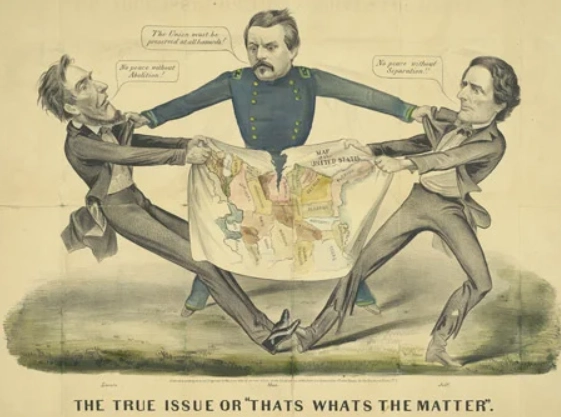
Debates in Civil War historiography continue over the relative importance of slavery and other causes.
The Power—and Responsibility—of Historiography
Why does it matter how we interpret the Civil War now? Because historiography shapes public memory. For much of the 20th century, the “Lost Cause” dominated the American South, influencing generations’ understanding of their history and identity, including the rise of Confederate iconography and resistance to civil rights.
Only by studying historiography—not just “what happened,” but how we interpret what happened—can we critically evaluate the stories we tell ourselves. Recognizing myths, confronting uncomfortable truths, and honoring those previously silenced ensures that history remains not just about the past, but relevant to the present and future.
Conclusion
The evolution of Civil War historiography—from reconciliation and romanticization to rigorous scholarship foregrounding slavery—demonstrates how historical interpretation is dynamic, molded by changing values, new evidence, and cultural needs. Understanding why these interpretations change helps us grasp not only what happened but why history still matters.
FAQs on Historiography
How do historians choose the boundaries of their analysis?
Historians often debate where to "start" and "stop" when analyzing a topic. Setting chronological, geographical, or thematic boundaries is influenced by the specific questions being asked, the availability of sources, and sometimes the conventions of academic practice. For example, when studying the Civil War, some may focus only on military events, while others include pre-war social tensions or post-war consequences to offer a broader context.
What are the risks of presentism in historiography?
Presentism is the practice of interpreting historical events through the lens of contemporary values or ideas. While it can offer relevant perspectives, it often distorts the intentions, agency, and lived realities of people in the past. Good historiography strives to balance understanding the original context with drawing appropriate lessons for today.
How do funding sources or institutional affiliations impact historiographical work?
Who pays for, publishes, or supports historical research can influence the questions asked or the perspectives favored. For example, state-sponsored projects or university priorities can affect which topics get attention or which sources are made available. Transparency about such influences is important for credible historiography.
Can fiction or creative works be included in historiographical studies?
While most historiography is based on non-fictional records, some scholars analyze novels, films, or visual art to understand how societies remember and interpret the past. However, it is crucial to differentiate between historical interpretation and artistic representation or myth-making.
What is the difference between "history" and "historiography"?
"History" typically refers to the actual events of the past or broadly accepted narratives, while "historiography" concerns the study of how those events have been researched, debated, and written about over time. Every historiography asks: How have interpretations changed, and why? What evidence and arguments support competing views?
How does digital technology influence historiographical methods?
Digital tools allow historians to analyze larger sets of sources, trace citations, and visualize networks of influence. They also raise new questions about preserving digital records, evaluating online sources for credibility, and the democratization (or fragmentation) of historical debates online.
Why do some topics get more historiographical attention than others?
The prominence of certain historical events or themes in historiography is shaped by collective memory, cultural priorities, and sometimes political needs. Events that resonate with contemporary concerns, have rich surviving sources, or are debated in public (like the Civil War) tend to attract more scholarly focus.
What are the main types of historiographical approaches?
Different "schools" of historiography interpret the past with distinct emphases:
Social history: focuses on ordinary people, class, and daily life.
Political history: emphasizes leaders, political movements, and institutions.
Cultural history: explores ideas, beliefs, and expressions.
Feminist, Marxist, Postcolonial, and Revisionist approaches: challenge mainstream narratives, often by centering previously marginalized voices or critiquing existing power structures.
How do historians evaluate the credibility and utility of primary sources?
Not all sources are equally reliable. Historians assess authenticity, bias, provenance, intended audience, and context. They may also compare multiple sources to corroborate events or reveal underlying agendas.
Is a historiographical essay only for academic audiences?
While academic papers are a major platform for historiographical essays, the core principles—summarizing debates, comparing interpretations, and arguing for a perspective—can also inform public writing, museum exhibits, documentary filmmaking, and even political rhetoric. The key is making complex debates accessible without oversimplification.


Comments