


Have you ever read an essay that made you feel as though you were standing on a sunny beach, walking through a dense forest, or enjoying the aroma of freshly baked cookies? That's the power of a well-written descriptive essay.
Unlike argumentative or expository essays, descriptive essays focus on painting a vivid picture with words. Rather than simply telling readers what happened, descriptive writing allows them to experience it through detailed observations and sensory language.
Whether you're writing for school, preparing for competitive exams, or simply improving your writing skills, learning how to write descriptive essays is an essential skill that enhances creativity, observation, and communication.
In this comprehensive guide, you'll learn exactly how to write an engaging descriptive essay—from choosing the right topic to polishing your final draft.
What is a Descriptive Essay?

A descriptive essay is a piece of writing that vividly describes a person, place, object, event, or experience. Its primary purpose is to help readers visualize and emotionally connect with the subject by using rich details and sensory language.
Instead of merely stating facts, descriptive essays answer questions like:
What did it look like?
What did it sound like?
What did it smell like?
What emotions did it evoke?
Why was it memorable?
The goal isn't just to inform—it's to immerse the reader in the experience.
For example:
Instead of writing:
The beach was beautiful.
Write:
Golden waves rolled gently onto the soft white sand as children laughed in the distance. The salty breeze carried the scent of the ocean while the warm sun painted everything in shades of gold.
The second example creates an experience rather than simply giving information.
Why are Descriptive Essays important?
Descriptive writing develops several important skills:
Improves observation skills
Enhances vocabulary
Encourages creativity
Strengthens storytelling ability
Makes writing more engaging
Helps readers connect emotionally
Many academic exams also assess descriptive writing because it demonstrates language proficiency and expressive ability.
Step 1: Choose a meaningful topic
The first step in writing a descriptive essay is selecting a topic that offers enough detail to explore.
Good descriptive essay topics include:
A memorable vacation
Instead of describing your entire holiday, focus on one unforgettable moment.
A favorite place
Perhaps it's your grandmother's kitchen, your school's library, or a peaceful park.
A person who inspired you
Describe both their appearance and personality while explaining why they matter to you.
An unforgettable event
Birthdays, competitions, festivals, graduation ceremonies, or family celebrations all make excellent subjects.
An object with sentimental value
Old photographs, family heirlooms, trophies, or gifts often carry meaningful stories.
Pro Tip: Rather than trying to describe everything, choose one specific moment or experience. Narrow topics usually produce stronger essays.
Step 2: Brainstorm before you write
Before drafting your essay, spend a few minutes gathering ideas.
You can:
Create a mind map
List important memories
Look at photographs
Read journal entries
Recall conversations
Think about your emotions during the experience
Ask yourself:
What happened?
Who was there?
Where did it happen?
What stood out most?
Why do I still remember it?
The more details you collect, the easier writing becomes.
Step 3: Focus on thoughts and feelings
Many students make the mistake of simply listing events.
For example:
We went hiking. Then we ate lunch. Then we returned home.
This reads like a schedule.
Instead, explain your emotions.
For example:
Every step up the mountain made my legs ache, but reaching the summit filled me with a sense of accomplishment I had never experienced before.
Readers remember emotions more than timelines.
Think about:
excitement
fear
happiness
disappointment
curiosity
pride
nostalgia
Descriptive essays become memorable when readers understand how the experience affected you.
Step 4: Use the Five Senses
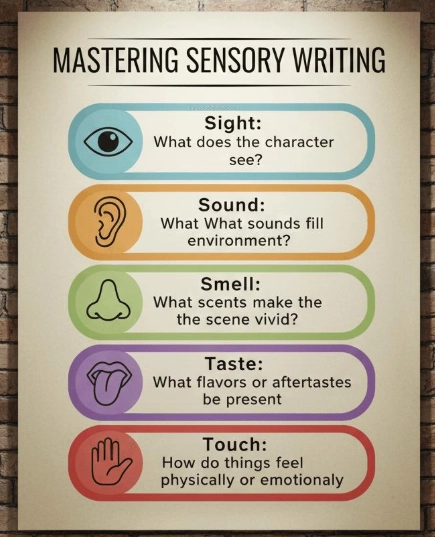
One of the biggest characteristics of descriptive writing is sensory language.
Ask yourself what you experienced through each sense.
Sight
Describe:
colors
shapes
movement
size
lighting
facial expressions
Example:
The crimson sunset reflected across the calm lake like melted glass.
Sound
Think about:
conversations
music
birds
rain
traffic
silence
Example:
The gentle rustling of leaves blended with the cheerful chirping of sparrows.
Smell
Often overlooked, smell creates powerful memories.
Example:
Freshly baked cinnamon rolls filled the entire kitchen with warmth.
Taste
Describe flavors precisely.
Instead of:
The food tasted good.
Write:
The creamy chocolate melted instantly, leaving behind a rich sweetness.
Touch
Describe texture and physical sensations.
Example:
The icy water sent a shiver down my spine as I stepped into the river.
Using all five senses transforms ordinary writing into immersive storytelling.
Step 5: Show, don't tell
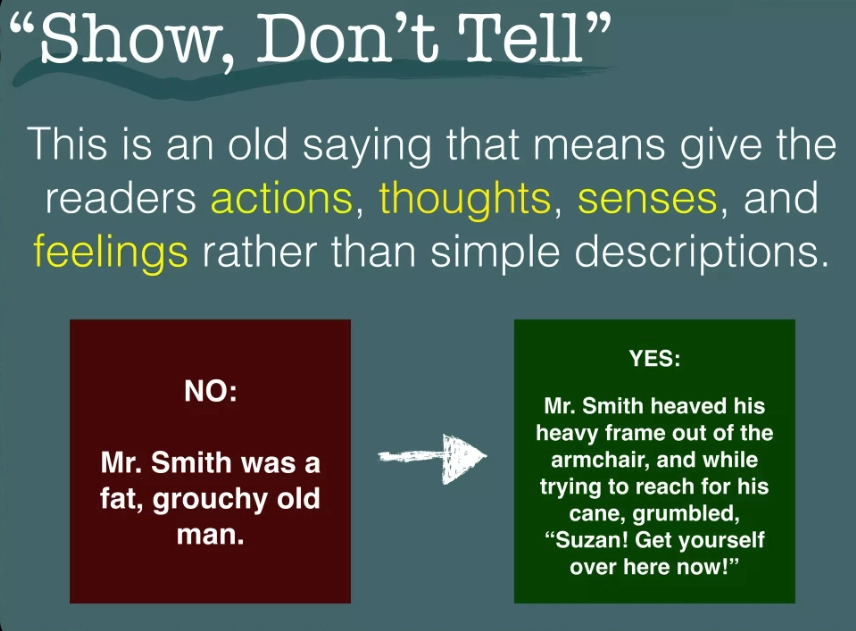
One of the oldest writing rules still holds true:
Show instead of tell.
Instead of saying:
My teacher was kind.
Show it:
She stayed after school every Friday, patiently answering every question until every student understood the lesson.
Instead of saying:
I was nervous.
Write:
My hands trembled as I walked toward the stage, and my heartbeat echoed louder than the applause.
Showing creates vivid imagery that keeps readers engaged.
Step 6: Use specific details instead of general statements
General writing sounds flat.
Compare these examples.
General:
We had fun at the amusement park.
Specific:
We screamed with excitement as the roller coaster plunged down its steepest drop before bursting into laughter at the end.
Specific details help readers imagine the scene.
Ask yourself:
What exactly happened?
What made it memorable?
What tiny details can I include?
Small observations often create the strongest descriptions.

Step 7: Choose strong descriptive words
Your vocabulary determines how vivid your writing becomes.
Instead of common adjectives like:
nice
good
bad
big
small
Use richer alternatives:
Simple Word | Better Choice |
|---|---|
Good | delightful, satisfying, remarkable |
Big | enormous, towering, gigantic |
Small | tiny, miniature, delicate |
Happy | joyful, thrilled, delighted |
Sad | heartbroken, gloomy, disappointed |
Beautiful | breathtaking, magnificent, picturesque |
Powerful adjectives and active verbs instantly improve your essay.
For example:
Instead of:
The wind blew.
Write:
The icy wind whipped through the trees, carrying fallen leaves across the empty road.
Step 8: Structure your descriptive essay
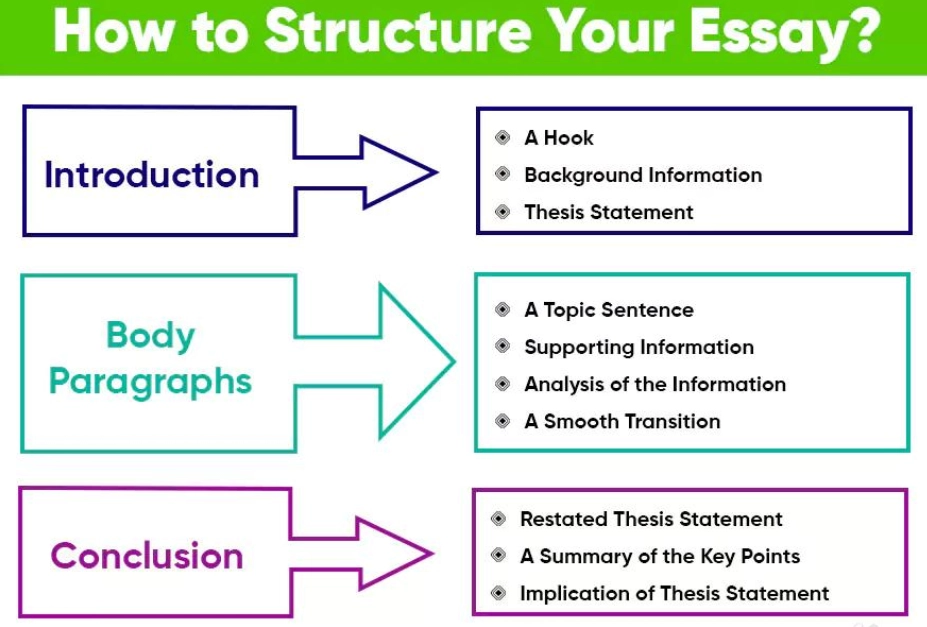
A well-organized essay is easier to read and more enjoyable to follow. Most descriptive essays follow a simple three-part structure:
Introduction
The introduction should grab the reader's attention and briefly introduce the topic. You can start with:
A vivid description
An interesting question
A surprising fact
A short anecdote
A memorable quote (if relevant)
Example:
The first thing I noticed was the scent of pine trees drifting through the cool mountain air. As the morning mist slowly lifted, the breathtaking view before me made every step of the journey worthwhile.
This opening immediately immerses the reader in the setting while creating curiosity about what comes next.
Body Paragraphs
The body paragraphs contain the heart of your essay. Each paragraph should focus on one aspect of the description.
You might organize them by:
Chronological order
Location (moving from one area to another)
The five senses
Emotional progression
Importance of details
For example, if you're describing a beach vacation:
Paragraph 1: Arrival and first impressions
Paragraph 2: Activities and surroundings
Paragraph 3: Feelings and memorable moments
Keeping each paragraph focused helps your essay flow naturally.
Conclusion
Your conclusion should leave readers with a lasting impression.
Instead of merely summarizing, explain:
Why the experience mattered
What you learned
How it changed you
Why you still remember it
Example:
Although the vacation lasted only a week, the memories continue to remind me that life's greatest adventures often begin when we step outside our comfort zone.
A thoughtful conclusion gives your essay purpose and emotional depth.
Step 9: Revise and edit carefully
Even the best writers revise their work.
After completing your first draft:
Take a Break
Set your essay aside for a few hours—or even a day—before reviewing it. Returning with fresh eyes helps you spot mistakes and identify areas for improvement.
Read it aloud
Reading aloud helps you notice:
Awkward sentences
Repeated words
Missing punctuation
Unnatural phrasing
If a sentence sounds awkward when spoken, it probably needs revision.

Check for grammar and spelling
Look for:
Subject-verb agreement
Correct verb tenses
Punctuation
Capitalization
Spelling errors
Grammar-checking tools can help, but don't rely on them entirely. A careful manual review is equally important.
Eliminate repetition
Avoid using the same descriptive words repeatedly.
Instead of saying:
beautiful... beautiful... beautiful...
Try:
stunning
magnificent
picturesque
charming
breathtaking
A varied vocabulary keeps your writing engaging.
Common Mistakes to Avoid
Many students lose marks because of avoidable mistakes. Here are some of the most common ones.
1. Telling instead of showing
Weak:
The park was nice.
Better:
Children laughed beneath towering oak trees while colorful flowers swayed gently in the afternoon breeze.
2. Using too many generic adjectives
Words like good, nice, and bad don't create vivid images.
Choose precise alternatives that add depth and clarity.
3. Ignoring the five senses
A descriptive essay that only explains what something looked like often feels incomplete.
Include sounds, smells, textures, tastes, and emotions whenever appropriate.
4. Adding too many unnecessary details
Not every detail deserves a place in your essay.
Include details that support the main idea and create a clearer picture.
5. Poor organization
Jumping randomly between ideas confuses readers.
Follow a logical structure so your descriptions unfold naturally.
6. Forgetting the emotional connection
Readers don't just want to know what happened—they want to understand why it mattered.
Personal reflections make descriptive essays more meaningful.
Example of a short descriptive passage
A rainy afternoon
The sky turned a deep shade of gray as heavy clouds gathered overhead. Within minutes, raindrops began tapping softly against the window before transforming into a steady downpour. The earthy fragrance of wet soil drifted through the open window, filling the room with a comforting freshness.
Outside, children splashed joyfully through puddles while colorful umbrellas brightened the gloomy streets. The rhythmic sound of rainfall blended with distant thunder, creating a peaceful melody. Wrapped in a warm blanket with a steaming mug of hot chocolate, I watched the rain wash away the dust from trees and roads alike.
Although many people consider rainy days inconvenient, I have always found them calming. They remind me to slow down, appreciate life's simple moments, and enjoy the beauty hidden within ordinary days.

Descriptive essay writing checklist
Before submitting your essay, ask yourself:
□ Did I choose a focused topic?
□ Does my introduction grab attention?
□ Have I included vivid sensory details?
□ Did I show instead of tell?
□ Are my paragraphs organized logically?
□ Have I included emotions and personal reflections?
□ Did I use varied vocabulary?
□ Have I corrected grammar and spelling mistakes?
□ Does my conclusion leave a lasting impression?
If you answered "yes" to all of these, your essay is likely ready for submission.
Pro tips to make your descriptive essay stand out
Want your essay to leave a lasting impression? Keep these expert tips in mind:
Read great descriptive writing
Reading novels, travel blogs, memoirs, and personal essays exposes you to vivid descriptions and different writing styles.
Build your vocabulary
Learn new adjectives, verbs, and figurative expressions to make your writing more precise and engaging.
Practice observation
Pay attention to everyday surroundings. Notice colors, sounds, scents, textures, and emotions. Strong descriptive writing begins with careful observation.
Use figurative language sparingly
Similes, metaphors, and personification can enrich your writing when used naturally.
For example:
The lake shimmered like a sheet of glass.
The old house stood silently, guarding its memories.
Avoid overusing these devices, as too many can distract from your message.
Write regularly
Like any skill, descriptive writing improves with practice. Keeping a journal or writing about everyday experiences can help you become more confident and expressive over time.
Frequently Asked Questions (FAQs)
What is the purpose of a descriptive essay?
The purpose of a descriptive essay is to create a vivid picture of a person, place, object, event, or experience so readers can imagine it clearly and connect with it emotionally.
How long should a descriptive essay be?
The length depends on the assignment. School essays may range from 500 to 1,000 words, while detailed academic or blog-style guides can exceed 2,000 words.
Can I use first-person pronouns in a descriptive essay?
Yes. When describing personal experiences, using first-person pronouns like I, me, and my makes the essay more authentic and engaging.
What makes a descriptive essay different from a narrative essay?
A narrative essay tells a story with a clear sequence of events, while a descriptive essay focuses on vividly portraying a subject, emphasizing sensory details, imagery, and emotions rather than plot.
How can I make my descriptive essay more engaging?
Use sensory details, specific examples, varied vocabulary, strong imagery, and personal reflections. Show readers the experience instead of simply telling them about it.

Final thoughts
Mastering how to write descriptive essays takes practice, patience, and careful observation. The most memorable essays don't rely on complicated vocabulary or dramatic events—they bring ordinary moments to life through precise descriptions, sensory details, and genuine emotion.
Start with a focused topic, organize your ideas clearly, engage all five senses, and revise your work carefully. Most importantly, remember the timeless writing principle: show, don't tell. When readers can see, hear, smell, taste, and feel your experiences through your words, your descriptive essay becomes far more than an assignment—it becomes an experience in itself.
Whether you're writing for school, preparing for standardized exams, or simply looking to improve your writing skills, these techniques will help you craft descriptive essays that are vivid, engaging, and unforgettable.


Comments