

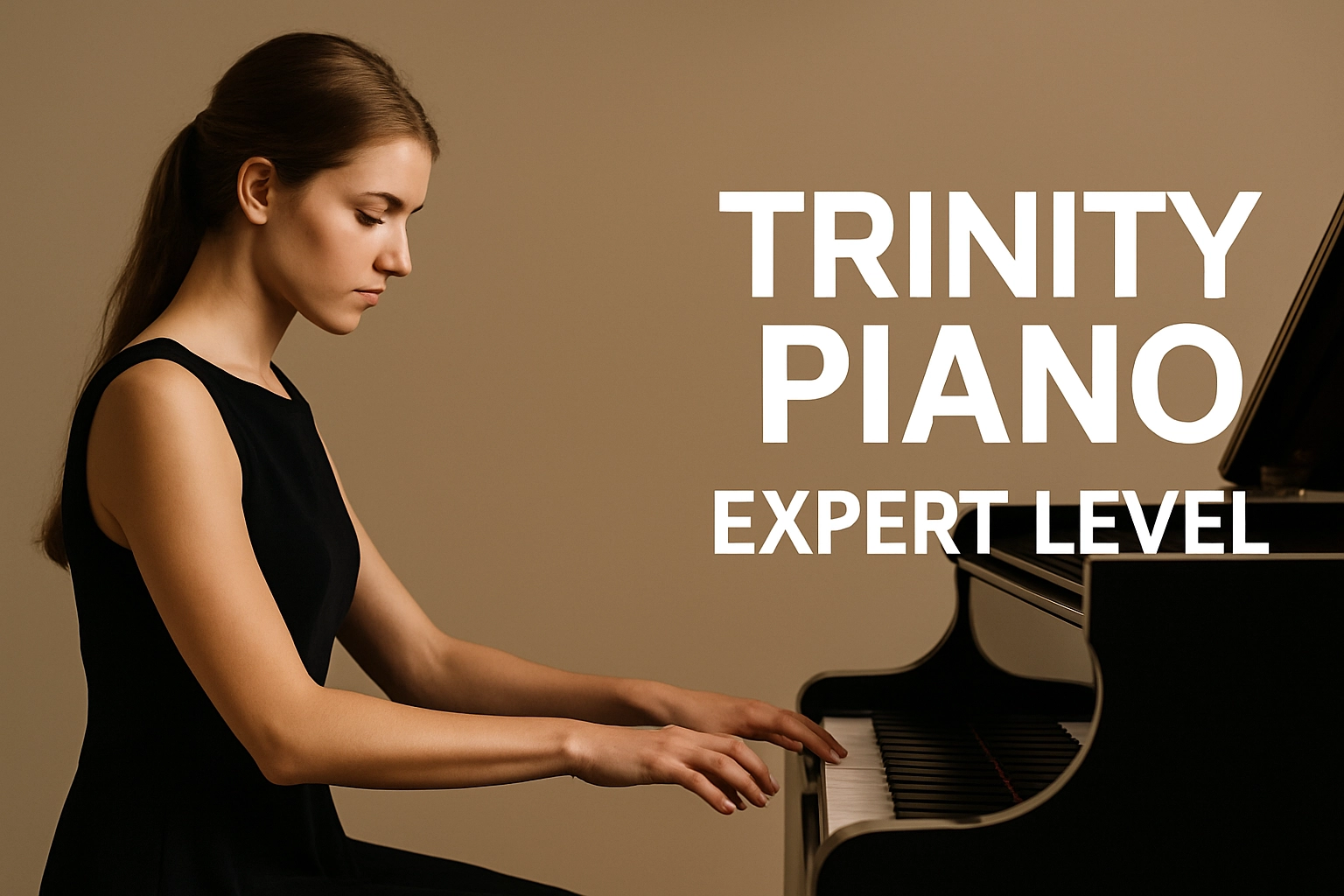
Reaching the expert level in the Trinity Piano journey is an achievement that stands as its own testament. It reflects years of disciplined practice, structured learning, emotional maturity, and the unwavering commitment to express music with depth and intention. The path toward Trinity Piano Grade 8 — followed by the prestigious Trinity Piano diploma pathways (ATCL and LTCL) marks the point where a pianist transcends mechanical execution. At this stage, a Trinity Piano student no longer plays pieces; they play music, meaning and identity.
Another vital aspect of the Trinity Piano expert phase is performance psychology. Students must enter the stage with poise, assurance, and presence. Trinity Piano Grade 8 and diploma candidates learn how to control nerves, manage adrenaline and deliver stability under pressure. They refine their ability to maintain concentration through long, complex programs. This training builds performers who can excel in recitals, competitions, university auditions, and professional environments.
The Trinity Piano diploma pathway, ATCL and LTCL elevates the student to a near-professional or fully professional level. These qualifications are respected internationally and mark a pianist as someone capable of independent artistic performance. The Trinity Piano diploma programs require mastery over repertoire curation, stylistic differentiation, interpretative coherence, and stage-ready confidence. Students must demonstrate not only skill but vision which is, a clear understanding of what they want to communicate as pianists.
Ultimately, the expert level of the Trinity Piano journey is where technique merges fully with creativity. It is where a pianist’s personal identity becomes unmistakable. With Trinity Piano Grade 8 and the diploma pathways, students step into the world of artistic excellence, confident, expressive, knowledgeable, and ready to take their place on any musical stage.
Trinity Piano Expert Level: Mastery, Interpretation, and Artistic Identity
At the Trinity Piano expert stage, students are expected to perform with conviction and complete artistic authority. The music itself becomes more expansive, emotionally charged, and structurally demanding. It requires emotional intelligence, technical precision, and interpretative maturity qualities that Trinity Piano systematically cultivates through its structured curriculum.
Trinity Piano Grade 8 repertoire challenges the performer to understand multiple layers of musical expression. Students encounter advanced polyphony, rich harmonic landscapes, and long-form compositions that require stamina, planning, and sensitive shaping. They must command technical elements such as rapid passages, wide leaps, advanced pedaling, tonal projection and absolute rhythmic stability. Through Trinity Piano’s approach, learners develop not only the tools to navigate these works but also the confidence to interpret them with individuality.
One of the defining strengths of Trinity Piano at this level is its emphasis on interpretative independence. The system encourages students to move beyond imitation and create performances that carry personal identity. Trinity Piano examiners value original thinking rooted in stylistic integrity. This balance is respecting the score while shaping one’s own artistic message which is the hallmark of a true musician. Trinity Piano prepares learners to make thoughtful decisions: where to breathe, how to shape tension, when to apply rubato, and how to project emotional depth without losing structural clarity.
What Makes the Expert Level Unique?
At the Trinity Piano Grade 8 level, students are expected to demonstrate complete technical command. Scales and exercises are no longer treated as isolated drills — they become artistic tools that reveal a pianist’s tone quality, control, and personal identity. This stage demands precision, speed, and clarity across advanced scales, arpeggios, octaves, double-note passages, broken chords, and rapid articulation. Every technical element must sound intentional, polished, and expressive. The goal is not to show effort, but to show mastery.
A Grade 8 pianist must prove that technique directly supports interpretation. Their fingers must respond instantly, allowing them to shape the music freely and confidently. This is the point where technical study transforms into true musical expression.
Artistic Interpretation: Era, Emotion & Composer Intent
Interpretation at the Grade 8 level becomes a serious artistic responsibility. Students must show a deep understanding of style, emotion, and historical character. They should know why Bach’s counterpoint differs from Chopin’s lyricism, why Mozart requires purity and elegance, and why Debussy needs colour, atmosphere, and fluidity.
Interpretation involves:
understanding the composer’s language
respecting the era’s traditions
shaping emotional direction
choosing articulation and touch with intention
This balance of structure and freedom is what makes Grade 8 artistry both meaningful and powerful.
Tonal Craftsmanship & Pedal Mastery
At this stage, tone becomes personal. Students learn how to sculpt sound with precision, using pedaling as a sensitive, expressive tool. They apply:
subtle rubato
colour-pedaling
legato pedaling
phrase-based pedaling
layered dynamic shaping
refined touch and voicing control
Every decision affects atmosphere, character, and emotional depth. Tone is no longer accidental; it becomes intentional and expressive.
High-Level Repertoire That Shapes Identity
Grade 8 repertoire spans multiple eras, styles, and emotional landscapes. These are not just exam pieces but they become signature works that reveal a student’s artistic personality. Learners are expected to show:
emotional maturity
technical ease
stylistic authenticity
confident memory recall
recital-ready performance skills
The works chosen — whether a Bach Prelude & Fugue, a Chopin Ballade, a Beethoven Sonata movement, or a modern impressionistic composition to become defining achievements in the pianist’s development.
Performance Mindset & Professional Presence
At the expert stage, students must think and behave like performers, not just learners. Grade 8 requires mastery of:
stage etiquette
posture and poise
managing performance nerves
secure memory techniques
professional recital standards
This training builds the mindset needed for competitions, recitals, auditions, and diploma-level study. It develops a musician who remains composed, focused, and expressive under pressure.
The Transformation
By the time a student reaches Grade 8, they have stepped into the realm of artistry. Technique becomes fluid, tone becomes personal, interpretation becomes intelligent, and performance becomes meaningful. This stage shapes a confident performer — someone capable of communicating stories, emotions, and ideas through the instrument with clarity, depth, and authority.
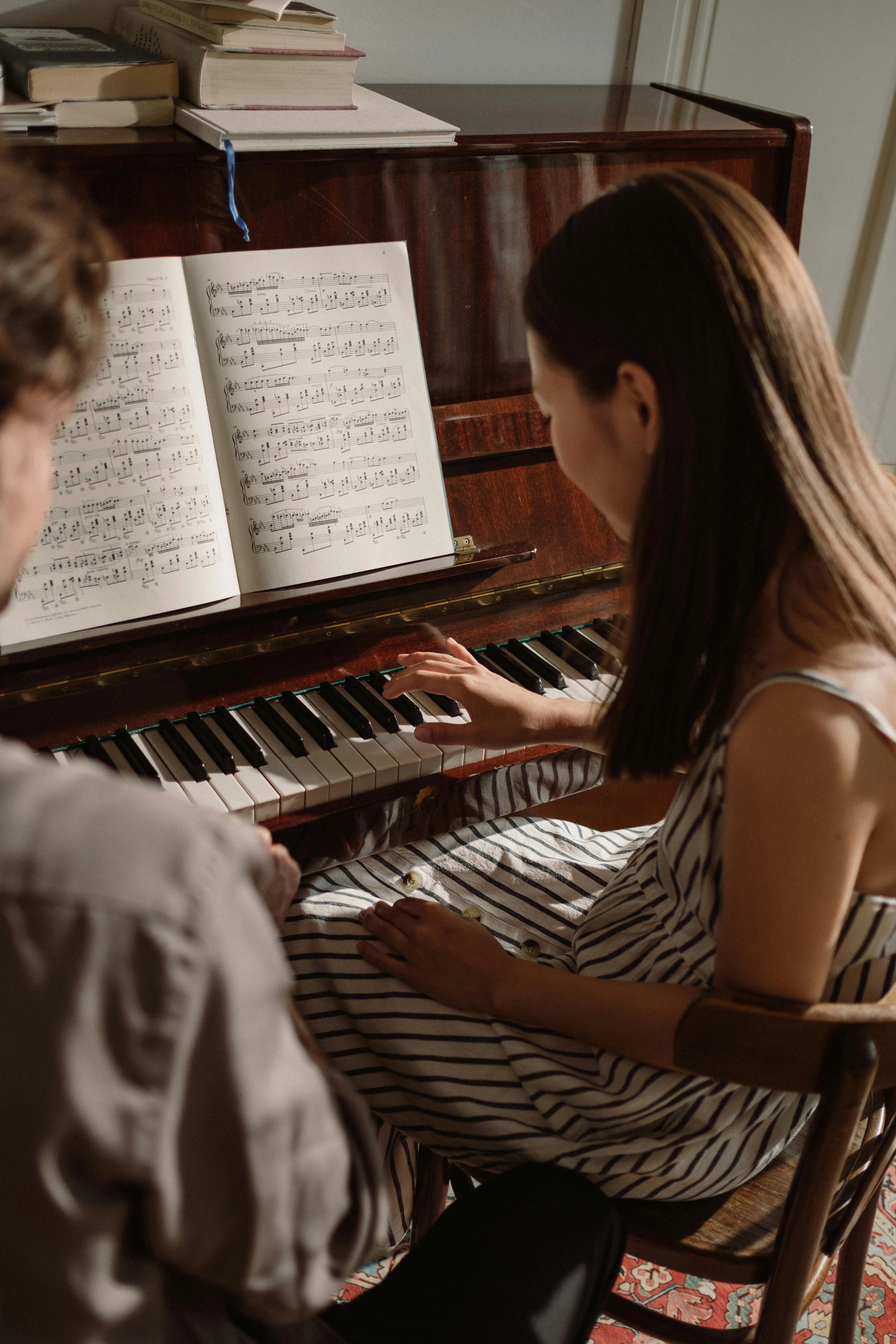
Beyond Grade 8: The Diploma Pathway
Completing Grade 8 marks a major milestone in a pianist’s journey. It shows discipline, talent, and years of dedication. But for students who want to grow further musically, intellectually, and professionally the next step is the diploma pathway. The ATCL (Associate) and LTCL (Licentiate) diplomas are internationally respected qualifications, similar to the early stages of university-level music study. These diplomas prepare a student for real performance environments, professional responsibilities, and deeper artistic development.
The diploma route is designed for students who want to move from being strong performers to becoming complete musicians. It widens their skills and sharpens their musical judgment. Students who pursue these diplomas often aim for:
Professional music careers, including concert work, accompaniment, and studio performance
Graduate-level studies, such as BMus or BA Music programs
Teaching opportunities, both privately and within institutions
International recognition, since the diplomas are acknowledged worldwide
This pathway pushes students to think at a higher artistic level. The focus shifts from “playing pieces well” to “understanding music deeply” and delivering performances that show maturity, clarity, and emotional intelligence.
What the Diploma Journey Involves
The diploma programs require far more than preparing a few pieces for an exam. They demand breadth, depth, and independence. Students must take responsibility for their interpretation, research the background of their repertoire, and learn how to perform confidently for longer periods.
Here are the key components:
1. Extended Repertoire
Diplomas require a much larger and more challenging selection of pieces. These works are longer, structurally more complex, and emotionally richer. Students learn how to build a recital program that flows smoothly, maintains interest, and shows contrast. They must demonstrate stamina, consistent focus, and artistic planning.
2. Advanced Musical Analysis
Diploma students must understand the architecture of the music they play. This means studying form, harmony, phrasing, historical context, and the composer’s style. Analysis helps the performer make informed interpretative choices and decisions that reflect both musical logic and personal understanding.
3. Deep Interpretative Understanding
At diploma level, interpretation becomes a major responsibility. Students must show thoughtful expression, not just correct notes. They learn how to communicate mood, character, and narrative. They explore tone colour, tension and release, expressive timing, and emotional shaping. The aim is to present a performance that feels alive, intelligent, and personal.
4. Full-Length Recital Preparation
Unlike shorter exam programs, diploma candidates must prepare a recital-length performance. This demands confidence, physical stamina, and strong concentration. Students learn how to manage transitions between pieces, how to pace themselves emotionally, and how to hold the audience’s attention from beginning to end.

Why Trinity’s Expert Level Matters
Reaching the expert stage of the Trinity system is far more than completing another examination. It represents a profound shift in how a pianist thinks, practices, performs, and understands music. At this level, a student begins to function not as a learner working through steps, but as a true musician capable of insight, independence, and artistic maturity.
The Trinity expert level is important because it teaches students how to think like musicians. They begin to look beyond the surface of the notes and into the structural and expressive meaning behind them. They learn to analyse a score, question its character, explore stylistic demands, and shape every phrase with intention. Instead of relying solely on instructions, they take responsibility for their own artistic decisions. This intellectual growth is one of the strongest outcomes of advanced-level training.
It also teaches students how to perform like artists. Technique alone is not enough at this stage. An expert-level performer must communicate, connect, and command attention. Trinity encourages students to cultivate stage presence, emotional confidence, and a sense of storytelling. They learn how to prepare for recitals, manage nerves, carry themselves with dignity, and deliver performances with authority. This kind of training prepares them for real-world performance opportunities, auditions, competitions, and future professional pathways.
Equally important, the expert level helps students express like storytellers. Music stops being a series of gestures and becomes an expressive language. Students learn to bring out emotion, colour, tension, atmosphere, and narrative. They understand how to use dynamics, timing, tone, and pedaling to build a story within each piece. This ability to communicate through music gives them artistic identity and personal voice.
Another reason the Trinity expert level matters is that it fosters perseverance and academic discipline. To succeed here, a student must show commitment, resilience, and consistency. The repertoire is longer, more demanding, and mentally complex. Interpretation requires research and analysis. Performance requires endurance and concentration. This process strengthens patience, focus, and self-discipline, qualities that benefit students not only in music but in all areas of life.
Furthermore, the expert level teaches emotional depth. Students learn to draw on personal experience and creative imagination to shape their interpretations. They begin to understand subtle emotional contrasts and communicate them through sound. This develops sensitivity and maturity, allowing them to approach music with a deeper sense of meaning.
Finally, the expert level matters because it fosters identity. It pushes students to define who they are at the piano:
What kind of musician they want to become
What style speaks to them
How they wish to communicate emotion
What artistic values they stand for
By the time a student completes the expert level, they have achieved something far greater than technical skill. They have discovered their artistic voice, strengthened their character, and gained a clearer understanding of their own potential. They step out not only as accomplished pianists, but as emerging artists capable of shaping music with confidence, intelligence, and personal expression.
Conclusion: The Making of a True Pianist
The Expert Level is the culmination of the entire Trinity journey.
It is the point where potential meets polish, where discipline meets artistry, where practice becomes performance. This stage doesn’t just create skilled players, it shapes mature performers who can confidently step onto any stage, anywhere in the world. For those who complete this phase, the piano becomes more than an instrument.
It becomes a voice.
And that voice carries into whatever path they choose next that is teaching, performing, recording, or lifelong musical exploration.
FAQs – Trinity Piano Expert Level
1. Who is Trinity Piano Grade 8 for?
For advanced students aiming for professional-level performance.
2. What skills are expected at this level?
Fluent technique, expressive mastery, stylistic accuracy, and strong stage presence.
3. How long does it take to prepare?
Typically 10–14 months with disciplined, consistent practice.
4. What does the exam include?
Advanced repertoire, technical work, sight-reading, and aural tests.
5. Do I need strong theory knowledge?
Yes, a solid understanding of harmony and form is essential.
6. What comes after Grade 8?
Trinity Diplomas: ATCL, LTCL, FTCL for higher professional training.
7. Is Grade 8 globally recognized?
Yes, it is accepted worldwide as a mark of expert-level proficiency.


Comments