

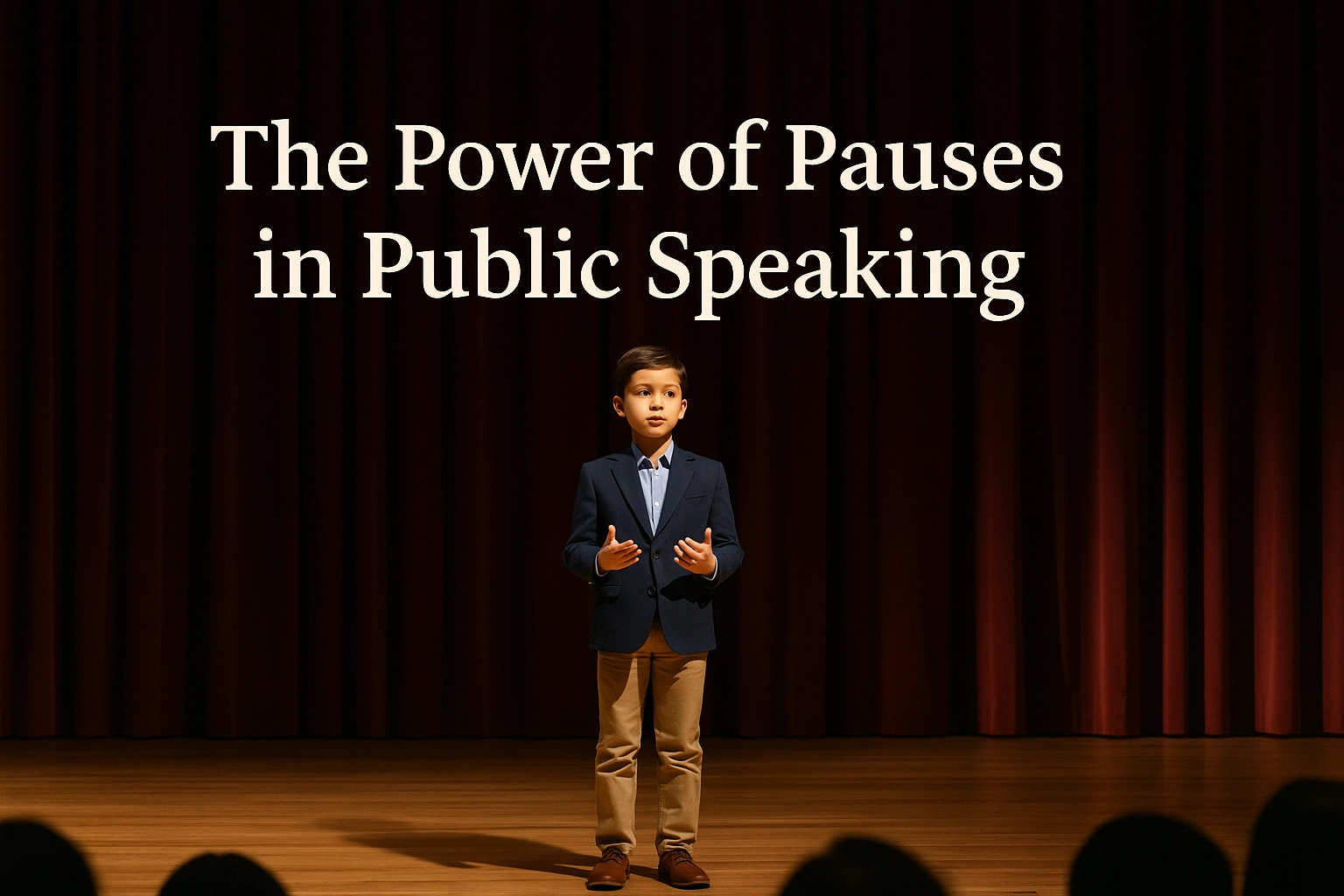
We rush through sentences trying to sound confident, sharp, and impressive. But in that speed, something important gets lost, the emotion behind the words. And in public speaking, that loss is costly. The truth is simple: the most impactful public speakers aren’t the ones who speak the fastest; they’re the ones who know exactly when to stop.
A pause isn’t empty space. It’s the moment where your message gathers strength. It’s where emotion settles, where meaning deepens, and where your audience finally feels what you’re trying to say. Silence shows control. It shows intention. It shows that you’re not speaking to impress but you’re speaking to connect. Think about the moments in life that stayed with you. The honest confession. The difficult truth. The happy news that made your heart skip. Every one of those moments had a pause. Because emotion needs space. Connection needs space. And in public speaking, silence creates that space.

When you pause, everything changes. Your listener pays attention. Your message becomes clearer. You gain calm, authority, and presence. People trust a public speaker who isn’t afraid of silence, because silence reveals confidence, not fear. Pauses aren’t a break from public speaking. They are what give your words impact. Sometimes the most powerful thing you can do on stage… is stop for a moment and let your message land.
- Why Pauses Hit the Heart Harder Than Words
- How Pauses Build Trust, Authority, and Connection while Public Speaking
- How to Use Pauses Like a Professional Speaker
- 1. Pause after every important sentence.
- 2. Pause before introducing a key point.
- 3. Use longer pauses for emotional lines.
- 4. Breathe during your pauses.
- 5. Do not explain your pauses.
- 6. Maintain eye contact during pauses.
- 7. Avoid overusing pauses.
- Why Pauses Matter So Deeply
- Conclusion: The Silence That Transforms Your Voice
- Frequently Asked Questions (FAQs)
- 1. Why are pauses important in public speaking?
- 2. How long should a pause be during a speech?
- 3. Will my audience think I forgot my lines if I pause?
- 4. Can overusing pauses make my speech awkward?
- 5. How can I practice using pauses effectively?
- 6. Do pauses improve audience connection?
- 7. Are pauses helpful for controlling nervousness?
- 8. Should I tell the audience I’m going to pause?
- 9. Do professional speakers use pauses?
- 10. Can a pause make a message more memorable?
Why Pauses Hit the Heart Harder Than Words
A pause is not just a technique, it is an emotional doorway. It is the moment when your message stops being noise and starts becoming truth. In public speaking, that shift is everything. Words might fill the air, but pauses fill the heart. When you pause at the right moment, you give your audience a gift, the space to feel. And that space is rare in today’s world. We live fast, we listen fast, we respond fast. But we feel slowly. Emotion needs room. It needs stillness. It needs silence.
Imagine a powerful movie scene. The hero is about to say something life-changing. Right before that moment, everything stops. The music fades. The world freezes. And for that one heartbeat of silence… you feel everything. That pause prepares your soul. It whispers, “This matters.”
The same magic happens in public speaking when you allow yourself to be still. A pause also reveals your courage. Silence exposes you. It shows your breath, your presence, your authenticity. Most speakers fear that silence, they think the audience will judge them. But the truth is the opposite. When you pause with confidence, the audience doesn’t judge you. They trust you. They lean in. They feel safe with your words because your silence shows calm, maturity, and emotional strength.
The pause is where your story breathes. It separates one thought from the next. It creates the rise and fall that every meaningful message needs. Without it, everything blends into one flat line. But with it, your message gets shape, rhythm, colour, and soul. And most importantly, pauses create trust. When you speak too fast, the audience senses your anxiety, your need for approval, your rush to be heard. But when you pause, you send a different message: “I believe in what I’m saying.” And people follow speakers who believe in their own words.
Pauses are deeply human. Think of the moment before someone says, “I love you.” The moment before someone shares painful news. The silence before tears. The breath before laughter. Life happens in those spaces. Those are the moments we remember, not because of what was said, but because of what was felt. Your audience isn’t looking for a perfect speaker. They’re looking for a real one and someone who speaks with heart, not just with vocabulary. Pauses bring that heart forward. They make your message honest, grounded, and emotionally alive.
If you want to reach your listener’s mind, speak well.
But if you want to reach their heart, pause.

How Pauses Build Trust, Authority, and Connection while Public Speaking
People don’t follow voices, they follow conviction. And in public speaking, nothing reveals conviction more clearly than silence. A pause is not a break in your speech; it is the moment that proves you are in control. It is where confidence settles, where authority speaks without raising its volume, and where connection begins quietly but powerfully.
A pause is a clear signal of strength. Most people rush through their words because they are scared, scared of being judged, scared of losing the audience, scared of not sounding “perfect.” But when a public speaker pauses, it sends the opposite message: I am not here to chase your attention. I am here to lead it. That calm, unhurried moment tells your audience that you know your message is worth listening to. You are not desperate. You are deliberate.
This is why great public speaking relies on pauses. True speakers like leaders, mentors, teachers, use silence with intention. They speak with discipline, measured rhythm, and emotional awareness. They understand that authority is not loud; it is steady. A pause in the right place creates an atmosphere of clarity and control that no amount of fast talking can ever achieve. The silence shows the audience that you are thinking, not performing. You are speaking with them, not at them.
Pauses also act as cues in public speaking. When you pause before an important point, you command the room without saying a single extra word. You prepare your listeners the way a teacher prepares a student before revealing something meaningful. That moment of quiet is like a spotlight, it tells the audience, Pay attention. This matters. It brings gravity and focus into the space.
But pauses are not only about authority. They are deeply human, and this is where genuine connection appears. When you speak nonstop in public speaking, you create distance. The audience struggles to keep up, and your message feels rushed, even careless. But when you pause, you allow them to breathe with you. You make space for them to think, to absorb, to feel. They sense that you respect their time, their emotions, and their ability to understand. That alone builds trust.
Emotionally, pauses have a special power because they reveal vulnerability. When you pause after sharing a personal moment, you show that the story touched you. When you pause after an emotional line, you show that you are not just reciting words, you are feeling them. In public speaking, this honesty matters. Audiences don’t connect to perfection; they connect to humanity. And pauses give your humanity space to appear.
Pauses also prevent misunderstandings. When you rush, your message gets tangled. Listeners feel pressured to catch up. But a well-timed pause brings clarity. It helps your audience follow your structure, remember your points, and understand your intention. A rushed message is forgotten. A clear message supported by silence is remembered. History proves this. The greatest public speakers like ancient leaders, spiritual teachers, courtroom advocates, orators understood the value of silence. They used pauses not as an accident, but as strategy. They respected the rhythm of communication: speak, pause, let it sink in, then continue. Human minds haven’t changed. We still respond to that rhythm because deep concentration and deep emotion both rise in silence.
A pause can soften anger when tension is high. It can make inspiration stronger when hope is needed. It can make truth heavier when honesty matters. It can create suspense when your message is building toward something meaningful. The emotional texture that silence brings is impossible to create with words alone. Without pauses, public speaking becomes a straight line that is flat, predictable, forgettable. But with pauses, it becomes a heartbeat which is alive, intentional, and deeply felt. And people always listen to a heartbeat because it reminds them of their own.
If you want trust, pause.
If you want authority, pause.
If you want connection, pause.
Because in public speaking, the moment you say nothing… is often the moment your audience hears you the loudest.
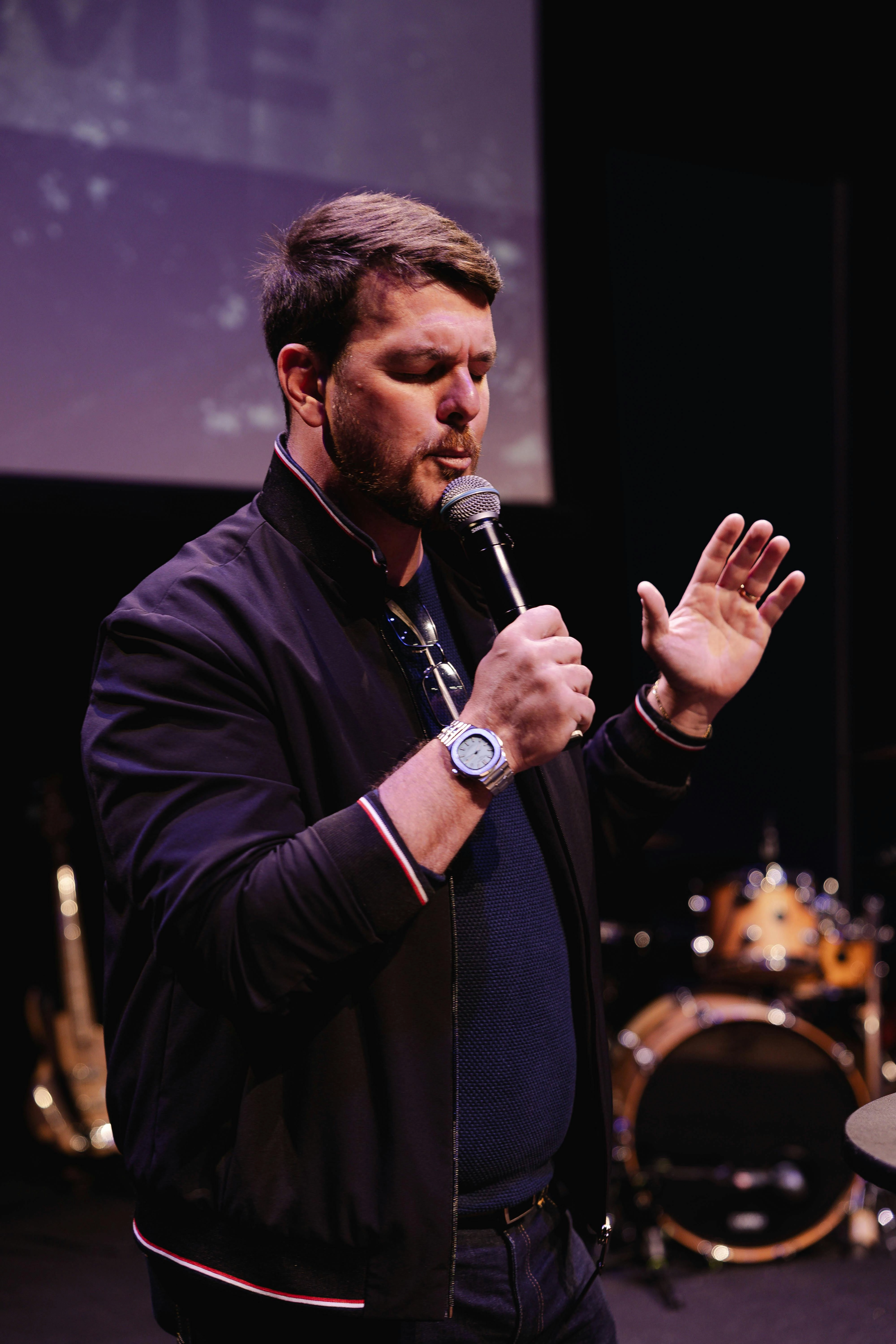
How to Use Pauses Like a Professional Speaker
Mastering pauses is not difficult, but it demands discipline, self-awareness, and emotional courage. In public speaking, silence is not an interruption, it's a tool of influence. When used with intention, pauses can transform your delivery from ordinary to unforgettable. They bring clarity to your message, confidence to your presence, and emotional connection to your audience.
Yet most speakers avoid pauses because silence feels uncomfortable. It feels like exposure. It feels like standing on stage without the safety of words. But here is the truth every powerful speaker learns: the moment you stop speaking is the moment your audience starts listening more deeply.
To use pauses like a professional, you must understand both the technique and the emotion behind them. Here is the most effective, human, and practical approach.
1. Pause after every important sentence.
If a sentence carries weight, give it space. Allow the audience a moment to absorb the thought, to reflect on it, and to feel it.
When you rush through your key points, they lose their power. But when you pause after sharing something meaningful, you add gravity. You tell your audience: This line matters. Hold onto it.
In that brief silence, your words settle. They sink in. They turn into memory.
2. Pause before introducing a key point.
A pause before an important message is like the inhale before a powerful note in music. It creates anticipation. It heightens focus.
That moment tells the room, “Listen closely now.”
It prepares your audience emotionally and mentally. You are not just delivering information, you are guiding their attention with intention and care.

3. Use longer pauses for emotional lines.
Some sentences deserve more than a second. When you speak from your heart, when you share pain, truth, joy, vulnerability they all give that emotion room to breathe.
People feel more when you allow silence.
A long pause after an emotional line is not dramatic, it is human. It gives your story authenticity. It tells your listener, “This mattered to me. Let it matter to you.”
In public speaking, these emotional pauses are often the moments people remember long after your speech ends.
4. Breathe during your pauses.
A pause is not just for the audience. It is also for you.
When you breathe during your pause, your body resets. Your heartbeat steadies. Your voice becomes grounded.
Most speakers forget to breathe, and this leads to rushing, anxiety, and vocal strain. A calm breath during silence restores your composure. It reminds you that you are in control, not your nerves, not the crowd, not the pressure of the moment.
5. Do not explain your pauses.
Never say, “Let me pause here,” or “Let me think.”
A pause should feel natural, not announced.
The moment you explain it, you take away its magic. Silence works best when it feels effortless and when it blends into your message as though it had always belonged there. Trust that your audience understands. They do.
6. Maintain eye contact during pauses.
Eye contact during silence is powerful. It deepens connection and communicates confidence.
When you pause and look at your audience, you create a quiet bond like a moment where nothing is spoken, yet everything is communicated.
This simple practice tells your listeners, I’m here with you. I’m not hiding. I’m comfortable in this moment.
7. Avoid overusing pauses.
Too many pauses become distracting. They lose their purpose. Pauses must feel intentional—not mechanical or forced.
Think of pauses as seasoning: the right amount enhances the dish; too much spoils it.
Use silence where the message demands it, not where habit inserts it.
Why Pauses Matter So Deeply
Pauses make your message stronger, but only when used with purpose. A pause isn’t decoration, it’s structure.
Just as commas, full stops, and paragraphs shape writing, pauses shape public speaking. They give form, rhythm, and emotional texture to your delivery.
Great speakers don’t rush. They guide. They navigate. They allow their thoughts to breathe so the audience can breathe with them.
They honour the weight of their message by giving it space and not drowning it in speed.
In the quiet moments of your speech, your authority rises, your sincerity shines, and your connection deepens.
A professional speaker isn’t defined by how much they say but by how meaningfully they say it.
And often, the most meaningful part…
is the silence between the words.
Conclusion: The Silence That Transforms Your Voice
Silence is often misunderstood. Many people treat it as a gap, an absence, a moment where nothing is happening. But in public speaking and in life, silence is rarely empty. A pause carries meaning. It carries emotion. It carries intention. It holds the weight of everything you want your audience to feel but cannot express through words alone.
When you begin to understand silence this way, your entire relationship with communication changes. You stop fearing pauses and start valuing them. You stop rushing to fill the air and start respecting the space your message needs. You realize that silence doesn’t weaken your voice, it strengthens it in ways speech alone never could.
A pause reflects maturity. It shows that you are comfortable with yourself, your thoughts, and your presence. Anyone can speak continuously, but it takes a composed and confident mind to stop mid-sentence and allow the moment to breathe. Silence reveals a calm inner world. It shows that you are grounded, steady, and emotionally aware. That kind of poise is rare, and your audience can feel it.
A pause reflects self-respect. When you give your words space, you are telling the world, My message matters. My thoughts are worth understanding. My voice deserves clarity. This is not arrogance, it is dignity. It is the acknowledgement that your communication deserves to be experienced, not rushed through. When you treat your words with respect, your audience learns to do the same.
A pause elevates your communication from ordinary to remarkable. Without silence, speech is flat. It has no rhythm, no rise and fall, no emotional landscape. But when you use pauses with intention, your words gain shape. They gain contrast. They gain power. The silence becomes the canvas on which your message is painted. It gives depth to simple sentences and strength to emotional lines. It makes your audience lean in, feel, and reflect.
More importantly, a pause elevates you. It transforms your presence. You begin to speak with authority and not because you are being loud, but because you are being deliberate. You speak with confidence not because you rush, but because you are willing to slow down. You speak with authenticity not because you perform, but because you allow space for honesty.
The courage to pause is the courage to trust yourself. It means believing that your message is strong enough to stand on its own. It means trusting your thoughts, your emotions, your clarity. It means knowing that connection does not always come from what you say, but from the stillness in between. It means standing on stage, taking a breath, and allowing silence to do what words cannot.
Pausing is also the courage to be present. True presence, real, grounded presence is felt most clearly in silence. When you pause, you connect with the room. You sense your audience. You listen with your eyes. You allow yourself to be there fully. Presence cannot be rushed. It grows only in moments where you stop speaking and start feeling. The audience feels that presence instantly, and it pulls them closer to you. Pausing is the courage to let your message be enough. Not covered by unnecessary explanations. Not drowned by speed. Not overshadowed by nervousness. But offered with clarity, grace, and emotional intelligence. A message given space becomes a message people carry home in their hearts.
Silence is your most underrated tool but also your greatest emotional strength. It is the subtle force that makes your voice powerful, your message memorable, and your presence unforgettable. Anyone can talk. Few can communicate. Even fewer can communicate with emotional maturity, intention, and depth.
If you truly want to become a powerful speaker not just someone who uses words, but someone who moves people, embrace silence. Honour it. Use it. Let it shape your rhythm, your confidence, and your message.
Because the moment you step into the courage of pausing…
is the moment your voice stops being heard and starts being felt.
Frequently Asked Questions (FAQs)
1. Why are pauses important in public speaking?
Pauses help your audience absorb your message, feel your emotions, and stay engaged. They bring clarity, authority, and rhythm to your speech. Without pauses, your message becomes rushed and loses emotional impact.
2. How long should a pause be during a speech?
There is no fixed rule, but generally:
Short pauses (1–2 seconds) help clarity.
Medium pauses (2–4 seconds) highlight important points.
Longer pauses (4–6 seconds) deepen emotional impact.
The key is to pause naturally, not mechanically.
3. Will my audience think I forgot my lines if I pause?
No. Most of the time, the audience perceives a pause as confidence. When you pause intentionally and maintain your presence, people lean in and listen more closely. It signals maturity, not confusion.
4. Can overusing pauses make my speech awkward?
Yes. Pauses must feel purposeful. Too many pauses can interrupt the flow and make your delivery seem forced. Use them where the meaning or emotion needs space—not after every line.
5. How can I practice using pauses effectively?
Record yourself speaking. Mark your script with symbols where pauses should naturally occur. Practice reading slowly and deliberately. The more comfortable you become with silence, the more naturally you’ll use it.
6. Do pauses improve audience connection?
Absolutely. Pauses create space for the audience to feel something. They make you relatable and human. A well-timed pause can build trust, emotional depth, and a stronger bond with your listeners.
7. Are pauses helpful for controlling nervousness?
Yes. Pausing allows you to breathe, reset, and regain composure. Instead of pushing through anxiety by talking faster, a pause helps you ground yourself and regain control.
8. Should I tell the audience I’m going to pause?
No. Never announce your pause. It interrupts the moment and weakens the emotional effect. Simply pause naturally and let the silence do its work.
9. Do professional speakers use pauses?
All the time. Great leaders, public figures, and master communicators intentionally use pauses to command attention, build suspense, and strengthen emotional connection. Pausing is a hallmark of advanced public speaking.
10. Can a pause make a message more memorable?
Yes. A powerful sentence followed by silence sticks with the audience. Pauses give your message weight, allowing it to linger in the listener’s mind long after the speech ends.


Comments