

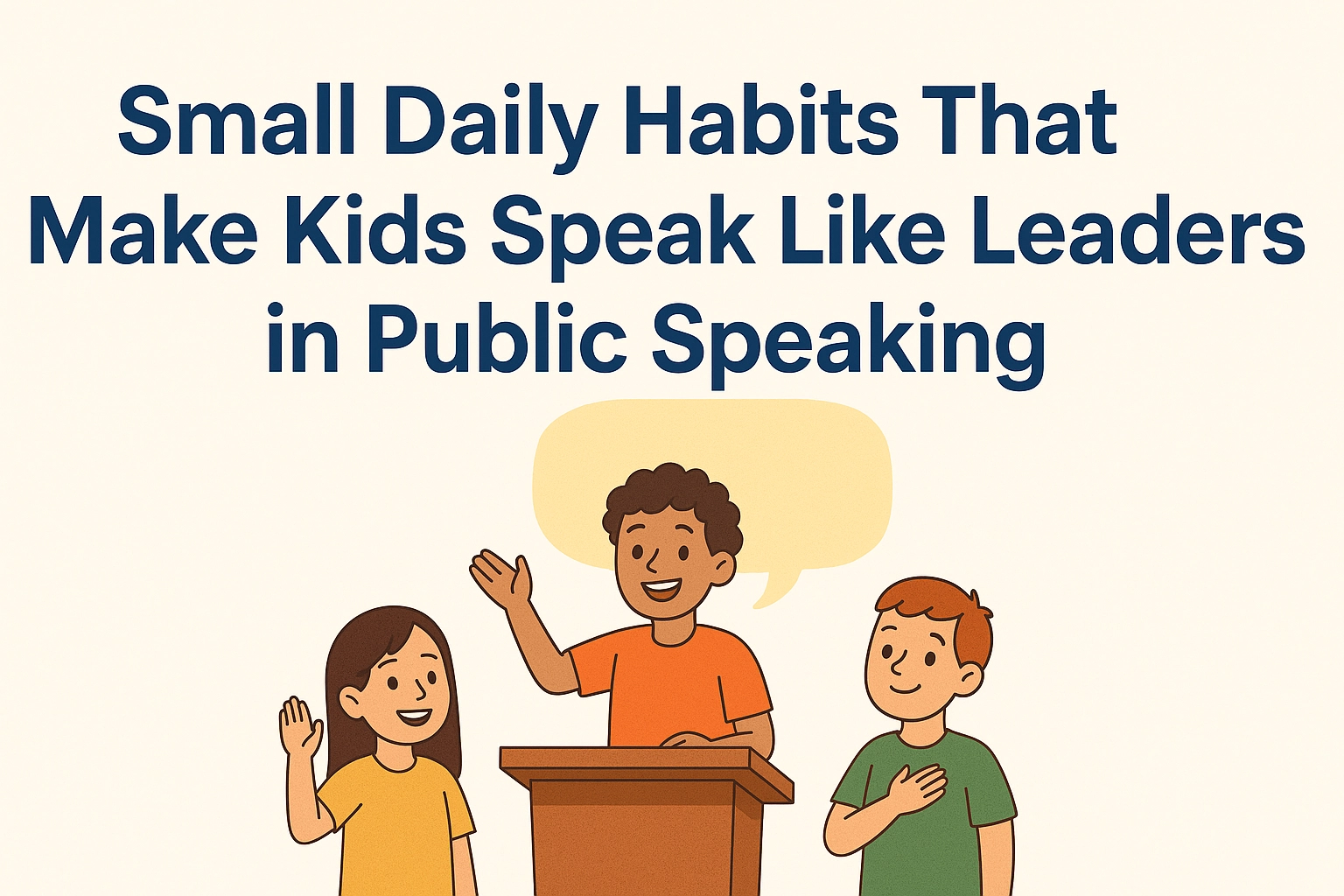
Public speaking isn’t some grand talent that appears one fine morning like a fairy godmother. It grows quietly, through tiny everyday habits that shape a child’s confidence, clarity and courage. The best part? These habits are simple, fun and totally doable at home.
Here’s how kids can turn ordinary moments into powerful public speaking practice without even realizing it.
The One-Minute Story Game
Encouraging your child to share a one-minute story every day might sound like a cute little activity, but it’s secretly one of the most powerful ways to build strong public speaking skills at home. Kids don’t realise it, but the moment they start describing something simple, like what happened at school, a funny dream they had, or why their snack deserves an international award for being delicious, they’re practicing the exact skills that every confident speaker needs. That one minute pushes them to think quickly, organise their thoughts, choose the right words and deliver them smoothly, all without the pressure of a formal “public speaking” setting. It’s storytelling in its most natural form, and storytelling is the beating heart of public speaking.
When a child tries to tell a story daily, they begin to notice patterns in how they speak. Their sentences start connecting more fluidly, their ideas stop jumping around like hyperactive popcorn, and their mind begins training itself to express a beginning, middle and end. This simple progression improves fluency, which is essential for public speaking. The more they practice these one-minute stories, the more prepared they’ll be to voice their thoughts confidently in front of classmates, teachers, or even a real audience later on.
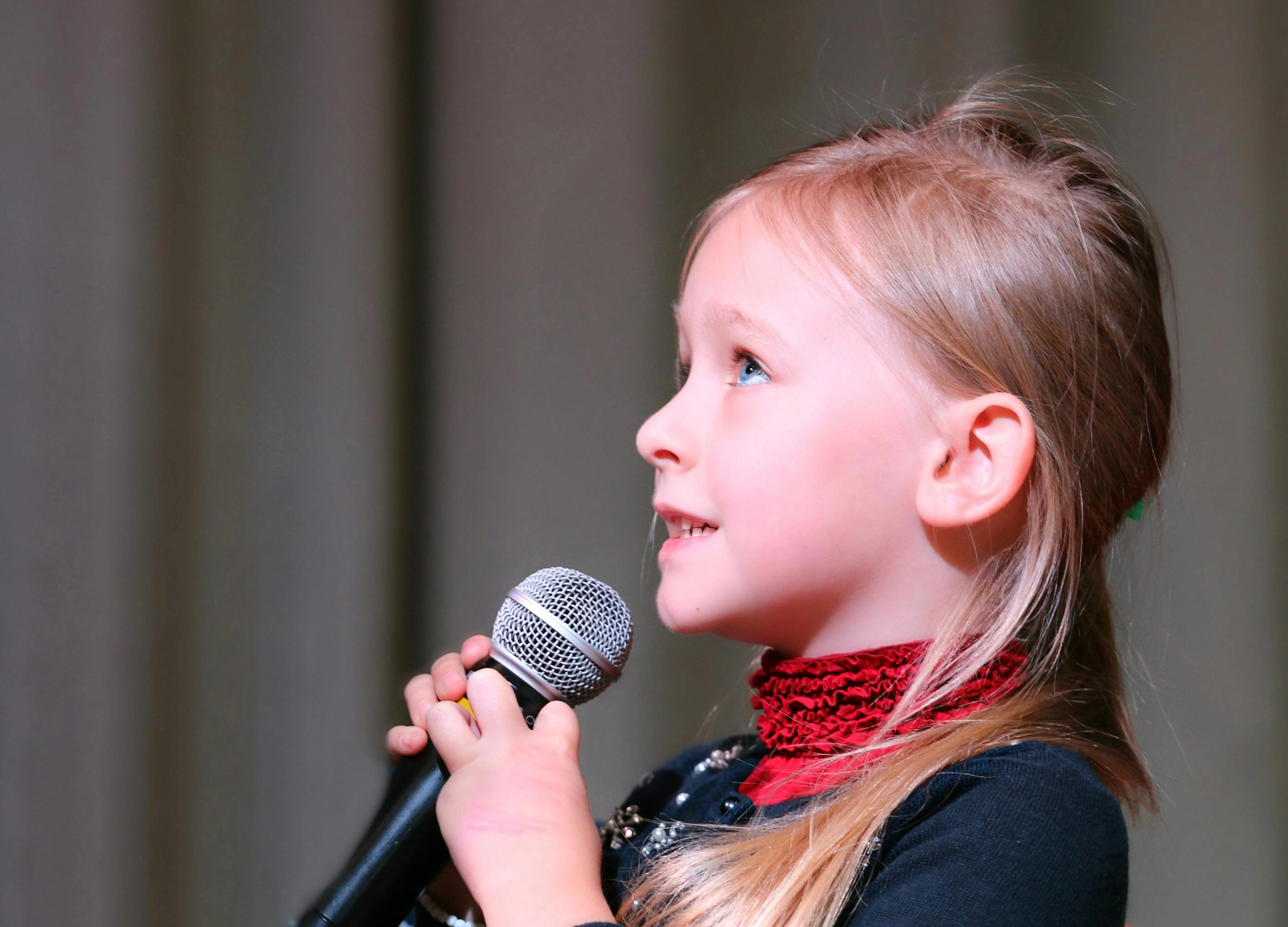
Creativity also grows beautifully through this habit. Kids realise they can make the most ordinary moment sound interesting. Maybe their school bus ride felt like a scene from a movie, or their lost pencil suddenly becomes a heroic character. This imaginative twist not only keeps them engaged but teaches them how to add personality and flair to their public speaking. Audiences don’t connect to plain facts; they connect to stories, emotions and voice. Your child will learn exactly that.
Most importantly, this daily one-minute exercise builds comfort. The more they talk, the more natural public speaking becomes. It stops feeling like a performance and starts feeling like a conversation. Their confidence rises, their hesitation decreases, and they begin trusting their own voice. Over time, this tiny habit becomes a giant stepping stone that transforms children into strong, expressive and fearless public speakers without ever overwhelming them.
“Word of the Day” Conversations for Public Speaking
Introducing a “word of the day” into your child’s routine might look like a tiny academic activity, but it does far more than improve school marks. Choosing one new word every day and challenging them to use it in different sentences gently trains their brain to think creatively, speak thoughtfully and express ideas with precision. This habit quietly strengthens their public speaking abilities because a child who has a wider vocabulary automatically becomes more confident about sharing their thoughts.
When kids learn new words regularly, they don’t just memorise meanings. They learn how language works. They start noticing how one word can completely change the tone of a sentence, how certain words sound more powerful, or how some words fit better in emotional or humorous situations. This awareness helps them build a deeper connection with language, something every strong public speaker needs. Public speaking isn’t only about standing on stage; it’s about knowing how to say something so people actually listen.
Mirror Talk for Confidence
Encouraging a child to spend just two minutes speaking in front of a mirror each day might seem like a simple exercise, but it builds some of the strongest foundations for public speaking. When children talk to their own reflection, they begin to observe how their face moves, how their posture shifts, and how their expressions change with different emotions. This daily mirror practice creates instant feedback, helping them refine the essential elements of confident public speaking without pressure or an audience.
As they speak, kids naturally start paying attention to eye contact. Looking into their own eyes teaches them how to hold a steady gaze, a crucial skill for public speaking that makes any speaker appear more confident, grounded and trustworthy. They also become aware of their posture. Slouching, stiff shoulders or fidgeting become easier to notice and correct, and slowly, they learn how a strong, upright posture transforms their public speaking presence.
Ask Better Questions
Asking children fun, open-ended questions is one of the easiest and most effective ways to build their public speaking skills at home. When you ask something imaginative like, “If you could invent a new holiday, what would it celebrate?” you encourage them to think deeper, speak clearly and express themselves with confidence. These simple conversations mirror the exact mental process used in public speaking: pause, think, organise and respond.
Open-ended questions push children to form complete sentences instead of quick replies. This builds structure, which is essential for public speaking. Kids learn how to start an idea, add details and finish without losing track. Over time, they naturally develop the ability to speak in a clear and engaging flow.
These questions also help children express opinions without the fear of being wrong. Fun prompts remove pressure, showing them that public speaking isn’t about perfect answers but about confident expression. When kids learn to share creative thoughts freely, their public speaking presence strengthens.
This practice also boosts creativity. Public speaking becomes more engaging when children learn to use imagination, humor and storytelling. A simple question can spark ideas that help them speak more vividly and confidently.
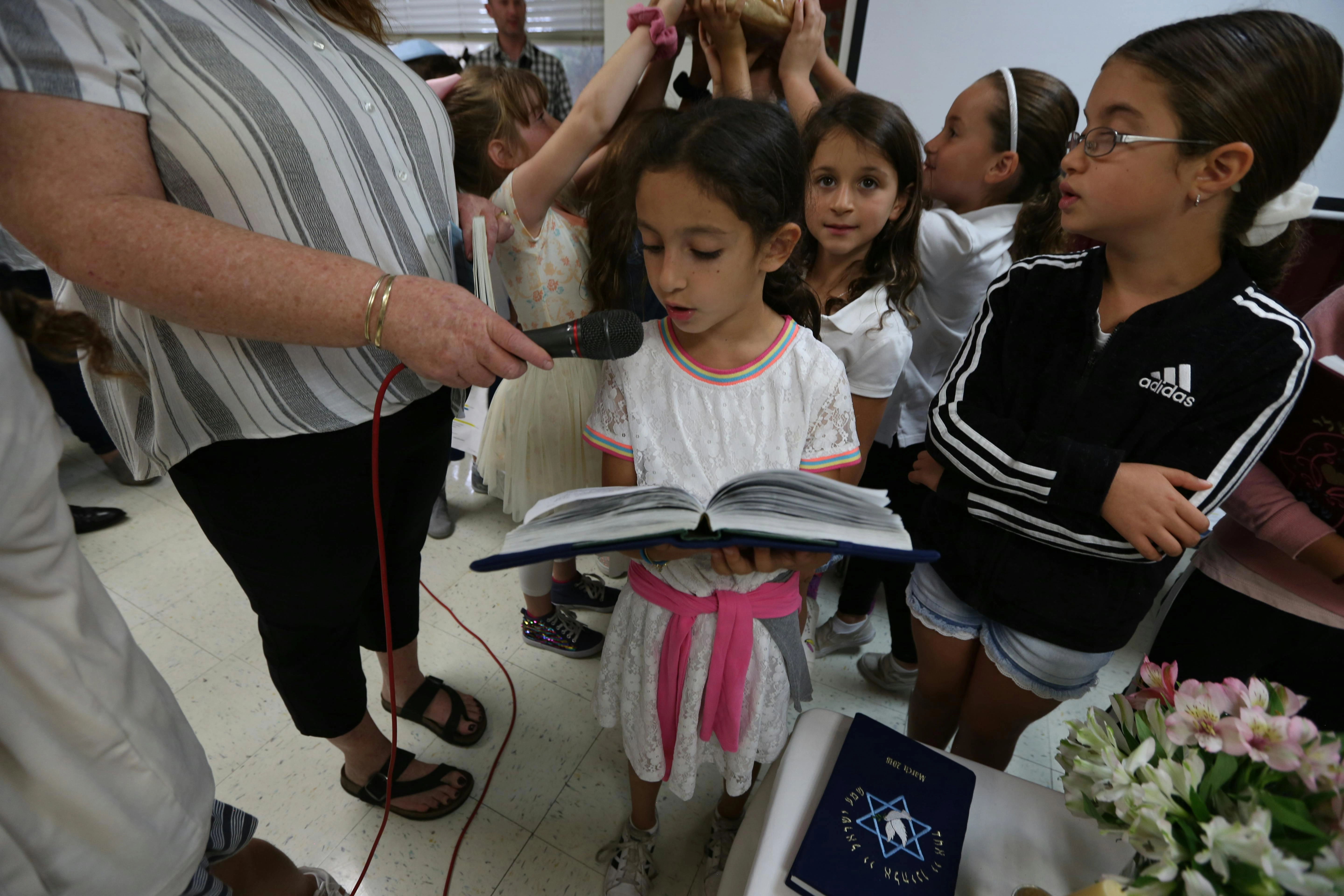
Vocabulary growth is another bonus. When kids try to explain unusual or imaginative ideas, they reach for better words. A richer vocabulary leads to more polished public speaking.
Answering open-ended questions also builds emotional expression and critical thinking. Kids learn to explain why they feel something or why they believe something. This skill makes them stronger public speakers who can connect with their audience and support their ideas.
With daily practice, children start enjoying conversations. They speak with more clarity, confidence and excitement. These short moments become mini public speaking rehearsals that slowly shape them into expressive, thoughtful and confident young speakers.
The “Explain This to Me” Challenge
Asking children to explain something simple, like how their favorite game works, why they love a particular character, or how they solved a math problem, is one of the most effective ways to strengthen their communication skills. This small habit encourages them to break down their thoughts, organize information and express it in a clear, structured way. That process is exactly what strong public speaking is built on.
When kids explain something familiar, they feel safe and confident. They already understand the topic, so their focus shifts to how to say it rather than what to say. This shift is powerful. It teaches them to form complete sentences, connect ideas logically and speak with purpose. Over time, these simple explanations help them understand the importance of clarity, which is the backbone of any public speaking skill.
As they talk, children naturally begin to choose better words. They learn how to simplify complicated ideas and describe things in a way others can understand. This builds vocabulary, critical thinking and confidence. Even a small moment like describing how a game level works or retelling a scene from their favorite show becomes a mini public speaking exercise.
Another benefit is emotional expression. When kids explain why they love a character or how they felt when they solved a tough math problem, they practice showing enthusiasm, humor, excitement or pride through their voice. Emotional expression is a major part of public speaking because it helps them connect with listeners.

Most importantly, explaining builds a child’s belief in their own voice. The more they talk, the more comfortable they become with expressing ideas clearly and confidently. This everyday practice slowly shapes them into strong communicators who can speak with clarity, structure and confidence in any public speaking situation.
Celebrate Their Voice
Acknowledging children when they speak confidently is one of the most powerful ways to strengthen their communication and public speaking development. Even a simple sentence like “I really liked how clearly you explained that” can make a huge difference. Kids repeat what makes them feel appreciated. When they sense that their effort, clarity or courage is being noticed, they naturally want to do it again, and this repetition becomes the foundation of long-term public speaking confidence.
Positive reinforcement works because it connects speaking with a feeling of success. The moment a child feels proud of their voice, they begin trusting it more. This trust is essential in public speaking, where confidence often matters as much as skill. Encouragement also reduces fear. Children who worry about sounding silly or making mistakes slowly learn that expressing themselves is safe, supported and valued.
When parents or teachers acknowledge confident speaking moments, children begin to recognize their own strength. They notice when they communicated well, when they explained something clearly, or when they answered without hesitation. This awareness helps them improve their public speaking presence because they start understanding what they did right.
Celebrating small wins is especially important. Whether they spoke loudly enough, used a new word, or shared an idea without freezing, each of these moments contributes to their growing public speaking identity. Over time, praise becomes motivation. Motivation becomes consistency. Consistency becomes confidence.
This cycle transforms speaking from something they occasionally attempt into something they enjoy and feel good about. The more they experience appreciation, the more they practice. The more they practice, the stronger their public speaking skills grow. Acknowledgment may look like a tiny gesture, but its impact on building long-lasting public speaking confidence is truly powerful.
Create a Home Stage for Public Speaking Practice
Turning a simple chair, a cozy corner of the room, or even the living-room sofa into a mini stage can make a surprising difference in a child’s confidence. This tiny setup creates a playful but meaningful space where children can practice public speaking without pressure, fear or formality. It’s a safe environment where they can experiment with their voice, posture and expression while simply having fun.
When children step onto this “stage,” even for just thirty seconds, they begin to understand what it feels like to be the center of attention. This feeling is crucial for building public speaking comfort. Many kids struggle with speaking in front of others because the idea of being watched feels overwhelming. But a home stage changes that. It turns the experience into a familiar, friendly moment rather than something intimidating.
Pretend presenting helps them practice projecting their voice, using their hands naturally and maintaining eye contact with whoever is watching, whether it’s a parent, a sibling or even a stuffed toy audience. These tiny moments of pretend play slowly build real public speaking habits. Children start to learn how to stand confidently, how to take a small pause before speaking and how to finish their thoughts without rushing.
This home stage also encourages creativity. Kids can present a story, explain a game, introduce a toy, or even pretend to host their own show. Each of these mini performances nurtures public speaking expression, storytelling ability and vocal clarity. The more they experiment, the more comfortable they become.
Another powerful benefit is routine. Practicing public speaking on this mini stage, even for thirty seconds a day, creates consistency. And consistency is what transforms shy speakers into confident ones. They become familiar with the feeling of speaking in a designated space, which eventually makes speaking in classrooms or school events feel less scary.
Most importantly, this small activity helps children build confidence without realizing they’re practicing public speaking at all. It’s playful, natural and completely pressure-free. Over time, this simple home stage becomes a stepping stone that prepares kids to face larger audiences with calmness, clarity and growing public speaking confidence.
Why These Tiny Habits Matter
Public speaking isn’t just a talent reserved for children who enjoy being on stage. It is a skill that quietly shapes some of the most important qualities a child needs while growing up: leadership, expression, confidence and emotional intelligence. When children learn to speak clearly, think aloud, express ideas and share opinions, they begin developing strengths that extend far beyond the classroom or any formal public speaking event.
Leadership begins with the ability to communicate. When children practice public speaking in small, everyday ways, they learn how to guide conversations, express viewpoints respectfully and listen thoughtfully. These small habits slowly shape them into young leaders who are not afraid to speak up when it matters. A child who can share an idea confidently in front of two people today can grow into someone who leads a group, a team or a community tomorrow.
Expression is another essential skill rooted in public speaking. Kids often feel emotions strongly but struggle to express them. Regular speaking moments help them put feelings into words and understand themselves better. Whether they share a story, describe a thought or explain why they feel a certain way, public speaking becomes a tool for emotional clarity. This ability to express themselves openly strengthens emotional intelligence by helping them understand their own emotions and acknowledge the emotions of others.
Confidence, too, grows gradually through daily speaking moments. Confidence isn’t built through one big performance; it’s built through repeated small successes. Every time a child speaks up, answers a question, shares an idea or narrates something proudly, they reinforce the belief that their voice has value. These tiny victories stack up, creating a stronger and more self-assured public speaking presence over time.
When parents and teachers offer daily opportunities to speak even short, simple ones, they help children build these essential life skills naturally. Public speaking transforms from something intimidating into something familiar. Children begin communicating with more clarity, more courage and more self-awareness.
With these small daily speaking moments, kids don’t just become better speakers. They grow into thoughtful, expressive and confident young leaders who understand themselves and others far better. Public speaking becomes the foundation upon which their communication and personal growth thrive.

Conclusion
Public speaking may look like a big, intimidating skill from the outside, but when you break it down into simple, daily habits, it becomes something every child can grow into naturally. Each practice you introduce at home, whether it is storytelling, learning new words, speaking in the mirror, answering open-ended questions or explaining simple ideas, quietly strengthens the foundations of public speaking confidence. None of these activities require a stage, a microphone or a formal setting. They simply require small moments of attention, encouragement and consistency.
When children learn to express themselves clearly, think before they speak, and share ideas with comfort, they begin to build the kind of confidence that lasts a lifetime. These habits don’t just make them better at public speaking; they make them stronger communicators in school, friendships and everyday life. They learn to trust their voice, shape their thoughts and speak with purpose.
What matters most is that kids feel supported while learning these skills. Acknowledging their progress, celebrating their attempts and giving them safe spaces to speak makes all the difference. Confidence doesn’t grow overnight, but it grows beautifully when nurtured gently and consistently.
With these simple habits, you’re not just preparing children for a speech or a stage. You’re helping them develop the courage, clarity and communication strength that will guide them through every phase of their lives. Public speaking becomes not just a skill, but a part of who they are becoming: confident, expressive and ready to shine.
FAQs
Why use daily habits for public speaking?
Because small, everyday practice builds confidence without pressure.
How does the One-Minute Story help?
It improves fluency, organisation of thoughts and quick thinking.Will shy kids benefit?
Yes. These activities are low-stress and help them open up gradually.Why add a “word of the day”?
It boosts vocabulary, which strengthens clarity and confidence.How does mirror talk work?
Kids learn eye contact, expressions and posture by observing themselves.Why ask open-ended questions?
They encourage deeper thinking and complete, structured responses.How does explaining simple things help?
It teaches kids to break down ideas and speak clearly.Does positive praise matter?
Yes. Encouragement builds confidence and motivates consistent speaking.


Comments