

Even with all the tech stuff moving so fast these days, its kind of surprising how old ideas from way back can still help figure out a good way to live. I mean, things change constantly, but ancient wisdom sticks around for a reason, right. It provides that steady guidance when everything else feels shaky.
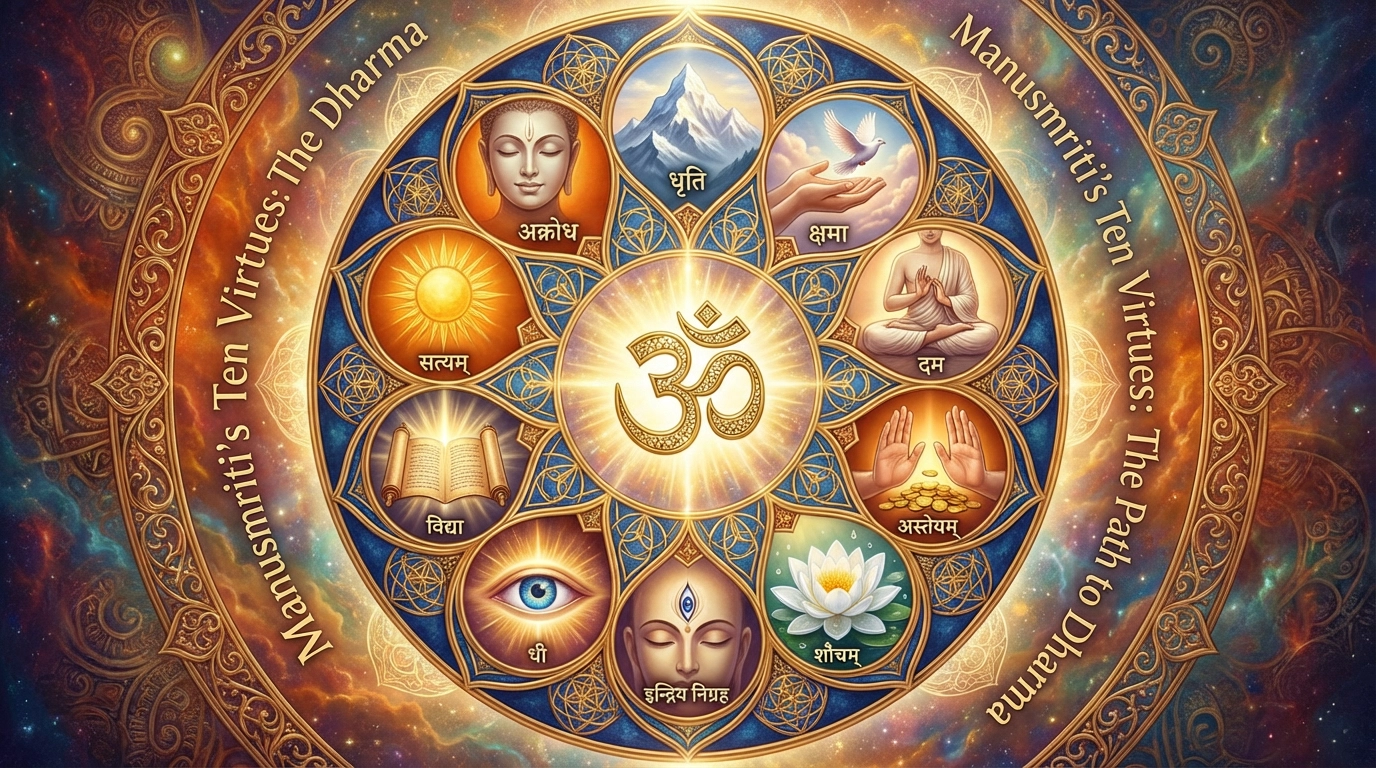
The Manusmriti is this big deal in Hindu Dharma Shastra, one of those key texts that goes beyond just one culture or time period. Its principles seem timeless, like they apply no matter where or when you are. Compiled into about 2700 verses over 12 chapters, and supposedly composed by Swayambhuva Manu, it lays out a whole setup for living righteously.
- Understanding Dharma: The Foundation of Righteous Living
- The Ten Universal Virtues of Manusmriti
- 1. Dhriti (धृति) – Steadfastness and Patience
- 2. Kshama (क्षमा) – Forgiveness
- 3. Dama (दम) – Self-Control
- 4. Asteyam (अस्तेयम्) – Non-Stealing
- 5. Shaucham (शौचम्) – Purity
- 6. Indriya Nigraha (इन्द्रिय निग्रह) – Sense Control
- 7. Dhi (धी) – Spiritual Intelligence
- 8. Vidya (विद्या) – True Knowledge
- 9. Satyam (सत्यम्) – Truthfulness
- 10. Akrodhah (अक्रोधः) – Freedom from Anger
- The Relevance of These Virtues in Modern Times
- Living Dharma: A Practical Framework
- The Universal Nature of These Teachings
- Conclusion: Building a Life of Virtue
Understanding Dharma: The Foundation of Righteous Living
Before delving into the ten virtues, it is necessary to comprehend the definition of Dharma in Manusmriti. The word Dharma can be translated as “righteous living” or “duty” but it is much more complex than that. It symbolizes the natural order of the world and the code of conduct that should be followed in accordance with this order.
Manusmriti describes three interrelated categories of Dharma:
1. Svadharma (Personal Duty)
This pertains to one’s personal duties according to natural talents, life situations, and individual level of development. It acknowledges that each individual has his/her own set of talents and duties to perform in life.
2. Sanatana Dharma (Eternal Spiritual Path)
This is the universal spiritual aim of all humanity-the attainment of divine love and spiritual awareness that goes beyond all social divisions.
3. Sadharana Dharma (Universal Moral Code)
These are the basic moral codes that apply to all individuals, irrespective of their background, status, or life situations. The ten virtues belong to this category.
The Ten Universal Virtues of Manusmriti
The sacred verse from Manusmriti 6:92 declares:
“Steadfastness, forgiveness, self-restraint, non-stealing, purity, control of sense-organs, application of intellect, self-knowledge, truthfulness, and freedom from anger-these constitute the tenfold aspects of virtue.”
Let’s explore each of these profound principles and their relevance to contemporary life:
1. Dhriti (धृति) – Steadfastness and Patience

Dhriti represents unwavering determination and the ability to remain patient through challenges. In our fast-paced world where instant gratification is the norm, this virtue teaches us the power of persistence and long-term commitment.
Modern Application:
Staying committed to your goals despite temporary setbacks
Maintaining consistency in spiritual practices or personal development
Building resilience in the face of adversity
Trusting the process rather than demanding immediate results
True success in any endeavor-whether spiritual growth, professional achievement, or personal relationships-requires steadfastness. Great achievements are never accomplished overnight; they are the result of patient, consistent effort over time.
2. Kshama (क्षमा) – Forgiveness
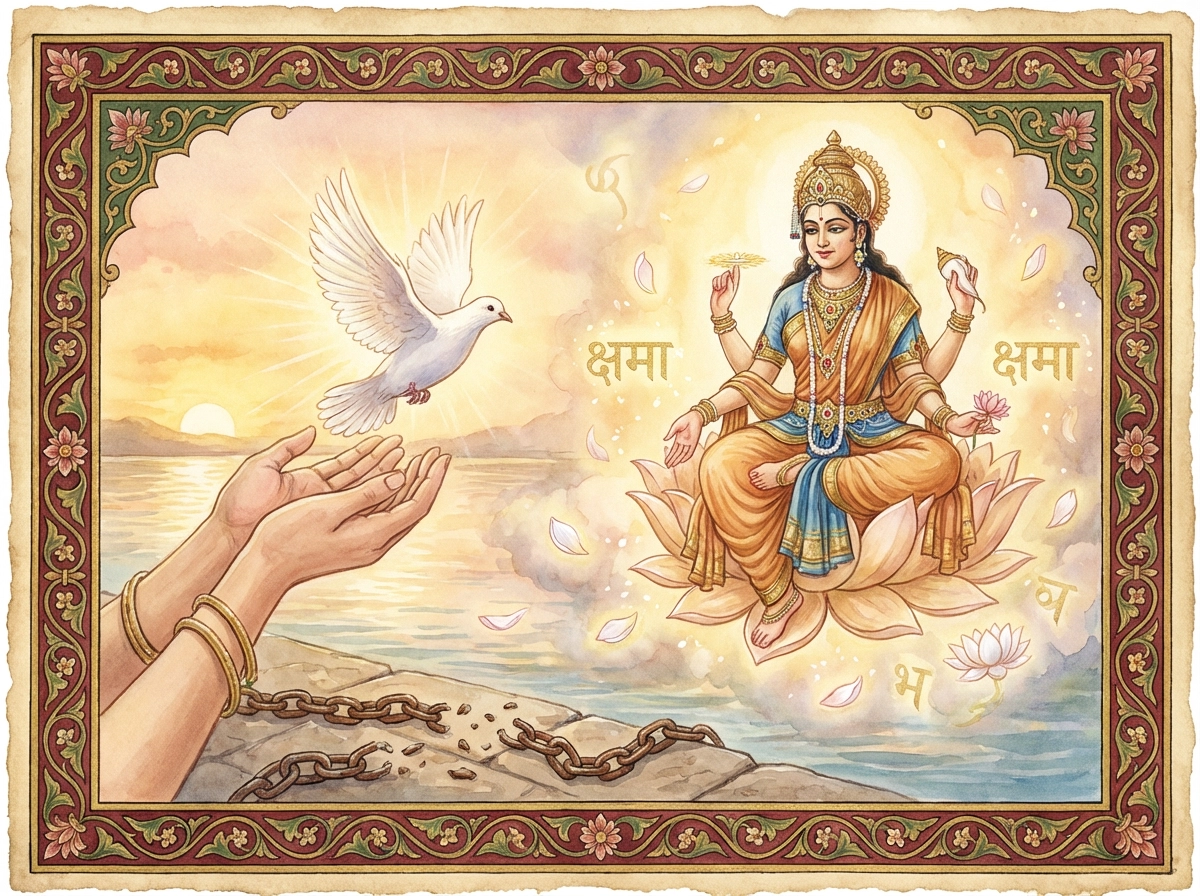
Kshama is the profound ability to forgive-to release resentment and approach others with compassion. According to Manusmriti, forgiveness purifies the heart and prevents anger from festering into hatred.
Modern Application:
Letting go of grudges that drain your emotional energy
Understanding that forgiveness benefits the forgiver more than the forgiven
Breaking cycles of revenge and retaliation in relationships
Freeing yourself from karmic burden
Exotic India Art notes: “When we forgive, we free ourselves from karmic burden and allow peace to return within. To forgive is to heal; to hold on is to suffer.”
3. Dama (दम) – Self-Control

Dama refers to mastery over the mind and senses. It advocates for “simple living and high thinking”-using one’s higher intelligence to pursue spiritual and meaningful goals rather than becoming enslaved by sensory pleasures.
Modern Application:
Practicing mindful consumption in an age of materialism
Avoiding overindulgence in food, entertainment, or digital media
Maintaining focus on long-term goals rather than short-term gratifications
Developing discipline in thoughts, words, and actions
Self-control doesn’t mean suppression but rather intelligent direction of one’s energies toward what truly matters.
4. Asteyam (अस्तेयम्) – Non-Stealing
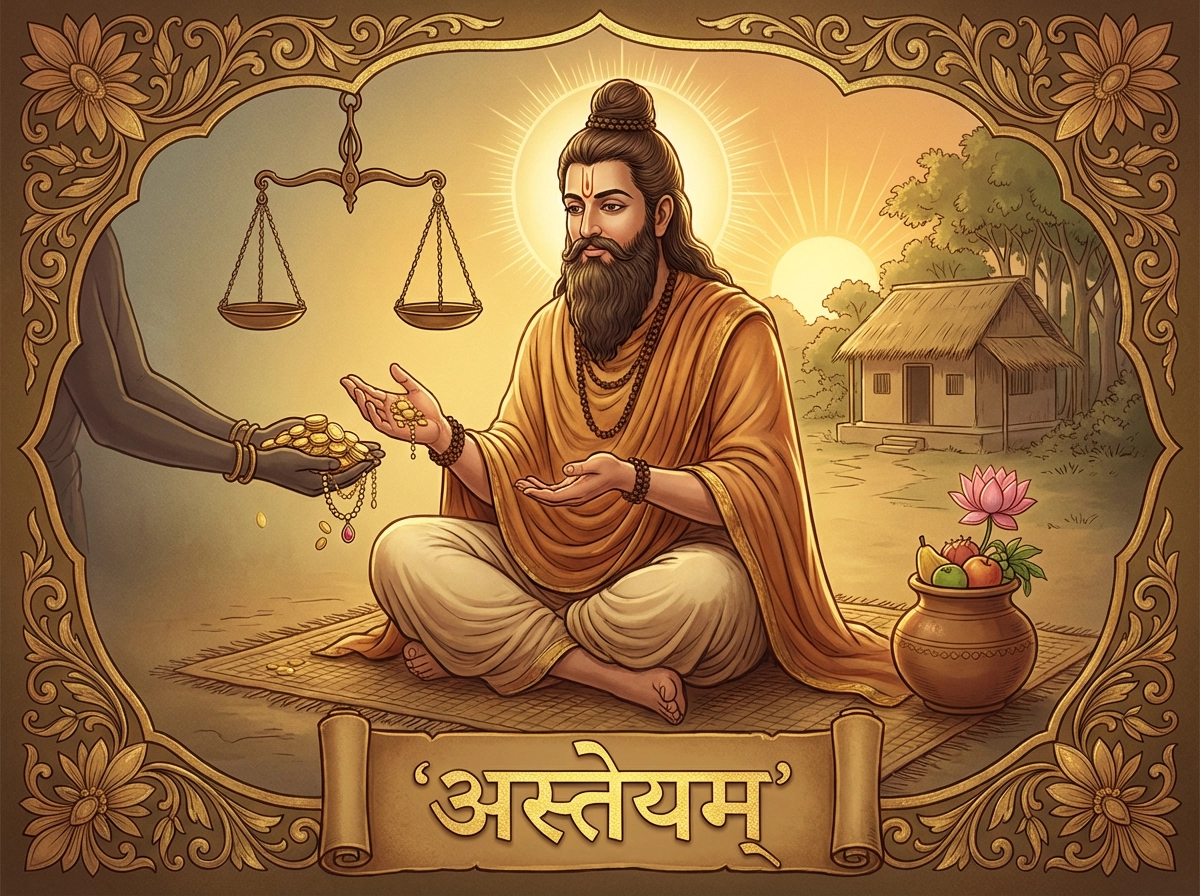
Asteyam goes beyond simply not taking what belongs to others. It encompasses a broader principle of non-greed and living within one’s means without coveting excessive material possessions.
Modern Application:
Maintaining integrity in business and personal dealings
Resisting the temptation to accumulate unnecessary possessions
Respecting others’ intellectual property and ideas
Not exploiting resources beyond what is rightfully yours
A dharmic person maintains integrity even when facing material struggles, understanding that honest living brings lasting prosperity and divine grace.
5. Shaucham (शौचम्) – Purity
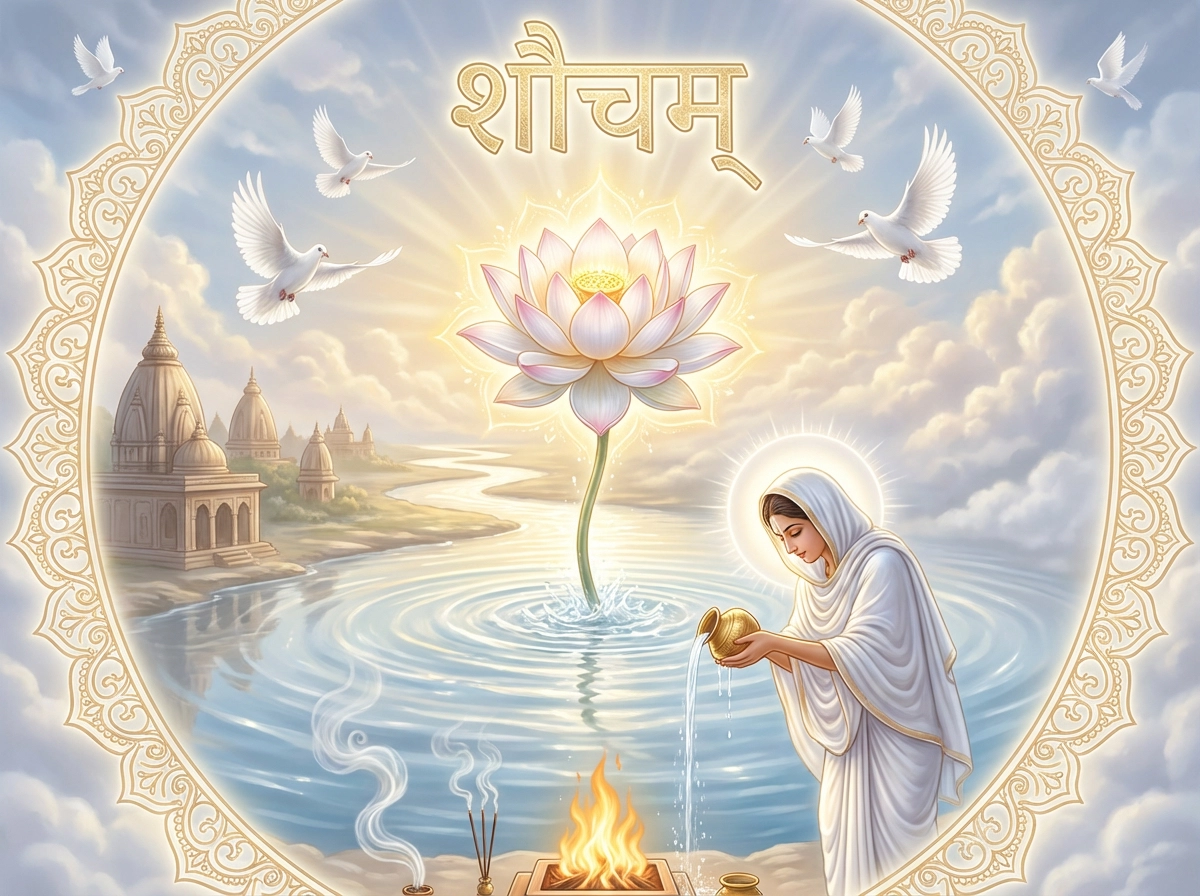
Shaucham represents cleanliness of body, mind, and speech. This holistic concept of purity extends far beyond physical hygiene to encompass mental clarity and verbal integrity.
Modern Application:
Maintaining physical health through cleanliness and proper habits
Cultivating mental purity by controlling thoughts and focusing on positive goals
Speaking truthfully and avoiding gossip, slander, or harmful speech
Creating pure environments in your home and workplace
External purity reflects and reinforces internal purity, creating a harmonious existence.
6. Indriya Nigraha (इन्द्रिय निग्रह) – Sense Control
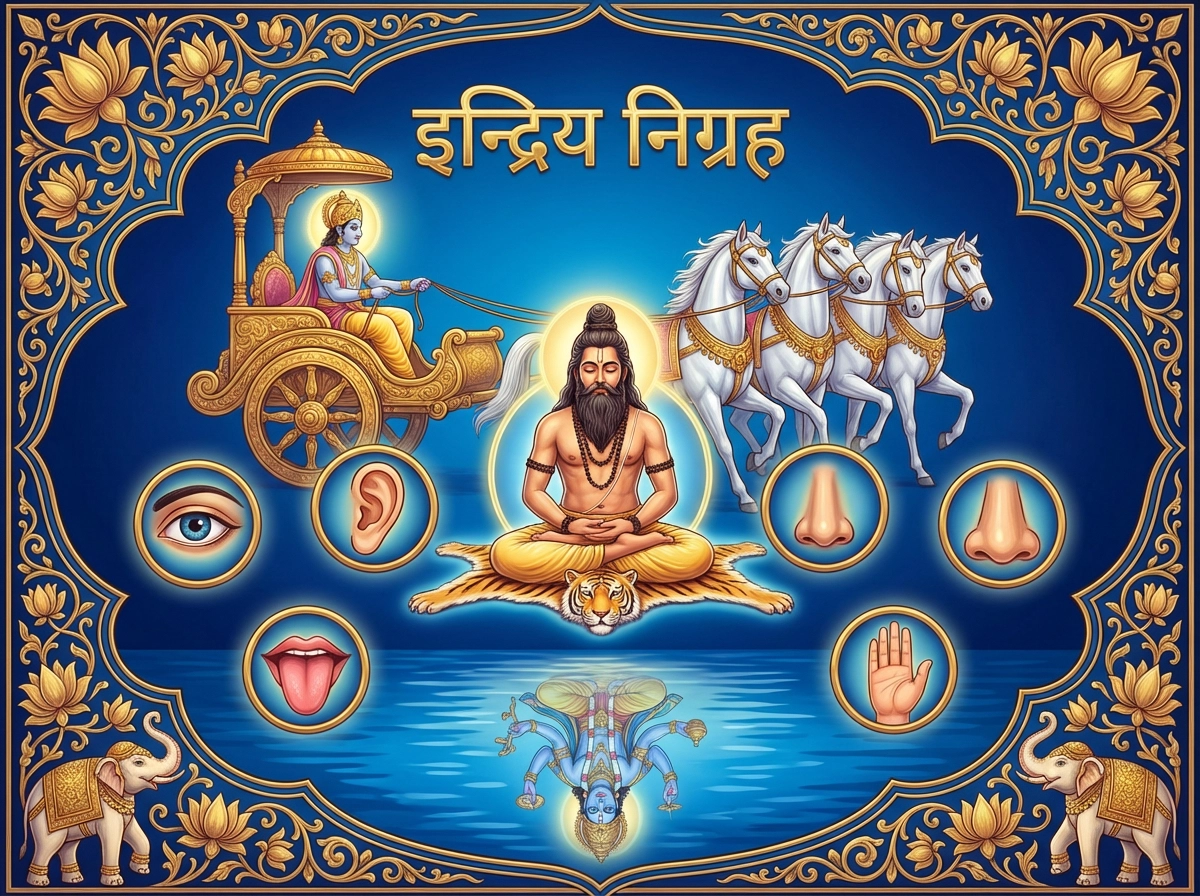
Indriya Nigraha means mastery over one’s senses. When the senses are controlled, the mind becomes a trusted ally; when uncontrolled, they lead to frustration and dissatisfaction.
Modern Application:
Practicing digital detox in an overstimulated world
Moderating consumption of media, food, and sensory experiences
Developing mindfulness through meditation and conscious living
Choosing quality experiences over quantity
The text teaches: “Master the senses before they master you.” Through disciplined practice, one gains clarity and freedom from compulsive behaviors.
7. Dhi (धी) – Spiritual Intelligence

Dhi signifies the ability to discern right from wrong using higher wisdom. The Bhagavad Gita uses the metaphor of a chariot where intelligence is the driver, the mind is the reins, and the senses are the horses.
Modern Application:
Making ethical decisions based on wisdom rather than impulse
Seeking guidance from mentors and sacred texts
Reflecting deeply before taking important actions
Developing critical thinking skills grounded in values
Corrupted intelligence leads to a weak mind vulnerable to illusion. Strengthening spiritual intelligence through study, reflection, and association with wise individuals is essential.
8. Vidya (विद्या) – True Knowledge
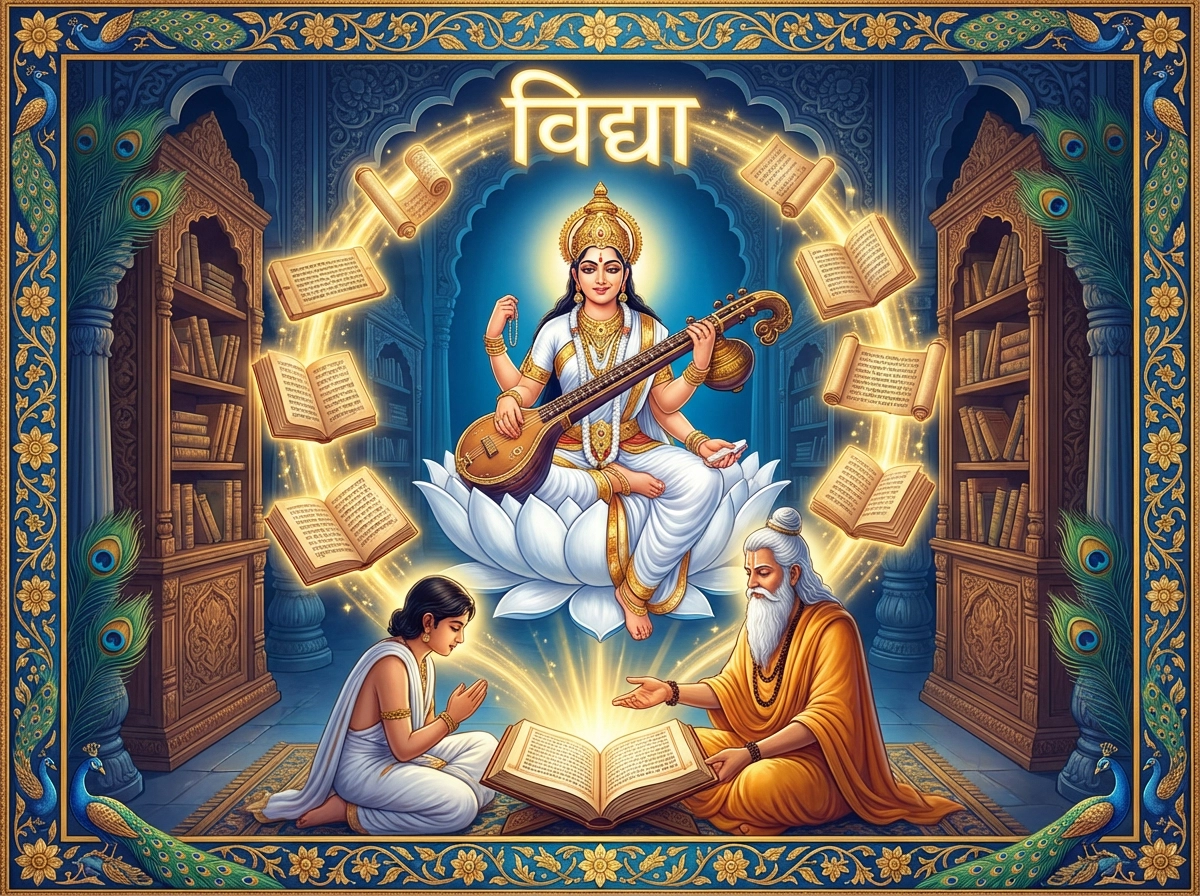
Vidya represents authentic knowledge-both material and spiritual. It comes from the systematic study of scriptures and the application of wisdom to life.
Modern Application:
Pursuing education that serves both practical and spiritual goals
Studying philosophical and spiritual texts alongside professional learning
Seeking knowledge that answers life’s fundamental questions
Applying learned wisdom to daily living
True knowledge dispels doubts, cuts through attachments, and reveals the ultimate purpose of human existence.
9. Satyam (सत्यम्) – Truthfulness
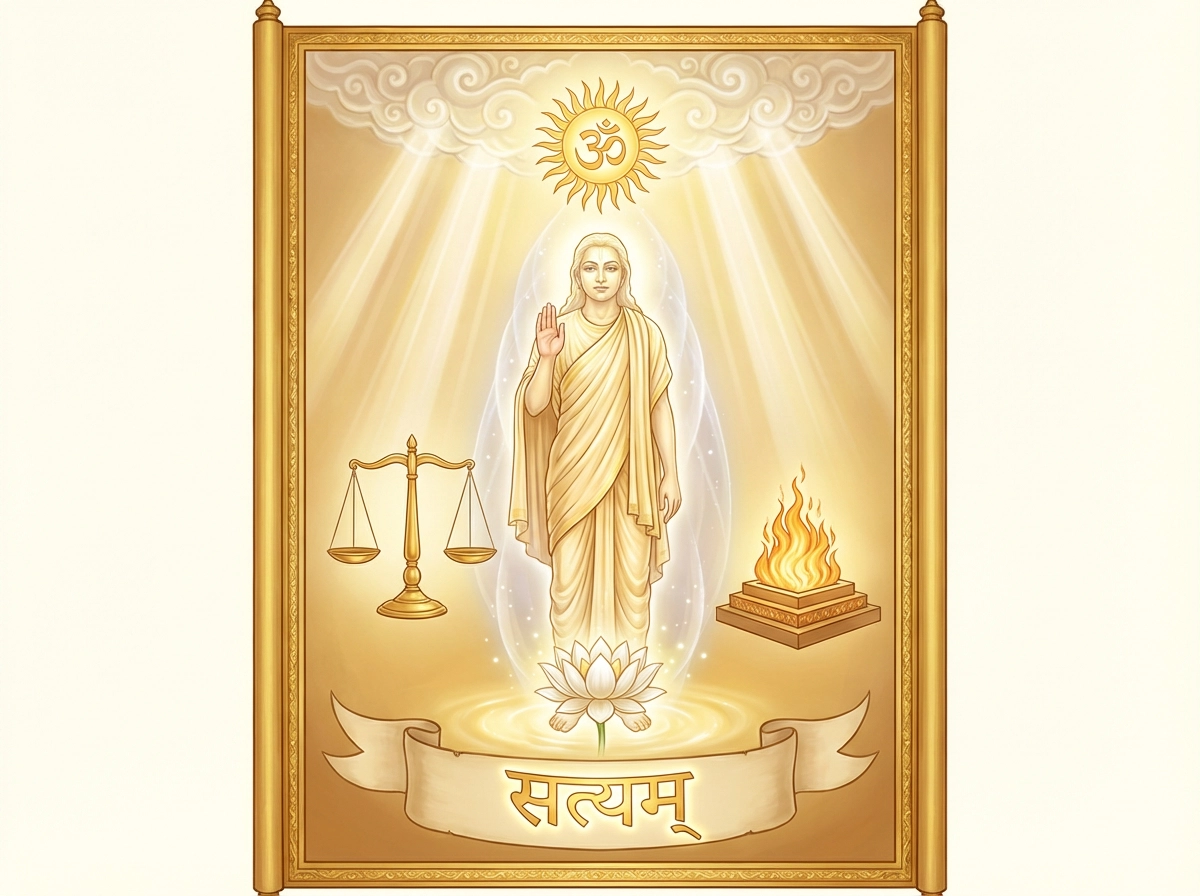
Satyam embodies honesty in thought, word, and deed. It is considered one of the pillars upon which the current age (Kaliyuga) rests.
Modern Application:
Being honest in all communications and transactions
Maintaining integrity even when dishonesty seems advantageous
Speaking truth that is beneficial and kind, not harsh or harmful
Aligning your actions with your words and beliefs
Truthfulness builds trust, strengthens relationships, and creates a solid foundation for spiritual advancement.
10. Akrodhah (अक्रोधः) – Freedom from Anger

Akrodhah is control over anger, described in the Bhagavad Gita as one of the three gates to hell (along with lust and greed). Anger destroys discernment and leads to poor decisions.
Modern Application:
Developing emotional regulation techniques
Practicing patience and tolerance when provoked
Understanding the root causes of anger (often unmet expectations)
Responding thoughtfully rather than reacting impulsively
Even when faced with provocation, cultivating tolerance and remaining calm preserves your inner peace and wisdom.
The Relevance of These Virtues in Modern Times
You might wonder: how can principles from an ancient text remain relevant in our complex, technologically advanced world? The answer lies in the timeless nature of human challenges.
While our circumstances have changed dramatically-from bullock carts to electric vehicles, from handwritten letters to instant messaging-the fundamental struggles of the human condition remain constant:
Finding balance between ambition and contentment
Managing emotions like anger, greed, and desire
Maintaining integrity in the face of temptation
Cultivating meaningful relationships built on trust and forgiveness
Seeking purpose beyond material success
These ten virtues provide a moral compass for navigating modern challenges:
In Professional Life:
Leadership with integrity (Satyam and Asteyam)
Resilience during setbacks (Dhriti)
Ethical decision-making (Dhi and Vidya)
Emotional intelligence (Akrodhah and Kshama)
In Personal Relationships:
Forgiveness and healing (Kshama)
Self-control in conflicts (Dama and Indriya Nigraha)
Honest communication (Satyam)
Patience with loved ones (Dhriti)
In Spiritual Development:
Consistent practice (Dhriti)
Mental purity (Shaucham)
Wisdom seeking (Vidya)
Self-mastery (Indriya Nigraha)
Living Dharma: A Practical Framework
The Manusmriti warns: “Dharma verily destroys one who destroys it; it is dharma again, which protects one who protects it. Hence one should take care not to deviate from dharma; if not it is sure to destroy him.” (Manusmriti 8:15)
This is not meant as a threat but as a natural law-violating ethical principles inevitably leads to suffering, while living in harmony with them brings protection and peace.
How to Begin Cultivating These Virtues:
1. Start with Self-Awareness
Honestly assess which virtues you already embody
Identify areas where you struggle most
Observe patterns in your thoughts and behaviors
2. Focus on One Virtue at a Time
Choose one virtue to work on for a month
Set specific, measurable goals
Journal your progress and challenges
3. Create Supporting Habits
Meditation for sense control and mental purity
Regular study of spiritual texts for wisdom
Association with like-minded individuals
Daily reflection on your actions
4. Be Patient with Yourself
Character development is a lifelong journey
Setbacks are opportunities for learning
Celebrate small victories
Remember: steadfastness (Dhriti) applies to self-improvement too
5. Integrate with Modern Tools
Use apps for meditation and mindfulness
Set digital boundaries for sense control
Create accountability systems
Apply these principles in your professional and personal life
The Universal Nature of These Teachings
While rooted in Hindu philosophy, these ten virtues resonate with ethical teachings across cultures and religions:
Buddhism emphasizes similar principles through the Noble Eightfold Path
Christianity teaches virtues like forgiveness, truthfulness, and self-control
Islam emphasizes patience (Sabr), truthfulness (Sidq), and self-purification
Stoic philosophy advocates for self-control, wisdom, and emotional mastery
This universality suggests that these virtues tap into fundamental truths about human flourishing that transcend cultural boundaries.
Conclusion: Building a Life of Virtue
The ten virtues of Manusmriti offer more than moral guidelines-they provide a comprehensive system for human development that addresses body, mind, and spirit. In a world characterized by rapid change, uncertainty, and information overload, these ancient principles serve as anchors of stability and sources of genuine fulfillment.
Dharma reminds us that true success isn’t measured solely by material accumulation or social status, but by the quality of our character and the depth of our wisdom. It teaches that happiness comes not from controlling external circumstances but from mastering our internal responses.
By cultivating these ten virtues-steadfastness, forgiveness, self-control, non-stealing, purity, sense mastery, intelligence, knowledge, truthfulness, and freedom from anger-we align ourselves with natural law and create the conditions for lasting peace, meaningful relationships, and spiritual growth.
The journey of a thousand miles begins with a single step. Choose one virtue today. Study it deeply. Practice it consistently. Watch as your life gradually transforms from the inside out.
As the Manusmriti teaches, when we protect Dharma, Dharma protects us. The choice, as always, is ours.



Comments