

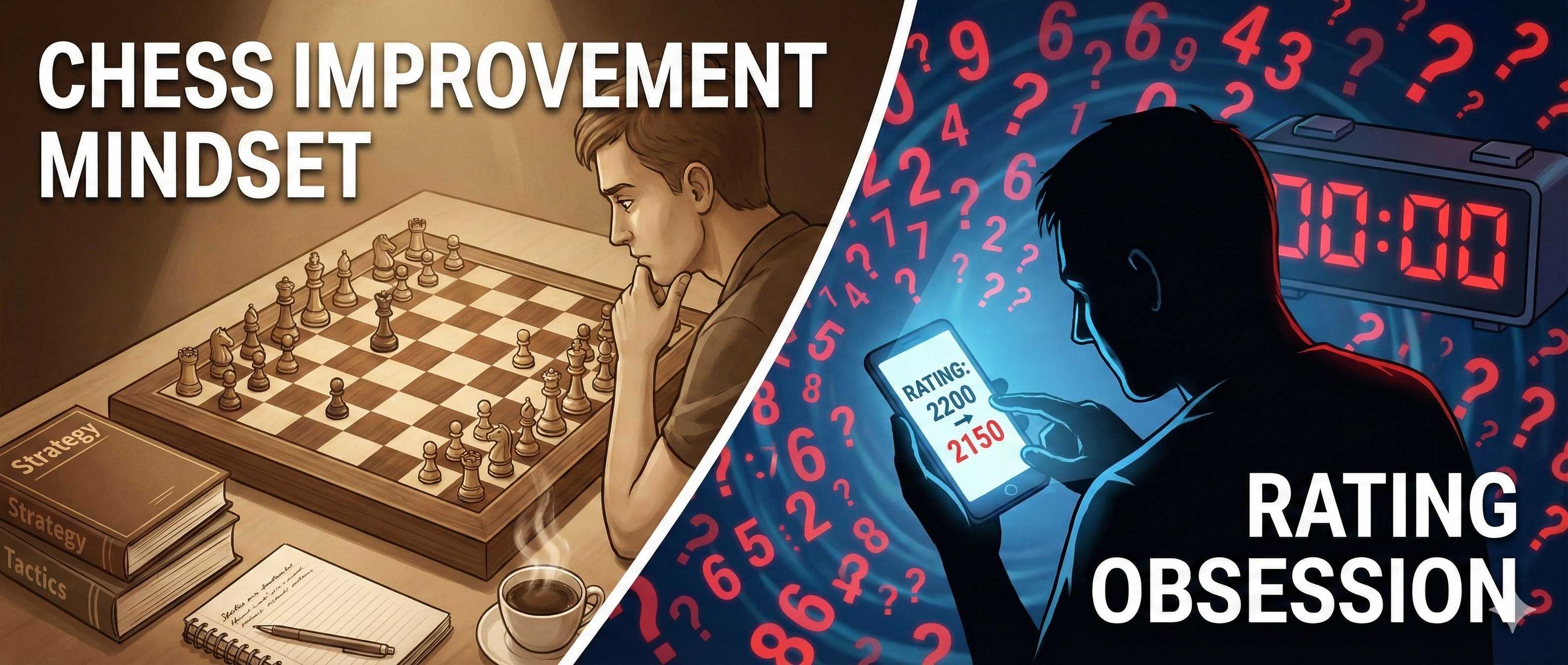
Mindset, In today’s competitive chess environment, many players measure their progress with a single number. That three to four digit number is the chess rating. While ratings are useful as a reference, becoming too attached to them can quietly slow down real improvement.
At Enthuziastic, we believe chess is not only about winning games but also about developing the right mindset, emotional balance, and learning habits that last a lifetime.
- Why chess players become obsessed with ratings?
- How rating obsession affects confidence and improvement?
- The importance of learning mindset over result-based thinking
- Practical strategies to focus on skill development instead of rating
- Emotional control and patience in long-term chess growth
- Integrating chess mindset lessons into education
- The role of coaches, parents, and educators in shaping mindset
- Chess as a lifelong learning tool
- Final thoughts
- Frequently asked questions
- 1. Is focusing on rating always harmful in chess
- 2. How can beginners avoid rating pressure
- 3. Does a learning mindset really improve ratings
- 4. How often should players check their rating
- 5. Can chess mindset lessons help in academics
- 6. How can parents support children emotionally in chess
- 7. Is emotional control more important than talent in chess
Why chess players become obsessed with ratings?

A chess rating feels like proof of intelligence, effort, and success. For many players, especially students and young learners, it becomes a personal identity rather than just a measurement.
Ratings feel like validation
When a player’s rating goes up, it feels rewarding. Friends, coaches, and parents notice it. When it goes down, self-doubt enters quickly. This emotional connection makes ratings powerful but also dangerous if not handled correctly.
Many players start thinking:
My rating defines my skill.
A loss means I am getting worse.
A lower-rated opponent should be easy to beat.
These thoughts increase pressure and reduce enjoyment.
Social comparison increases pressure
Online platforms like chess.com, lichess.org, school tournaments, and academies constantly display ratings. Players compare themselves with classmates, teammates, and even strangers. This comparison shifts focus away from learning and towards proving superiority.
Instead of asking “what did I learn from this game,” players start asking “why is my rating not improving.”
Fear of losing replaces love for learning
When rating becomes the main goal, fear quietly takes over the game. In chess psychology, this is a well-known trap where numbers begin to matter more than learning. Players start protecting their rating instead of improving their skills. As a result, they avoid experimenting, shy away from creative ideas, and hesitate to take necessary risks. Playing strong opponents feels threatening, even though it is one of the fastest ways to grow.
This fear-driven mindset changes decision-making at the board. Instead of choosing the best move, players choose the safest one. Safe moves feel emotionally comfortable, but they are often strategically inferior. Chess psychology explains that fear narrows thinking and reduces objectivity, making players overly cautious and predictable. Over time, this habit weakens calculation skills, limits positional understanding, and slows overall progress.
When fear dominates, losses feel personal rather than educational. Players begin to equate rating with self-worth, which increases anxiety and frustration. This emotional pressure blocks curiosity and confidence, two essential elements of improvement. Real growth in chess comes from testing ideas, accepting mistakes, and learning through discomfort.
A healthier psychological approach focuses on development rather than numbers. Chess psychology encourages players to treat rating as feedback, not identity. When learning becomes the priority, fear fades, creativity returns, and genuine improvement follows naturally.
How rating obsession affects confidence and improvement?
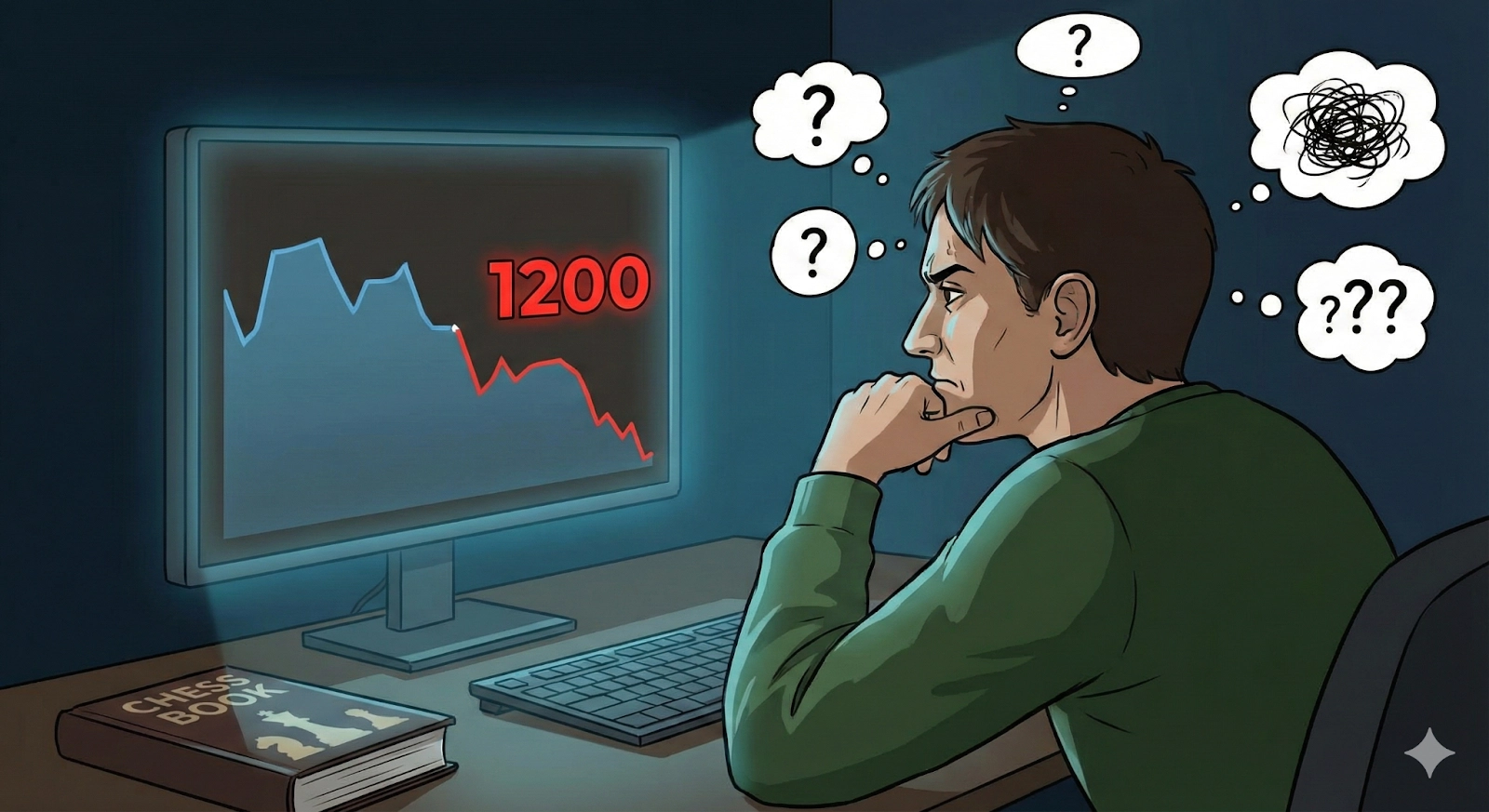
Chess improvement depends on curiosity, mistakes, and reflection. Rating obsession works against all three.
Mistakes feel personal, not educational
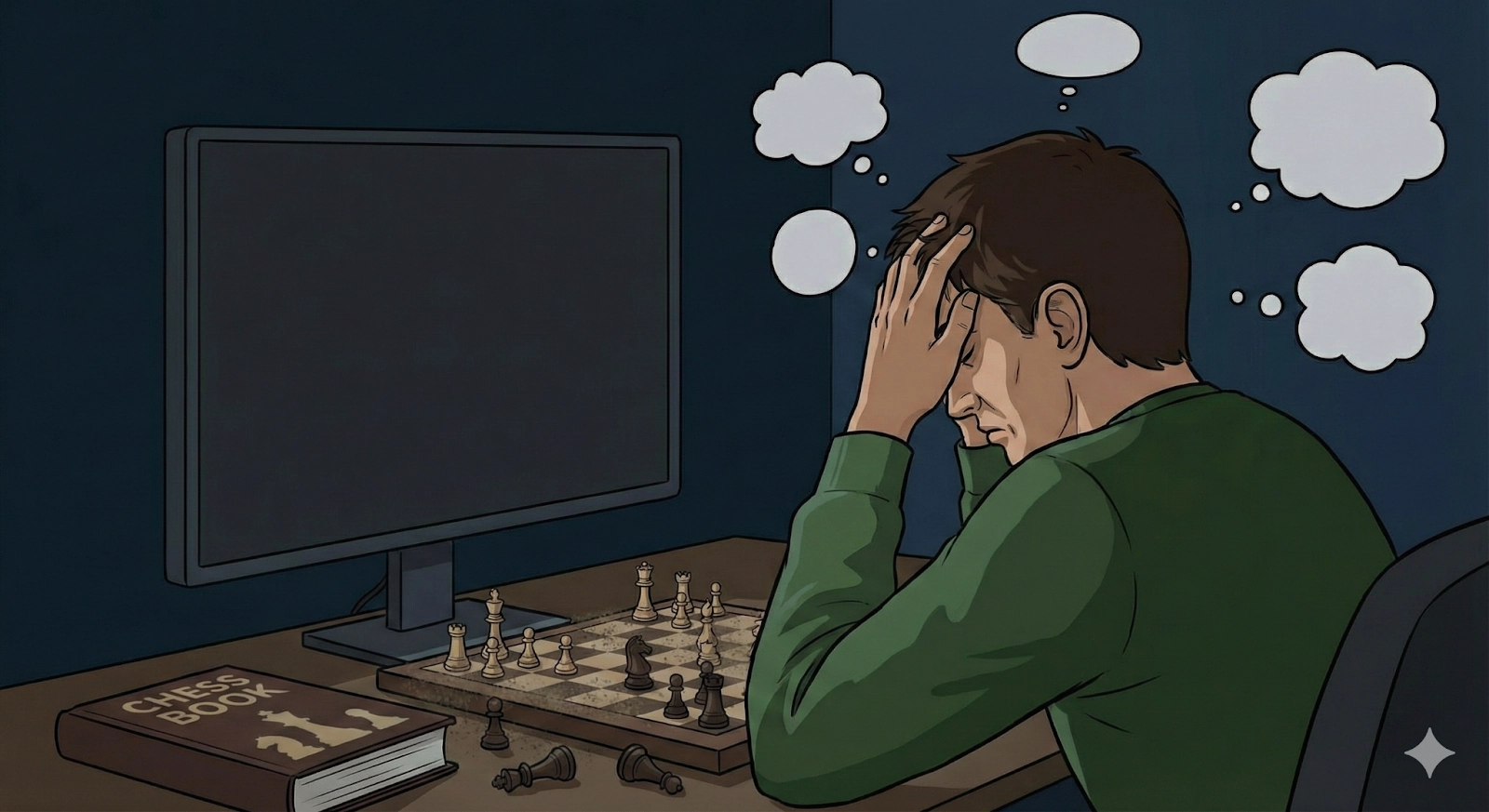
Mistakes are necessary for improvement. But when players are focused only on results, every mistake feels like failure. This creates frustration and sometimes anger during games.
Players may:
Stop analyzing their losses
Blame opponents or luck
Lose confidence after one bad tournament
This emotional reaction prevents honest self-assessment.
Short-term thinking replaces long-term growth
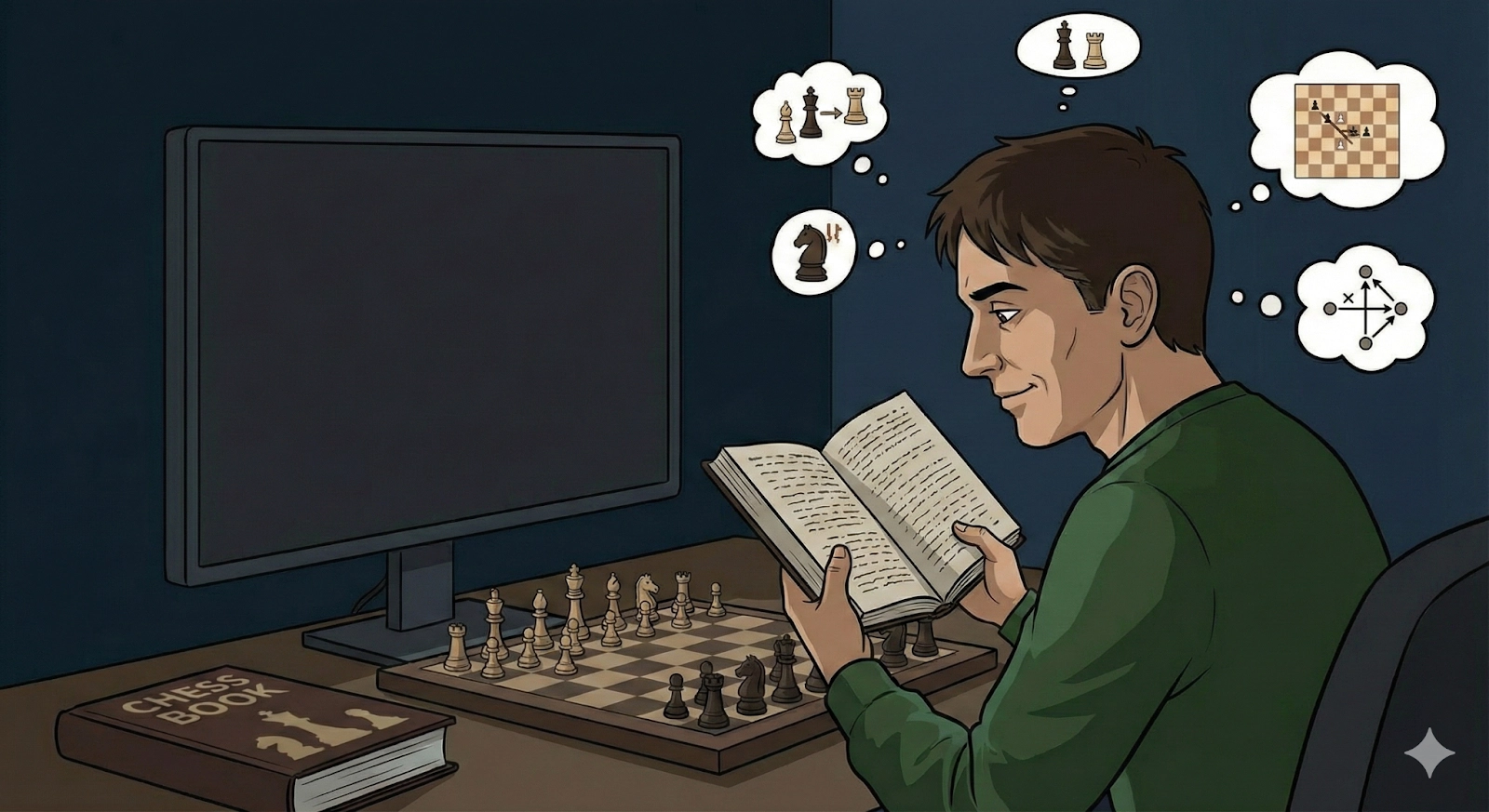
Rating-focused players often chase quick wins. They memorise traps instead of understanding positions. They play fast to protect rating rather than think deeply.
While this may give short-term results, it limits long-term strength. True improvement comes from understanding ideas, not protecting numbers.
Confidence becomes unstable
Confidence built solely on ratings is fragile and unstable. In chess psychology, this type of confidence is known to rise and fall constantly because it depends entirely on external results. One strong tournament can create overconfidence, leading players to underestimate opponents or ignore weaknesses in their play. On the other hand, one bad game or a small losing streak can severely damage motivation and self-belief. When confidence is tied only to numbers, emotional balance becomes difficult to maintain.
Chess psychology explains that outcome-based confidence places players on an emotional roller coaster. Wins inflate the ego, while losses feel like personal failure. This mindset increases pressure during games because every move seems to threaten one’s rating and self-image. As a result, players become anxious, cautious, or overly aggressive, all of which reduce decision-making quality. Instead of focusing on the position, the mind becomes occupied with consequences.
A learning-based mindset creates far more stable confidence. In chess psychology, this approach shifts focus from results to process. Players judge their performance based on effort, understanding, and improvement rather than wins and losses. Even after a defeat, confidence remains intact because the player can identify lessons and progress. This stability allows players to stay calm under pressure and approach games with clarity.
Learning-based confidence also encourages experimentation and resilience. Players are more willing to try new ideas, play stronger opponents, and recover quickly from mistakes. Chess psychology shows that this mindset leads to long-term growth because it aligns confidence with controllable factors. When confidence is rooted in preparation, discipline, and understanding, it becomes consistent, reliable, and resistant to short-term setbacks.
The importance of learning mindset over result-based thinking
A learning mindset focuses on long-term improvement rather than immediate success. In chess psychology, this mindset changes how players experience wins, losses, and challenges. Wins become opportunities to understand what worked well, not reasons for overconfidence. Losses are treated as feedback instead of failure, allowing players to learn without emotional stress. Challenges are seen as necessary steps in growth rather than obstacles to avoid. Chess psychology shows that when players value effort, understanding, and progress, they remain motivated and emotionally stable. This approach builds resilience, curiosity, and consistent improvement, helping players grow stronger and more confident over time.
Wins become feedback, not proof
With a learning mindset, a win is not just success. It is feedback. Players ask:
Did I follow good principles?
Did I manage time well?
Did I stay calm under pressure?
This reflection keeps improvement consistent.
Losses become lessons, not setbacks
Losses provide the most valuable lessons. When players stop fearing losses, they analyse positions honestly and identify weaknesses. This mindset reduces emotional stress and builds maturity.
Progress becomes visible beyond ratings
Improvement is not always reflected immediately in rating. Better calculation, improved endgame play, or stronger decision-making may not show in numbers right away. A learning mindset helps players recognise progress that ratings cannot show instantly.
Practical strategies to focus on skill development instead of rating
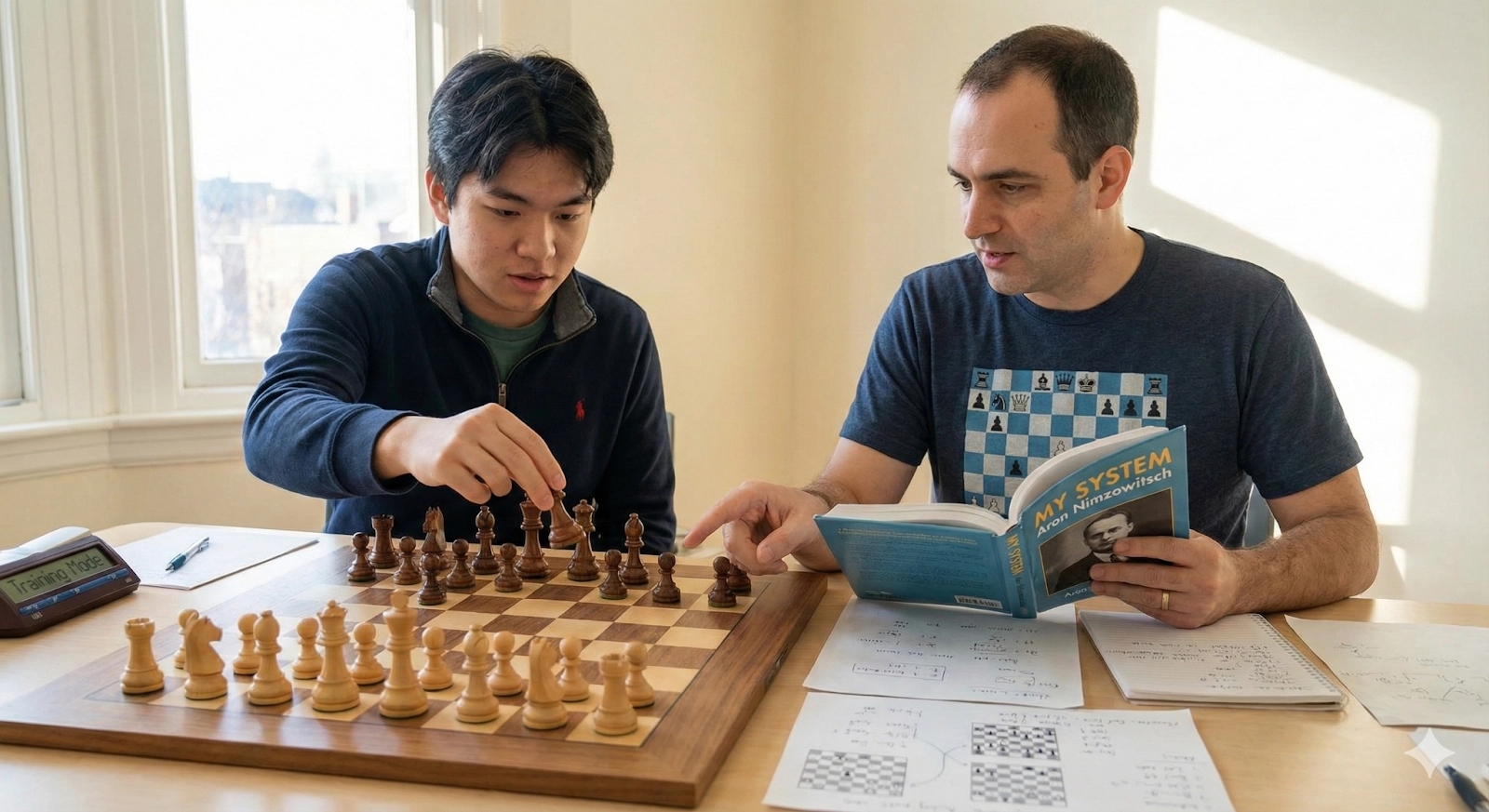
Changing mindset requires conscious effort. Here are practical strategies that players and students can apply.
Set learning goals, not rating goals
Instead of aiming for a specific rating, focus on skill-based goals such as:
Improving opening understanding
Reducing blunders
Managing time better
Playing endgames confidently
These goals are within your control and lead to natural rating improvement over time.
Analyse games without emotional bias
After each game, analyse calmly. Avoid emotional judgments like “I played badly.” Instead, focus on specific moments:
Where did the plan go wrong?
Was the calculation correct?
Did emotions affect decisions?
This approach builds objectivity.
Play stronger opponents regularly
Avoiding stronger players to protect rating slows growth. Playing stronger opponents exposes weaknesses and accelerates learning. Losing to a strong player is often more educational than beating a weaker one.
Limit rating checks
Constantly checking ratings increases anxiety. Fix specific times to review progress, such as once a month. Between those periods, focus only on practice and learning.
Emotional control and patience in long-term chess growth
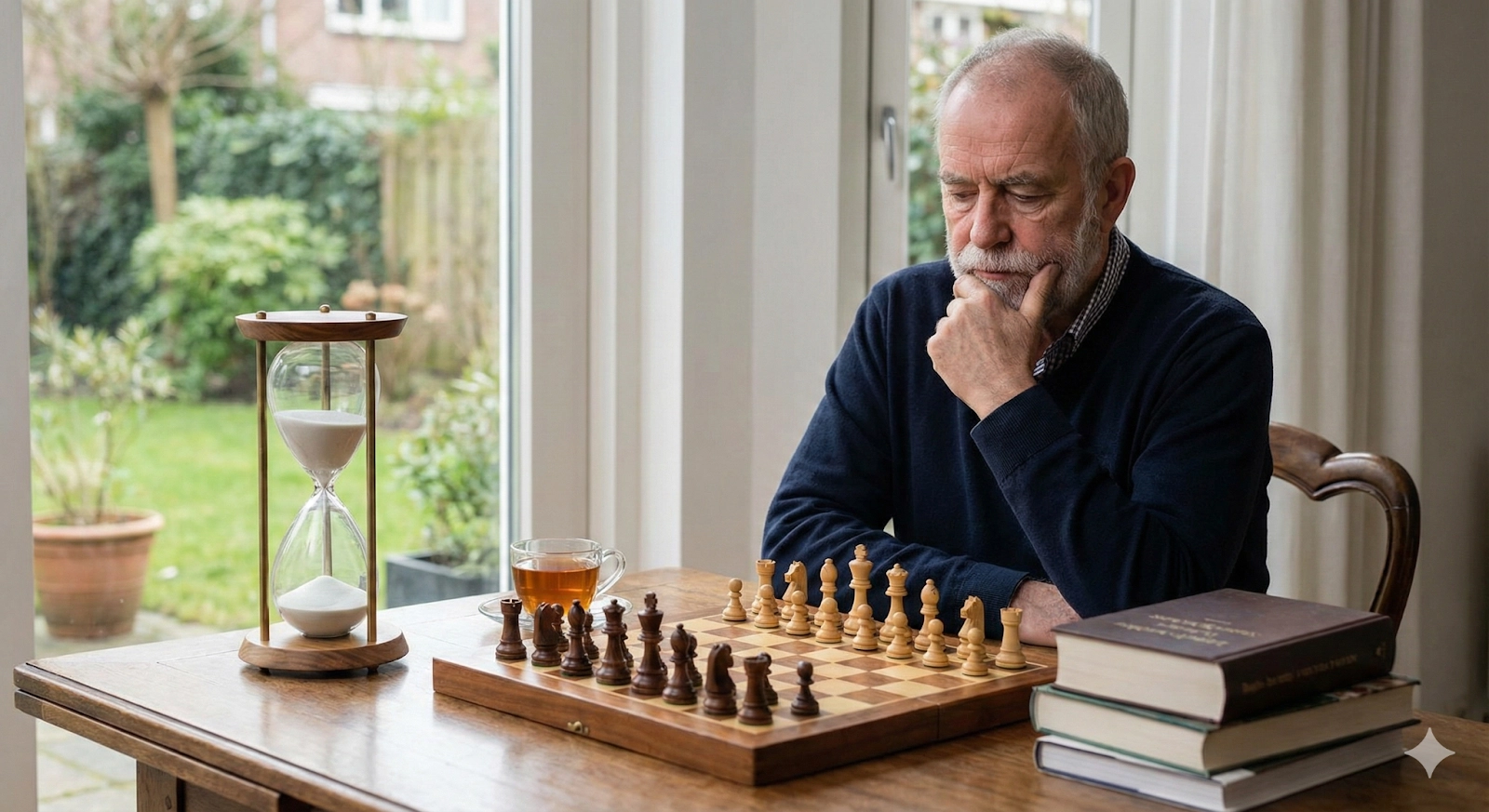
Chess is deeply emotional. Learning to manage emotions is as important as learning openings or tactics.
Staying calm during difficult positions
A calm mind sees more possibilities. Panic causes rushed moves. Players who practice emotional control handle pressure better, especially in tournaments.
Simple habits help:
Deep breathing during tense moments
Sitting still after mistakes
Focusing on the next best move, not the previous error
Patience builds stronger decisions
Many players lose games because they want quick results. Patience helps players improve slowly but steadily. Strong chess is built move by move, tournament by tournament.
Emotional maturity improves consistency
Players with emotional maturity recover faster from losses. They do not carry frustration into the next game. This consistency is a key difference between average and strong players.
Integrating chess mindset lessons into education
Chess mindset lessons are valuable beyond the board. At Enthuziastic, we see chess as a life skill tool, especially in education.
Building critical thinking in students
Chess teaches students to:
Think before acting
Evaluate multiple options
Predict consequences
These skills are essential for academics, problem-solving, and leadership.
Teaching resilience and patience
Students learn that effort matters more than instant success. Losing a game does not mean failure. It means learning. This lesson helps students face exams, competition, and challenges confidently.
Encouraging focus and discipline
Chess improves attention span and discipline. Students learn to sit, think, and plan. These habits support classroom learning and personal growth.
Creating a safe learning environment
When schools focus on learning rather than ranking students, children feel safe to try, fail, and improve. Chess supports this culture naturally when taught with the right mindset.
Building a healthy chess journey through awareness and balance
One of the most important lessons in chess improvement is understanding that growth is not always visible immediately. Many players expect fast results, especially when they practice regularly. When these results do not show up in ratings, frustration builds. This is where awareness and balance play a crucial role in maintaining a healthy chess journey.
A balanced chess routine includes learning, playing, resting, and reflecting. Players who only focus on playing rated games often miss the deeper learning process. Studying classical games, solving puzzles, and reviewing one’s own mistakes calmly are equally important. These activities strengthen understanding and confidence, even if ratings remain the same for some time.
Awareness also means recognising emotional patterns. Some players perform well when relaxed but struggle when expectations rise. Others lose motivation after a series of losses. By observing these patterns, players can work on emotional discipline instead of blaming external factors. This self-awareness is a powerful step towards maturity in chess.
Another important aspect is trusting the process. Chess improvement does not follow a straight line. There are phases where progress feels slow, followed by sudden jumps in understanding and performance. Players who remain patient during slow phases often achieve stronger and more stable improvement in the long run.
At Enthuziastic, we encourage learners to view chess as a journey, not a race. When players stop chasing instant results, they start enjoying the thinking process. This enjoyment brings curiosity, and curiosity leads to deeper learning.
The role of coaches, parents, and educators in shaping mindset
The mindset of a chess player is not developed alone. Coaches, parents, and educators play a strong role in shaping how learners view success and failure.
Coaches who focus only on results may unknowingly increase pressure. On the other hand, coaches who highlight learning moments, good decisions, and effort help players develop confidence and independence. Feedback that is calm, specific, and constructive builds trust and motivation.
Parents also influence mindset deeply, especially for young players. When parents ask only about wins or ratings, children feel performance pressure. When parents ask what their child learned or enjoyed, children feel supported. This small change in communication makes a big difference in emotional development.
Educators who integrate chess into learning environments can use it as a tool to teach life skills. Chess teaches students that success comes from preparation, patience, and thoughtful decision-making. These lessons apply not only to the game but also to academics and personal growth.
By creating an environment where effort is valued more than outcome, adults help learners build resilience. This resilience prepares students to face challenges confidently, both on the chessboard and in real life.
Chess as a lifelong learning tool
Chess does not end with tournaments or ratings. Many people continue playing chess throughout their lives because it keeps the mind active and engaged. When players shift focus from numbers to learning, chess becomes a lifelong companion rather than a stressful competition.
For students, chess builds habits that support future success. These include critical thinking, emotional balance, patience, and self-reflection. For adults, chess offers mental exercise, stress relief, and continuous learning.
By adopting a healthy mindset early, players protect their love for the game. They learn to enjoy improvement, accept setbacks, and celebrate effort. This approach not only improves chess performance but also builds strong character.
Final thoughts
Chess improvement is not controlled by ratings alone, no matter how loudly numbers try to convince people otherwise. In chess psychology, true progress is shaped by mindset, emotional control, patience, and a genuine willingness to learn. Ratings reflect past performance, not current potential, yet many players treat them as a measure of intelligence or worth. This misunderstanding creates unnecessary pressure and distracts from real improvement.
A healthy mindset plays a central role in chess psychology. Players who focus on learning remain calm during games and objective during analysis. Instead of panicking after mistakes, they concentrate on finding the best move in the position. Emotional control allows players to handle blunders, time pressure, and losses without mental collapse. When emotions are managed, decision-making stays clear and consistent, even in difficult situations.
Patience is another key factor. Chess improvement is slow and often uncomfortable. Chess psychology shows that players who accept this process develop stronger foundations than those who chase quick results. They are willing to repeat endgame studies, analyze losses deeply, and play challenging positions that stretch their understanding. This patience builds depth and resilience over time.
Rating obsession may provide temporary motivation, pushing players to study harder or avoid mistakes. However, this motivation is fragile. When results dip, confidence and enthusiasm often disappear. Chess psychology explains that outcome-based motivation increases anxiety and limits creativity. Players become cautious, predictable, and afraid to take necessary risks.
Long-term growth comes from focusing on skills and understanding. When improvement becomes the goal, ratings improve naturally as a byproduct. Chess psychology encourages players to value preparation, reflection, and adaptability. By shifting attention away from numbers and toward learning, players build lasting confidence, stronger decision-making skills, and a deeper connection to the game.
At Enthuziastic, we believe chess should develop strong thinkers, not just higher ratings. By shifting attention from numbers to learning, players and students can enjoy chess more and grow with confidence, clarity, and resilience.
Frequently asked questions
1. Is focusing on rating always harmful in chess
No, ratings are useful as a reference. The problem begins when rating becomes the only measure of success and learning is ignored.
2. How can beginners avoid rating pressure
Beginners should focus on understanding basics, enjoying games, and learning from mistakes rather than tracking ratings closely.
3. Does a learning mindset really improve ratings
Yes. When skills improve naturally, ratings usually follow over time without stress.
4. How often should players check their rating
It is better to check ratings occasionally, such as monthly, instead of after every game.
5. Can chess mindset lessons help in academics
Yes. Chess builds critical thinking, patience, focus, and resilience, which are useful in studies and exams.
6. How can parents support children emotionally in chess
Parents should praise effort and learning, not just wins or ratings. This builds confidence and motivation.
7. Is emotional control more important than talent in chess
Talent helps, but emotional control and discipline play a bigger role in long-term success.

Comments