

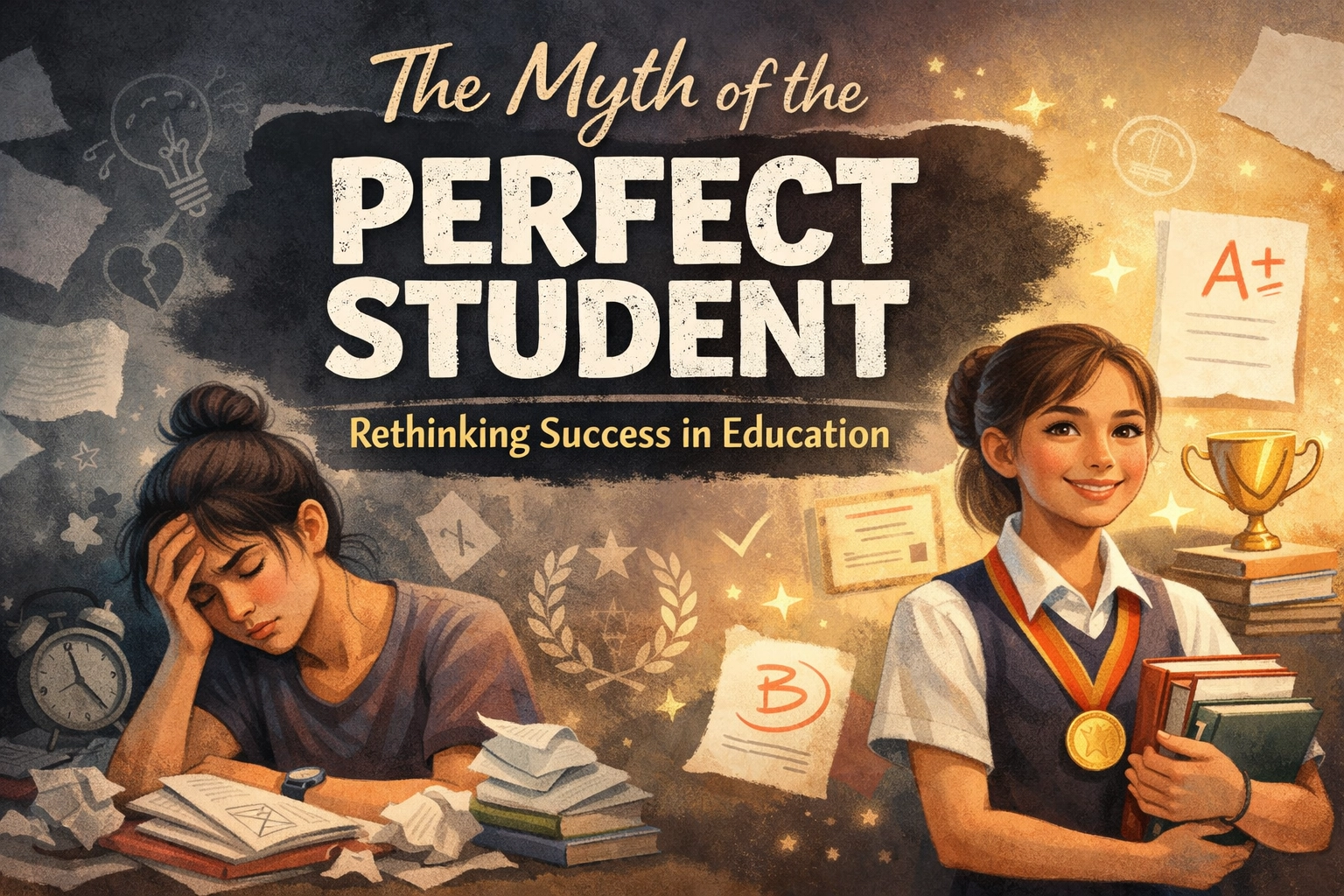
PERFECT STUDENT is a phrase that sounds admirable but carries a quiet weight that many students are never taught how to carry. It suggests flawlessness, consistency, discipline, and emotional control all rolled into one ideal image. In reality, this image is less a goal and more a myth that has slowly shaped how students view learning, success, and themselves.
The idea of the perfect student usually begins early. Good grades are rewarded with praise, attention, and comparison. Students quickly learn that achievement brings approval, while mistakes bring disappointment. Over time, this creates a narrow definition of worth. A student is seen as “good” only when they perform well. Anything less feels like failure.
Schools often reinforce this unintentionally. High scorers are celebrated publicly. Toppers become role models. Errors are corrected quickly, sometimes without kindness. Failure is treated as something to avoid rather than something to understand. Parents, driven by concern and societal pressure, may compare children to peers, believing pressure leads to improvement. Social media amplifies this even further by showcasing achievements without showing the struggle behind them.
What is rarely discussed is what being “perfect” feels like from the inside. Many students who appear successful live with constant fear. Fear of disappointing parents. Fear of falling behind. Fear of being exposed as not good enough. They hesitate to ask questions, avoid taking risks, and push themselves past healthy limits. Rest feels undeserved. Joy becomes conditional.
Where The Myth Comes From
The myth is built slowly and quietly. It starts with praise that focuses only on outcomes: marks, ranks, medals, and comparisons. Students who perform well are rewarded with attention and approval, while others are subtly made to feel inadequate. Over time, students learn that being valued means being flawless.
Schools often reinforce this unintentionally. Toppers are celebrated publicly. Mistakes are corrected quickly, sometimes harshly. Failure is treated as something to fix, not something to learn from. Parents, driven by fear and good intentions, may compare children to peers or siblings, believing pressure equals motivation.

But the myth doesn’t stop there. It seeps into everyday language. Phrases like “You can do better,” “This is not your best,” or “Look at their marks” slowly teach students that effort without visible success is not enough. Even well-meaning encouragement can turn into pressure when results become the only benchmark.
Competitive systems deepen this belief. Limited seats, rankings, cut-offs, and constant assessments create an environment where students are always being measured. When learning turns into a race, there is no space to pause, struggle, or explore. Falling behind feels dangerous, not normal.
Teachers, often overburdened and bound by rigid systems, may unintentionally reward obedience and speed over understanding. Students who raise doubts, take time, or think differently are labeled distracted or weak. Slowly, students learn that fitting the mould is safer than being curious.
Social media adds fuel to the fire. Highlight reels of achievements make it seem like everyone else is doing better, coping better, and succeeding faster. Certificates, acceptance letters, study routines, and “productive days” are posted without the anxiety, breakdowns, or exhaustion behind them. The imperfect moments remain hidden, making normal struggle feel like personal failure.
Culturally, success stories are often told without context. We celebrate outcomes, not processes. Hard work is glorified, but rest is questioned. Emotional struggles are dismissed as excuses. This teaches students that pain is part of success and silence is strength.
Over time, all these messages blend into one dangerous belief: a good student does not struggle, does not fail, and does not slow down. And once this belief settles in, students stop seeing learning as growth and start seeing it as survival.
That is how the myth of the perfect student is born. Not overnight, not intentionally, but consistently. And by the time students realize the cost, they are already exhausted.
What “Perfect Student” Actually Looks Like On The Inside
The so-called perfect student often lives with constant pressure that never really switches off. On the outside, the perfect student looks confident, disciplined, and in control. On the inside, they are busy calculating expectations. What will the teacher think? What will my parents say? What if I fall short this time?
The perfect student is afraid of disappointing others, but even more afraid of disappointing themselves. They hesitate to ask questions in class because questions might expose confusion. Confusion does not fit the image of a perfect student. They avoid risks, new methods, or unfamiliar subjects because mistakes could crack the identity they have worked so hard to maintain.
For the perfect student, perfectionism slowly turns into a survival strategy. It is no longer about learning. It is about staying acceptable. Rest feels undeserved because rest has not been earned through achievement. Joy becomes conditional, allowed only after results arrive. Even pride feels temporary, because the next test, the next evaluation, the next comparison is always waiting.
The perfect student ties self-worth tightly to performance. A good score means relief, not happiness. A bad score feels like a personal failure, not a momentary setback. Over time, this creates a fragile sense of confidence that rises and falls with every outcome.
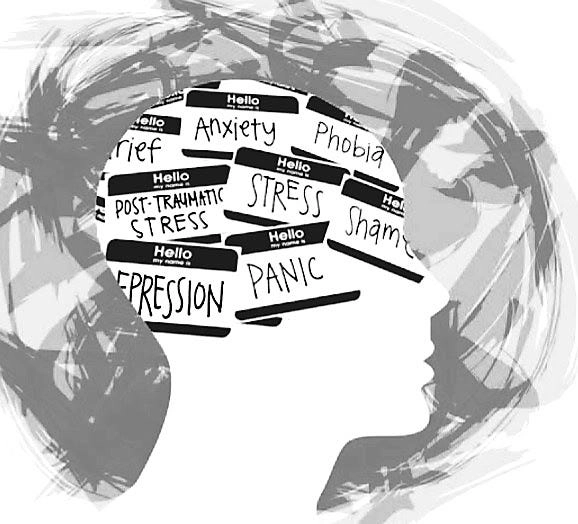
Living like this leads to anxiety, burnout, impostor syndrome, and emotional exhaustion. Many high-achieving students struggle silently because the perfect student is not supposed to struggle. Admitting stress feels like weakness. Asking for help feels like failure. So they smile, perform, and carry the weight alone.
Ironically, the perfect student is often the least supported emotionally. Teachers assume they are fine because they are doing well. Parents worry less because the results look good. Friends hesitate to check in because the perfect student seems strong. Their success becomes the reason their pain goes unnoticed.
Behind the label of a perfect student is usually a child or young adult who has forgotten how to be imperfect, curious, and human. And that is the quiet cost of perfection that no report card ever shows.
The Cost Of Chasing Perfection
When students believe they must be perfect, learning becomes fear-driven rather than curiosity-led. Every task feels like a test of worth. Curiosity fades because curiosity involves not knowing, and not knowing feels dangerous. Creativity shrinks because creativity involves risk, and risk threatens the image of being “good.” Students stop experimenting and start memorizing. They choose safe answers instead of honest ones, not because they lack ideas, but because safety feels smarter than sincerity.
Mistakes, which are essential for learning, become sources of shame. A wrong answer feels embarrassing rather than educational. Failure feels catastrophic instead of informative. Instead of asking for clarity, students may hide confusion, copy work, or avoid challenging subjects altogether. Learning turns into performance, not understanding.
This pressure also damages emotional health. Students live in a constant state of alertness, always preparing for the next evaluation. Small setbacks feel overwhelming. Confidence becomes fragile, dependent on validation. Over time, stress turns chronic. Burnout arrives early, sometimes before students even understand what they are exhausted from.
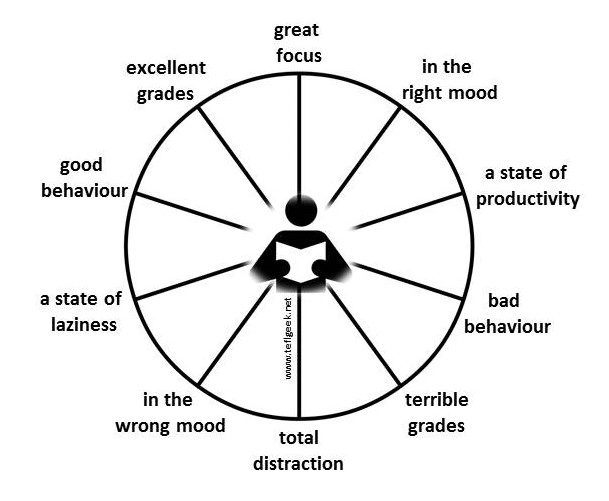
The cost shows up socially as well. Students chasing perfection may isolate themselves, believing they cannot afford distractions, friendships, or rest. They compare themselves constantly, never feeling enough because someone else is always doing better. Joy gets postponed to a future that keeps moving further away.
In the long run, this mindset follows students into adulthood. It creates adults who fear feedback because feedback feels like criticism. Adults who avoid change because change risks failure. Adults who tie their identity too closely to success and feel lost when achievements slow down.
Education is meant to prepare students for life, not just exams. Life is uncertain, messy, and full of trial and error. Perfectionism teaches the opposite. It teaches fear instead of resilience, avoidance instead of growth, and silence instead of self-awareness.
The real cost of chasing perfection is not just stress or burnout. It is losing the ability to learn freely, fail safely, and grow honestly.
There Is No Single Kind Of “Good” Student
Students are not machines built to produce grades, ranks, and certificates on command. They are complex humans with different strengths, learning styles, emotional needs, energy levels, and paces. Yet the education system often behaves as if there is one ideal mould, and anyone who does not fit into it must try harder to squeeze themselves in. This is where the myth of the perfect student quietly causes damage.
The perfect student is usually imagined as attentive, quick to understand, neat in presentation, emotionally controlled, and consistently high-performing. This image ignores a basic truth: human beings do not function in identical ways. Learning is not linear, and intelligence is not one-dimensional. Expecting every student to behave like a perfect student is unrealistic and unfair.
Some students are deeply curious but slow test-takers. They think carefully, question deeply, and connect ideas well, but struggle with time-bound exams. In a system obsessed with speed, these students are often labeled weak or inattentive, even though their understanding may be richer than that of the so-called perfect student.
Some students are highly creative but disorganized. They bring original ideas, unique perspectives, and imaginative solutions, yet struggle with structure, deadlines, or rote tasks. Instead of being guided, they are often corrected into silence. Creativity rarely fits the rigid image of a perfect student, so it is treated as a distraction rather than a strength.
Some students are disciplined and hardworking but anxious. They study regularly, complete tasks sincerely, and care deeply about doing well. But fear sits beside them constantly. One mistake can feel devastating. These students may look like a perfect student on paper, but emotionally they are exhausted. Their discipline is driven by fear, not confidence.
There are also students who struggle academically but show deep empathy, leadership, or resilience. They may not score the highest marks, but they support peers, navigate challenges with maturity, and handle failure with strength. These qualities matter in life, yet they rarely appear on report cards. In comparison to the perfect student, their value often goes unnoticed.
Then there are students who learn differently altogether. Neurodivergent students, students dealing with emotional distress, unstable home environments, health issues, or trauma are often judged by the same narrow standards. When they cannot perform like the perfect student, they are labeled lazy, careless, or problematic. The system rarely asks what support they need. It only asks why they are not keeping up.
None of these differences make a student less capable or less worthy. They make students human. The problem is not that students have flaws. The problem is that the system often refuses to make space for them. It rewards conformity over individuality and compliance over curiosity. Those who adapt to the system are praised as perfect students. Those who cannot are asked to change themselves.
This creates a dangerous hierarchy where students begin to measure their worth against an artificial standard. Many students grow up believing that unless they resemble a perfect student, they are failing. This belief damages confidence, discourages exploration, and limits growth.
Ironically, even the perfect student suffers under this system. They learn to suppress parts of themselves that do not fit the image. They learn to prioritise performance over wellbeing. They learn that being accepted requires constant proving. In trying to be the perfect student, they lose the freedom to be fully human.
Education should not be about producing one type of student. It should be about recognising many kinds of intelligence, effort, and growth. A truly effective system adapts to learners instead of forcing learners to adapt to it.
There is no single kind of good student. There never was. When we stop chasing the idea of the perfect student, we make room for learning that is inclusive, meaningful, and sustainable. And that is when students stop trying to survive education and start benefiting from it.
Redefining What Success Should Mean
Real success in education is not flawlessness. It is growth. Yet for years, success has been measured through narrow lenses: marks, ranks, percentages, and approval. This definition leaves little room for learning as a human process and pushes students toward becoming a perfect student instead of a developing one.
A successful student is not someone who never fails. A successful student is one who learns to think critically, reflect honestly, communicate clearly, and adapt when things do not go as planned. They are able to make mistakes without breaking down. They understand that failure is not a verdict on their intelligence but part of the learning process. This mindset stands in direct contrast to the pressure placed on the perfect student, who is taught to avoid failure at all costs.
True success includes the ability to ask for help. In many classrooms, asking questions is seen as weakness, something the perfect student does not need to do. But real learning begins with curiosity and confusion. A student who can say “I don’t understand yet” is practicing courage, not incompetence. This willingness to seek support builds resilience, self-awareness, and long-term confidence.
Effort matters more than comparison, but comparison has been normalized. Students are constantly ranked against peers, which teaches them to measure progress externally rather than internally. When success is defined as being better than someone else, growth becomes unstable. Someone will always score higher, move faster, or achieve more. The perfect student lives on this edge, constantly chasing validation. A growth-based definition of success frees students from this exhausting race.
When we redefine success as growth, students breathe easier. Learning becomes meaningful again, not just strategic. Students engage with ideas instead of memorizing answers. They take intellectual risks because mistakes are no longer punishable. Confidence becomes stable because it is rooted in effort and improvement, not fragile praise.
This shift also supports emotional wellbeing. Students who are allowed to grow instead of perform feel safer expressing doubts, stress, or confusion. They develop a healthier relationship with ambition. They work hard without tying their self-worth entirely to outcomes. Unlike the perfect student, whose confidence collapses with failure, a growth-oriented student learns how to recover.
Redefining success does not mean lowering standards. It means broadening them. Academic achievement still matters, but so do resilience, adaptability, curiosity, and emotional intelligence. These qualities prepare students not just for exams, but for life.
When education values growth over perfection, students stop trying to be perfect students and start becoming capable, confident humans. That is what real success should look like.
What Educators And Parents Can Do
Teachers and parents sit at the centre of the myth of the perfect student, often without realising the power they hold to either reinforce it or break it. While systems may be rigid and expectations heavy, small, intentional changes by adults can dramatically reshape how students experience learning.
Teachers play a powerful role in dismantling the idea that students must be perfect to be valued. The classroom is often where students first learn what “success” looks like. When praise is given only for high scores or correct answers, students absorb the message that results matter more than effort. Over time, this pushes them closer to the impossible standard of the perfect student.

Shifting this does not require dramatic reforms. Praising effort, improvement, and persistence teaches students that progress counts. A student who struggled but tried is learning something far more important than memorised perfection. When mistakes are normalised and treated as part of the learning process, fear reduces. Students begin to participate honestly instead of performing safely.
Creating classrooms where questions are welcomed is equally powerful. The perfect student is often silent, afraid to reveal confusion. When teachers openly value curiosity and doubt, students learn that not knowing is acceptable. This builds confidence that is rooted in understanding, not appearance.
Beyond academics, emotional check-ins matter. When teachers ask how students are feeling, not just how they are scoring, students feel seen as humans first. A child who feels emotionally safe is more open to learning, more willing to try, and more resilient after failure. This is not lowering standards. This is effective education.
Parents, too, have an enormous influence on how deeply the perfect student myth takes hold. Parents want the best for their children, but “best” is often confused with “perfect.” In trying to protect children from struggle, parents may unintentionally communicate that mistakes are unacceptable or that love depends on results.
Children need reassurance that their worth is not tied to marks. They need to know that respect, care, and pride remain even when performance drops. Without this reassurance, children internalise pressure and learn to hide their struggles to maintain the image of being a perfect student.
Rest is another critical message. When children are constantly pushed to do more, achieve more, and improve faster, they learn that rest is laziness. In reality, rest is essential for learning, emotional regulation, and creativity. Giving children permission to pause teaches them balance, not complacency.
Parents who focus on effort, curiosity, and wellbeing help children develop healthier relationships with learning. Instead of chasing comparison, children learn to value progress. Instead of fearing failure, they learn to reflect and adapt. Unlike the perfect student, whose confidence is fragile, these children grow into learners with stable self-belief.

Breaking the myth of the perfect student is a shared responsibility. When educators and parents work together to value growth over flawlessness, students no longer feel the need to perform constantly. They feel safe enough to learn, fail, and grow. And that is where real education begins.
Conclusion
The perfect student has always been an illusion. A polished idea built from marks, comparisons, and expectations, but never from reality. Behind every student is a human being learning not just subjects, but how to exist in a world that constantly asks for more.
When education chases perfection, it forgets its purpose. Learning becomes a performance, growth becomes pressure, and students begin to believe they are only as valuable as their results. In that race, curiosity fades, confidence fractures, and emotional wellbeing is quietly sacrificed.
But when we let go of the myth of the perfect student, something powerful happens. Students breathe. They ask questions without fear. They make mistakes without shame. They learn because they want to understand, not because they are afraid to fail.
Education should not demand flawlessness. It should offer safety, guidance, and room to grow. Students do not need to be perfect to be worthy. They need to be supported, understood, and allowed to be human.
When we choose growth over perfection, we raise learners who are not just successful on paper, but resilient in life. And that, quietly and deeply, is what education should have been about all along.
FAQs
1. What is meant by the “perfect student”?
The “perfect student” is an idealised image of a learner who always performs well, never makes mistakes, stays disciplined, and meets all expectations effortlessly. This image is unrealistic and ignores the emotional and human side of learning.
2. Why is the idea of a perfect student harmful?
The idea is harmful because it creates constant pressure, fear of failure, and anxiety. Students begin to tie their self-worth to performance instead of growth, which can lead to burnout and emotional exhaustion.
3. Do high-achieving students also suffer from this myth?
Yes. Many high-achieving students struggle silently because they feel they must maintain the image of being a perfect student. Their emotional needs are often overlooked because their results appear “fine.”
4. How does perfectionism affect learning?
Perfectionism turns learning into a fear-driven process. Students avoid risks, stop asking questions, and focus on memorising rather than understanding. This limits creativity and deep learning.
5. Is failure really important in education?
Absolutely. Failure is a natural and essential part of learning. It helps students reflect, adapt, and improve. Treating failure as shameful prevents real growth.
6. What should success in education actually look like?
Success should be measured by growth, effort, curiosity, and resilience. A successful student is one who can learn from mistakes, ask for help, and continue improving, not one who is flawless.
7. How can teachers help break the perfect student myth?
Teachers can praise effort over results, normalise mistakes, encourage questions, and check in emotionally with students. Creating a safe classroom environment reduces fear and supports genuine learning.
8. What role do parents play in this issue?
Parents shape how children view success. When parents focus only on marks, children feel pressured to be perfect. When parents value effort, wellbeing, and curiosity, children develop healthier learning habits.
9. Are students who struggle academically less capable?
No. Academic struggle does not mean lack of intelligence or potential. Many students who struggle show strengths in creativity, empathy, leadership, or resilience that traditional systems fail to recognise.
10. How can students protect themselves from perfectionism?
Students can focus on progress rather than comparison, allow themselves to make mistakes, ask for help when needed, and remember that their worth is not defined by grades. Learning is a process, not a performance.


Comments