
In India, we often see playing chess as a quiet game played by elderly uncles in the park or intense prodigies like Vishy Anand or Praggnanandhaa on television. We view it as a battle of intellect, a "smart person’s game." But have you ever stopped to wonder what is actually happening inside the minds of those players?
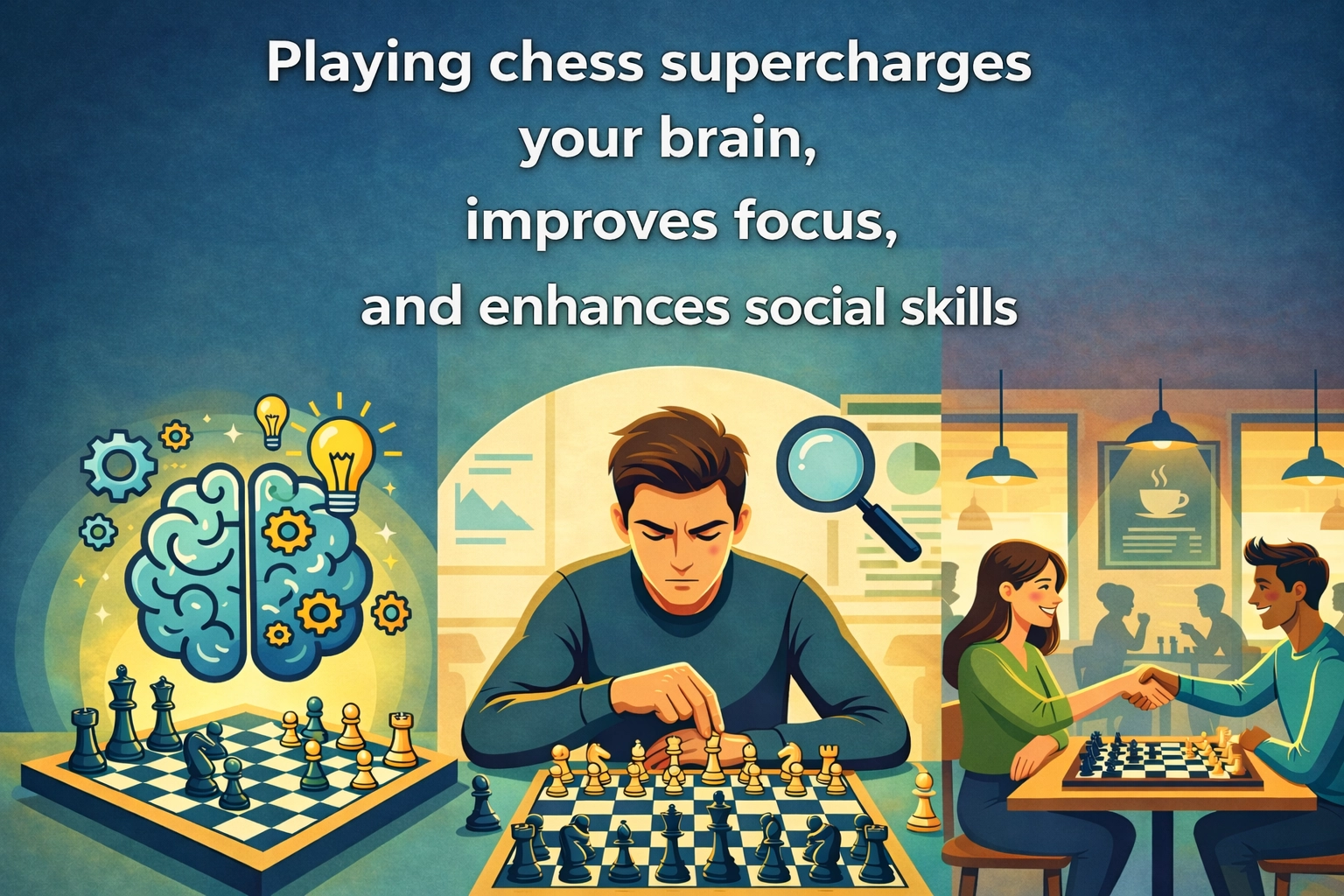
At Enthuziastic, we believe that learning goes far beyond textbooks and classrooms. We see chess not just as a 64-square board game, but as a complete gymnasium for the brain. It is one of the few activities that engages both the logical left hemisphere and the creative right hemisphere of the brain simultaneously.
Whether you are a student trying to improve your grades, a working professional looking to sharpen your decision-making, or a parent wanting to give your child a head start in life, chess offers benefits that spill over into every aspect of reality. It is not just about checkmating the King; it is about supercharging your mental battery and connecting with others in a profound way.
In this comprehensive guide, we will explore the fascinating science and psychology behind chess. We will look at how this ancient game acts as a catalyst for brain development, a training ground for focus, and a bridge for social skills.
- The gym for your mind: how chess boosts brain health
- The art of concentration: chess and the power of focus
- Beyond the board: building emotional resilience and patience
- The social side of the silent game
- Chess in education and child development
- Conclusion: your move towards a better brain
- Frequently Asked Questions (FAQs)
The gym for your mind: how chess boosts brain health
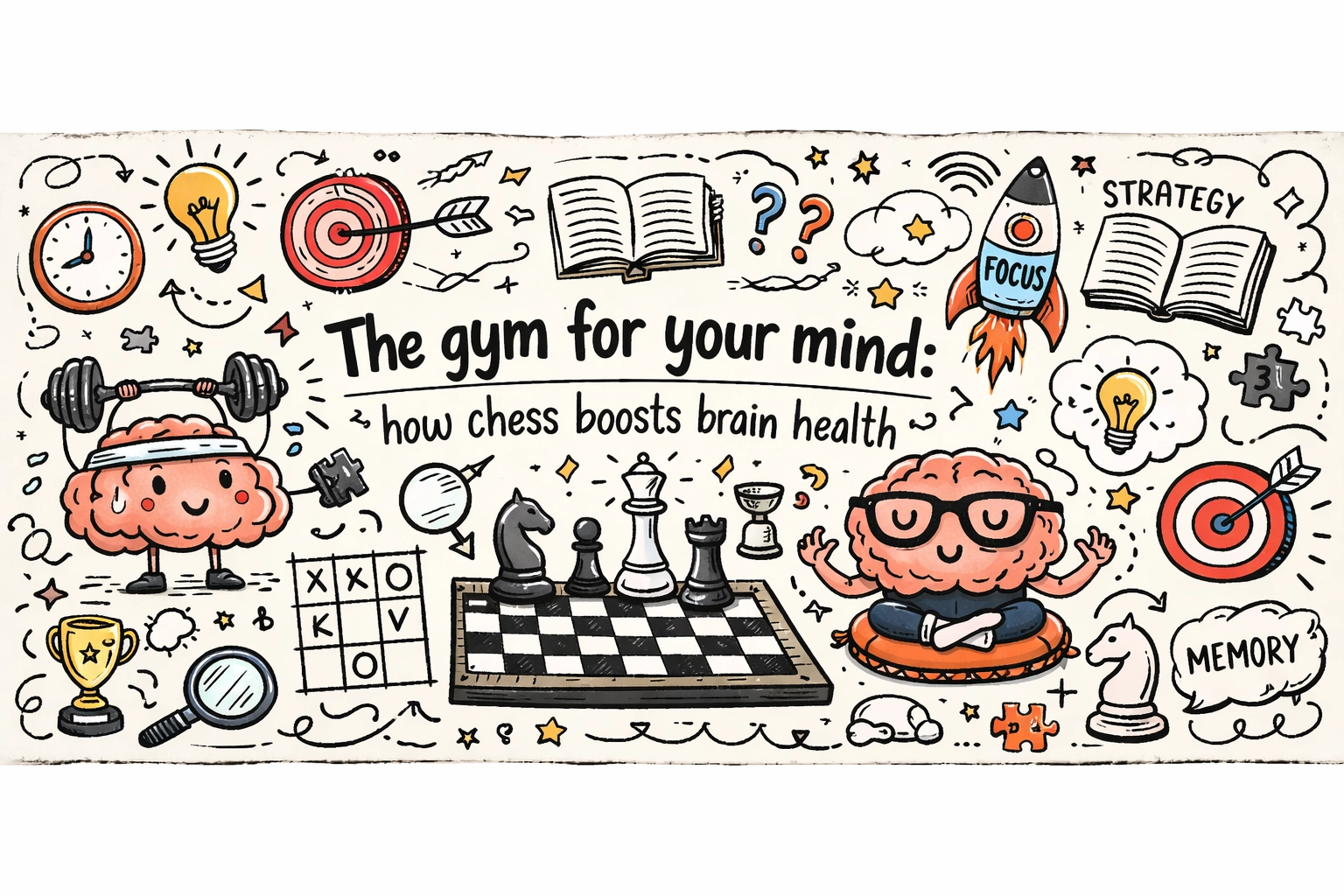
If you want to build biceps, you lift weights. If you want to build stamina, you run. But what do you do if you want to build a stronger, faster, and more resilient brain? You play chess.
The brain is like a muscle. The scientific term for this is "neuroplasticity" the brain's ability to reorganize itself by forming new neural connections. Every time you calculate a variation or remember a trap in the Ruy Lopez opening, you are essentially doing a "rep" for your brain.
Sharpening memory and recall power
One of the most immediate benefits of playing chess is a significant boost in memory. But it is not just about memorising openings; it is about "working memory."
Working memory is your brain's ability to hold and manipulate information in real-time. In a game of chess, you are constantly juggling multiple pieces of information:
"If I move my Knight to f3, his Bishop attacks my Queen."
"But wait, if he takes my Queen, I have a back-rank mate in two moves."
"Did he play h6 three moves ago to stop my Knight sacrifice?"
You are holding all these potential futures in your head simultaneously. This is a rigorous workout for the auditory and visual working memory. Studies have shown that expert chess players show exceptional recall abilities, not because they have photographic memories, but because they have trained their brains to recognise patterns. They don't see individual pieces; they see "chunks" of information.
For students, this directly translates to better academic performance. The ability to hold complex mathematical formulas or historical dates in mind while solving a problem is the exact same skill used to calculate a 4-move checkmate sequence.
Enhancing problem-solving and critical thinking
Life rarely gives us clear, multiple-choice questions. Most real-world problems are messy, with limited resources and time pressure. Chess is a perfect simulation of this.
In every game, you are presented with a unique puzzle. You have a goal (checkmate), constraints (the rules and your opponent's pieces), and resources (your pieces). You must use "critical thinking" to navigate this.
Chess forces you to ask:
What is the threat? (Problem identification)
What are my candidate moves? (Brainstorming solutions)
If I do X, what will happen? (Hypothesis testing)
Is this the best move, or just a good one? (Optimization)
This rigorous process of "if-this-then-that" logic strengthens the prefrontal cortex the area of the brain responsible for planning and judgement. Over time, chess players become better at seeing the "big picture" and anticipating consequences, a skill that is invaluable in business strategy and daily life management.
Protecting the brain against aging
As we age, our cognitive processing speed naturally slows down. However, just as physical exercise keeps the heart young, mental exercise keeps the brain young.
There is compelling research suggesting that engaging in cognitively demanding activities like chess can help build a "cognitive reserve." This reserve acts as a buffer against the effects of aging. While chess cannot cure diseases like Alzheimer’s or dementia, it can certainly delay the onset of symptoms.
By keeping the brain active and challenged, older adults can maintain their mental sharpness for longer. In many Indian families, grandparents playing chess with grandchildren is not just a bonding activity; it is a vital health practice for the seniors, keeping their minds agile and engaged.
The art of concentration: chess and the power of focus
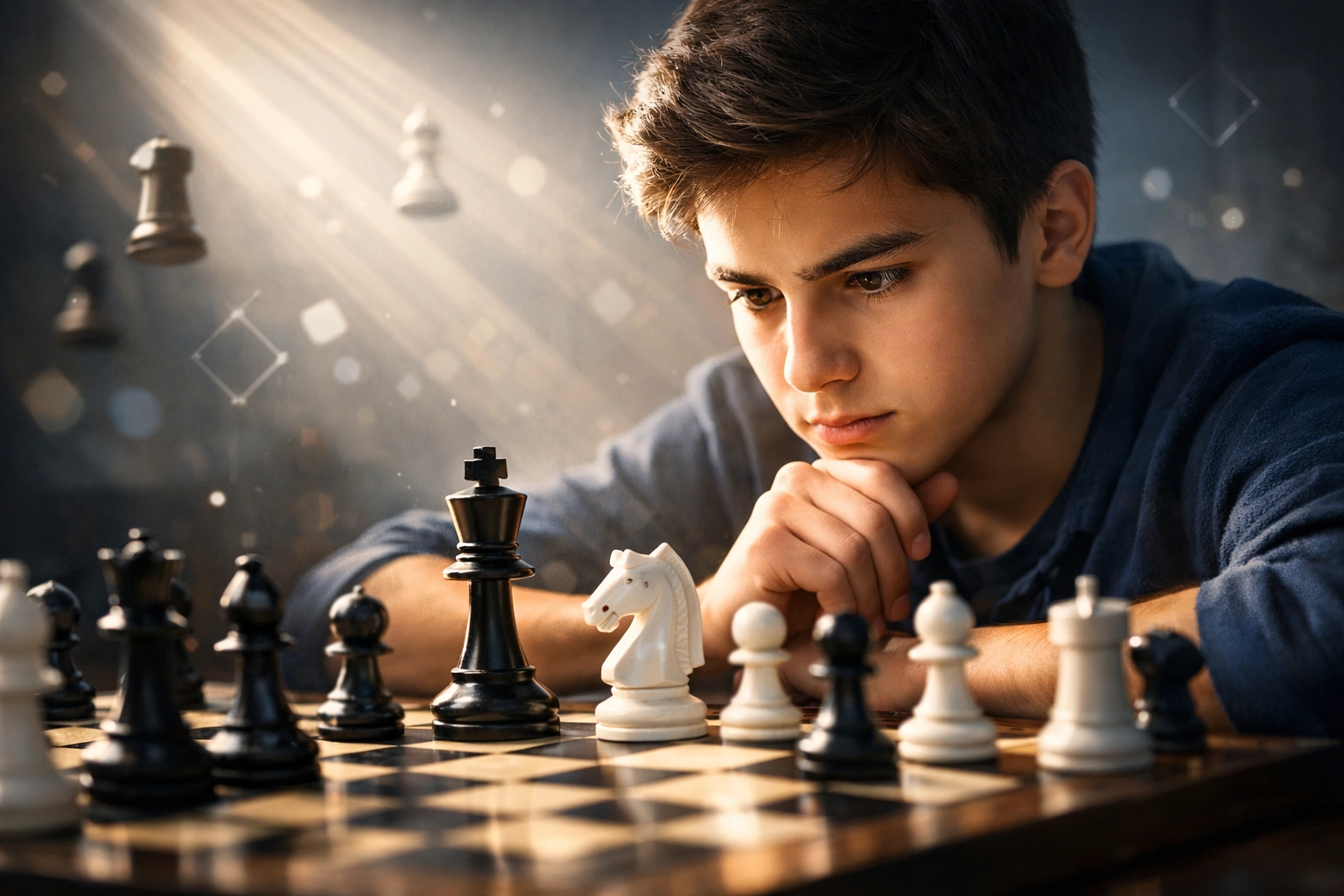
In today’s world, our attention spans are under attack. Between Instagram Reels, WhatsApp notifications, and the constant buzz of the internet, the ability to sit still and focus on one thing for an hour seems like a superpower.
Chess is the ultimate antidote to this "distraction culture."
Building an attention span in a distracted world
A standard game of chess can last anywhere from 10 minutes to several hours. During this time, a momentary lapse in concentration can lead to a blunder that costs you the game. The board demands your absolute, undivided attention.
When a child learns chess, they learn to sit quietly and focus. At first, they might fidget or look around. But as they get drawn into the battle, something magical happens. They enter a state of "flow." The outside world disappears, and their entire mind is locked onto the 64 squares.
This "deep work" capability is rare and valuable. A student who can focus on a chess board for 45 minutes without checking their phone is also a student who can study for a history exam or solve a complex coding problem without getting distracted. It trains the brain to reject dopamine hits from distractions and find satisfaction in sustained effort.
Structured thinking and logical reasoning
Focus is not just about staring at something; it is about thinking clearly. Chess teaches "structured thinking."
Beginners often play "hope chess" they make a move and hope the opponent doesn't see the threat. Advanced players play "logic chess." They have a structured thought process:
Checks: Can I check the King?
Captures: Can I take a piece for free?
Threats: Can I create a major problem for my opponent?
This disciplined approach to thinking clears the mental fog. Instead of being overwhelmed by the complexity of the position, the player breaks it down into manageable parts. This skill is directly transferable to exams and professional tasks. When faced with a difficult essay question or a crisis at work, the chess player doesn't panic. They simply apply the same structured analysis: "What is the priority here? What are my options? What is the logical next step?"
Performing under pressure
One of the most unique aspects of chess is the "clock." In tournament play, you don't have all day to think. You have to make complex decisions while the seconds tick down.
This simulates high-pressure environments perfectly. You learn to manage your time and your nerves. You learn that "perfect is the enemy of good." Sometimes, you cannot calculate every variation; you have to trust your intuition and make a decision because time is running out.
This ability to focus and perform when the stakes are high is crucial for competitive exams like JEE or UPSC, where time management is often just as important as knowledge. Chess teaches you to keep your cool, ignore the ticking clock, and focus on the move at hand.
Beyond the board: building emotional resilience and patience
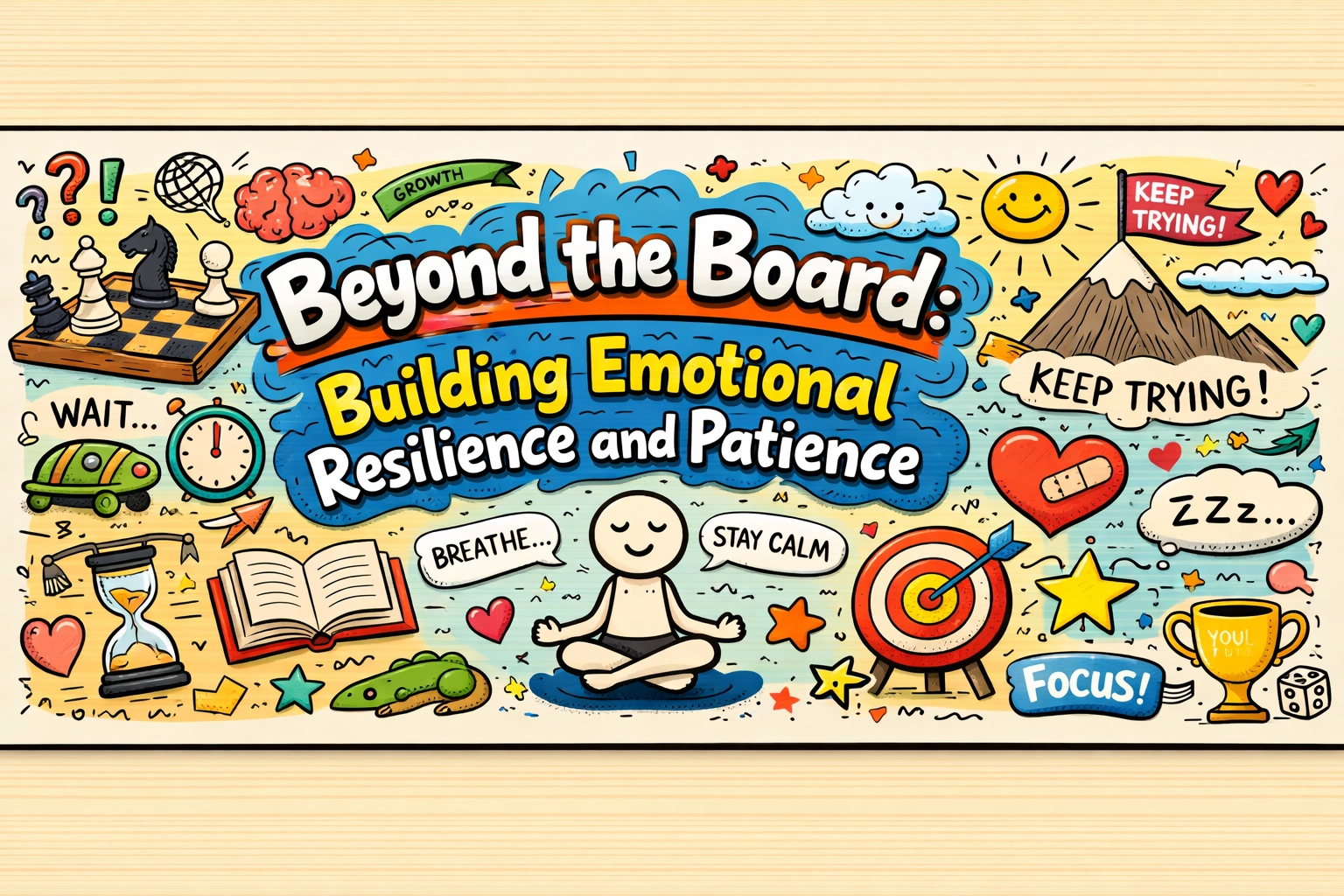
People often think chess is a game of logic, but it is actually a game of emotion. The pieces don't move themselves; human beings move them. And human beings get angry, scared, overconfident, and frustrated.
Mastering chess requires mastering your own emotions. This "emotional intelligence" is perhaps the most underrated benefit of the game.
Learning to handle failure gracefully
In chess, there is no luck. You cannot blame the referee, the weather, or a bad dice roll. If you lose, it is because you made a mistake and your opponent played better.
This level of accountability can be brutal, but it is also liberating. It forces players to confront their own ego. When a child loses a game, they might cry or get angry. But a good coach (and the game itself) teaches them to shake hands, say "Good game," and then most importantly analyse why they lost.
This shift from "I am a loser" to "I made a mistake in calculation" is critical for building resilience. It teaches a "growth mindset." Failure is not a reflection of your worth; it is simply data that tells you what to improve. In life, setbacks are inevitable. The resilience learned on the chessboard helps us bounce back from a failed exam or a rejected job application with the same analytical calm.
The pause before the move: impulse control
We live in an age of instant gratification. We want food delivered in 10 minutes and videos that load in 2 seconds. Chess teaches the opposite: patience.
A classic beginner mistake is seeing a "good looking" move and playing it instantly, only to realize a second later that it was a blunder. This is called "impulsivity."
Chess forces you to "sit on your hands." Even when you see a great move, the rule is: "If you see a good move, look for a better one." This habit of pausing, double-checking, and resisting the urge to act immediately is powerful.
In real life, this translates to better impulse control. It stops you from saying something hurtful in an argument, or from making a rash financial decision. That split-second "pause" that chess drills into your brain can save you from many regrets.
Stress management and staying calm
Have you ever seen a Grandmaster losing a game? They might be screaming inside, but on the outside, they are usually calm and composed. This "poker face" is not just for show; it is a mechanism to keep the brain functioning.
When we panic, our brain releases cortisol (stress hormone), which actually shuts down the logical prefrontal cortex. You literally cannot think straight when you are panicking. Chess players learn to recognize this physiological response. They learn to take a deep breath, sip some water, and force their brain back into "logic mode."
By repeatedly exposing yourself to stressful situations on the board (like defending a difficult position), you desensitize your brain to stress. You learn that panic doesn't help. This calmness under fire is a leadership quality that is highly valued in the corporate world.
The social side of the silent game
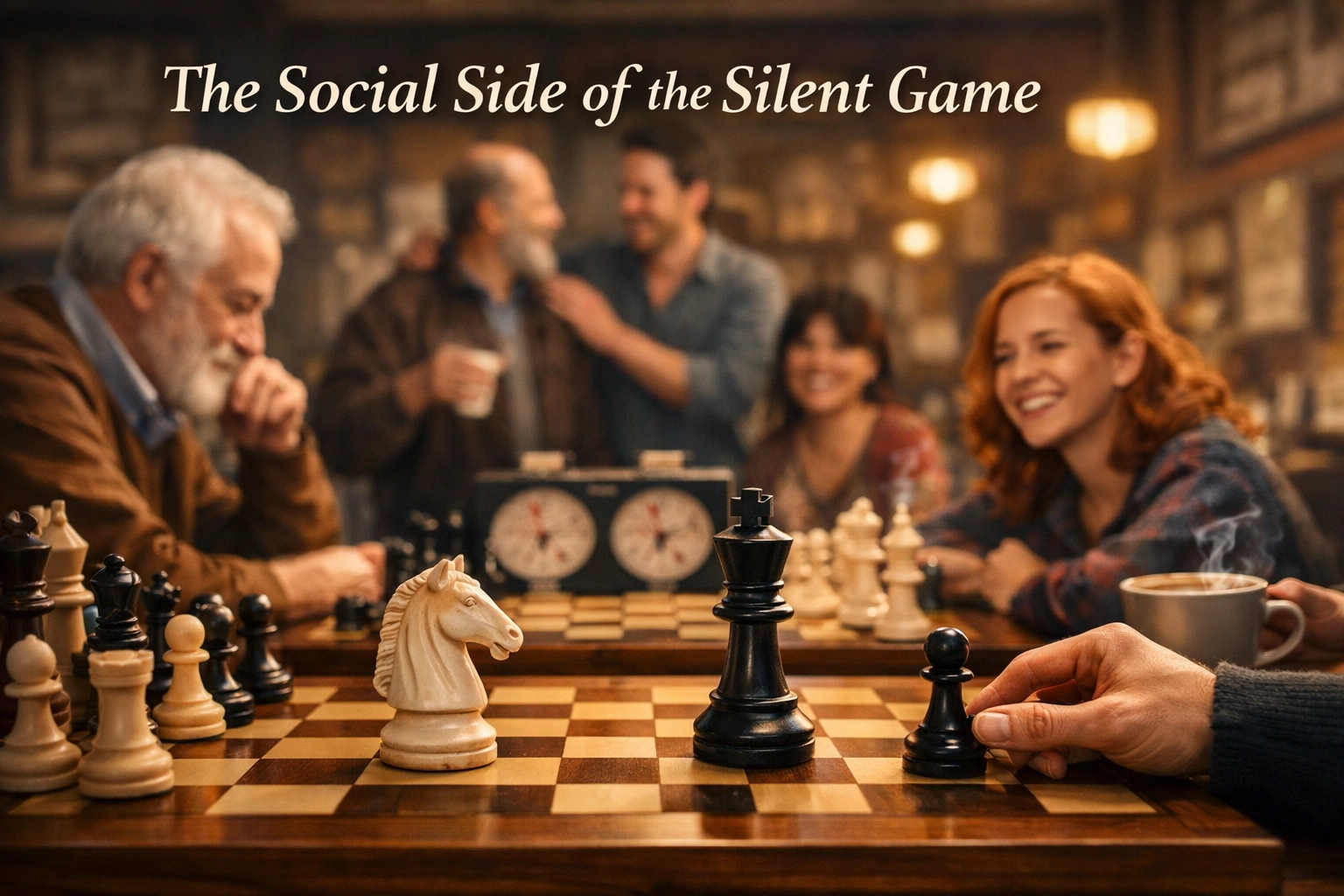
Chess is often seen as an isolated activity, but it is actually a profound social bridge. It is a language that transcends borders, age, and culture. You can play a game of chess with someone who doesn't speak a word of your language, and you will understand each other perfectly through the moves on the board.
Breaking ice without words
For introverts or people who find small talk difficult, chess is a godsend. It allows for social interaction without the pressure of constant conversation.
In a chess club or a tournament, you sit across from someone, shake hands, and engage in a deep mental dialogue. You learn a lot about a person by how they play. Are they aggressive? Are they cautious? Do they take risks?
Many enduring friendships at Enthuziastic start with a simple game. The shared passion creates an instant bond. Post-game analysis where players discuss "what if" scenarios is a fantastic way to bond. You stop being opponents and become collaborators, trying to find the "truth" of the position together.
Learning sportsmanship and respect
Chess is rooted in etiquette. You shake hands before the game. You shake hands after the game. You do not distract your opponent. You accept defeat gracefully.
These rituals instil a deep sense of respect. You learn that your opponent is not your enemy; they are your partner in creating a game. Without them, there is no game.
This sportsmanship is vital for children. They learn that winning isn't everything and that cheating (even if you can get away with it) hollows out the victory. They learn to respect a stronger player and help a weaker one. In a world that can often be cut-throat, the civilized nature of chess is a refreshing lesson in dignity.
Building communities and lasting friendships
Across India, chess communities are growing. From local clubs in Chennai to online communities hosted by Enthuziastic, chess brings people together.
These communities are incredibly diverse. A 10-year-old schoolgirl might be playing against a 60-year-old retired army officer. A CEO might be playing against a college student. On the chessboard, social status, age, and gender disappear. The only thing that matters is the quality of your ideas.
Being part of such a community provides a sense of belonging. It allows players to share their victories, vent about their losses, and learn from each other. It combats loneliness and builds a network of support that goes beyond the game.
Chess in education and child development
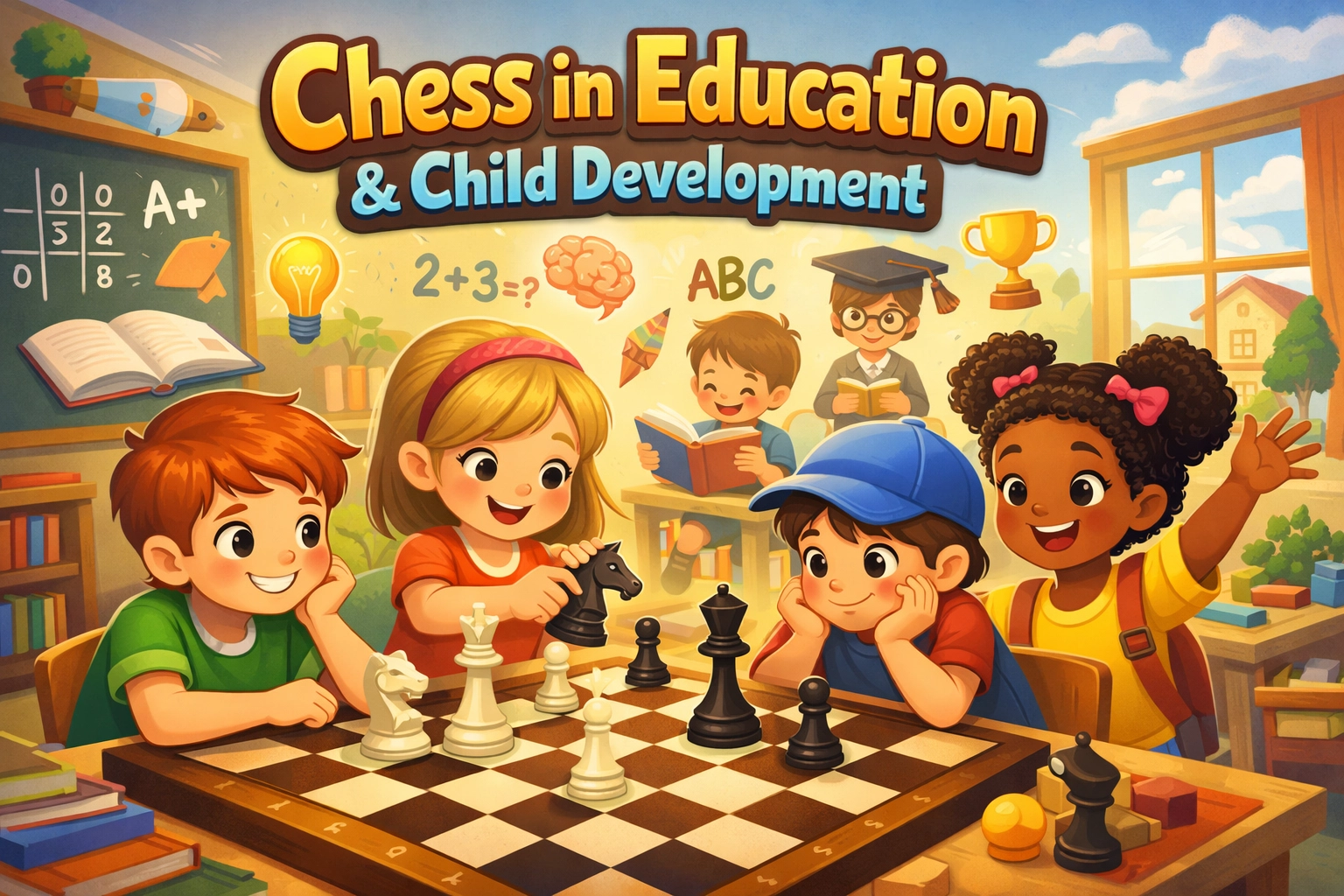
Recognizing these immense benefits, many countries (and states in India like Tamil Nadu) are integrating chess into the school curriculum. It is not just an "extra-curricular" activity; it is an educational tool.
Boosting academic performance
There is a strong correlation between chess and academic success, particularly in mathematics and reading.
Math: Chess involves geometry (diagonals, files), calculation, and logic. It makes abstract concepts concrete.
Reading: Believe it or not, chess helps with reading comprehension. Both activities involve decoding symbols and recognizing patterns.
A child who plays chess develops the discipline to sit and study. They develop the confidence that "I can solve hard problems." When they encounter a difficult math equation, they don't give up; they attack it like a difficult chess position.
Teaching consequences of actions
"Think before you move." This is the mantra of chess.
In video games, if you die, you often just respawn. In chess, if you blunder your Queen, she is gone. The consequences are permanent and immediate.
This teaches children a profound lesson about cause and effect. They realize that every action has a reaction. If they don't do their homework (move), they will fail the test (consequence). This sense of responsibility is one of the most mature traits a child can develop.
A balanced approach to competition
Modern education can sometimes be overly competitive in an unhealthy way, or conversely, too focused on "everyone gets a trophy." Chess strikes a perfect balance.
It is competitive there is a winner and a loser. But it is also fair. It teaches healthy competition. It teaches kids to strive for excellence, to prepare (study openings), and to execute. But it also teaches them that losing is part of the process. You cannot become a Master without losing thousands of games. This resilience is the key to success in any competitive field, be it sports, academics, or business.
Conclusion: your move towards a better brain
Chess is far more than a board game. It is a supercharger for the brain, a teacher of focus, and a builder of character. It demands that we be present, that we think critically, and that we respect the person sitting across from us.
In a world that is becoming increasingly fragmented and distracted, chess offers a sanctuary of logic and connection. It protects our brains as we age, teaches our children the value of patience, and gives us all a way to connect with others without saying a word.
At Enthuziastic, we invite you to rediscover this timeless game. Whether you are looking to boost your own mental battery or give your child a tool for life, the 64 squares are waiting for you. You don't have to be a genius to play chess; you just have to be willing to learn. And in that learning, you might just find that you are becoming a sharper, calmer, and more connected version of yourself.
So, are you ready to make your opening move?
Frequently Asked Questions (FAQs)
1. Can playing chess really improve my IQ?
Yes, several studies suggest that playing chess can improve IQ scores, especially in children. Chess challenges the brain to solve complex problems, recognize patterns, and think logically. This constant mental workout stimulates the growth of dendrites (neural connections) in the brain, which can lead to improved overall intelligence and fluid reasoning.
2. Is chess good for reducing stress?
It might seem contradictory because tournament games are tense, but casual chess is a great stress buster. It requires total focus, which forces your brain to disconnect from daily worries and anxieties. This state of "flow" is akin to meditation. Additionally, the satisfaction of solving a tactical puzzle releases dopamine, which improves mood.
3. At what age should a child start learning chess?
Children can start learning the basic movement of pieces as early as 4 or 5 years old. However, most children are ready for more structured learning and strategy around age 6 or 7. Starting young is great for brain development, but it is never too late to start! Adults and seniors can reap the same cognitive benefits.
4. How does chess help with ADHD or attention issues?
Chess provides immediate feedback and a structured environment, which can be very helpful for individuals with ADHD. The game demands sustained attention, but because it is interactive and engaging (a battle), it is easier to focus on than a passive task like reading. Over time, this practice of "attending" to the board can help strengthen the brain's focus circuits.
5. Do I need to be good at math to play chess?
Not at all! While chess involves logic and calculation, you don't need to know complex mathematics. In fact, playing chess often helps improve math skills because it strengthens the same logical reasoning pathways in the brain. It is more about pattern recognition and spatial awareness than arithmetic.
6. Can chess prevent Alzheimer's and dementia?
While it is not a "cure," research indicates that mentally stimulating activities like chess can help build a "cognitive reserve." This means the brain becomes more resilient to damage. Seniors who play chess regularly are statistically less likely to show signs of dementia compared to those who do not engage in challenging mental activities.
7. How does chess improve social skills if it's a silent game?
Chess is a social activity because it brings people together. It teaches non-verbal communication (reading body language), sportsmanship (respecting the opponent), and empathy (trying to understand the opponent's plan). Chess clubs and communities provide a safe space for social interaction based on a shared passion.
8. Is online chess as beneficial as playing over the board?
Both are excellent! Online chess is convenient and allows you to play anytime. However, playing "over the board" (face-to-face) has added social benefits and helps with 3D visualization. We recommend a mix of both. The cognitive workout of calculating moves remains the same regardless of the medium.

Comments